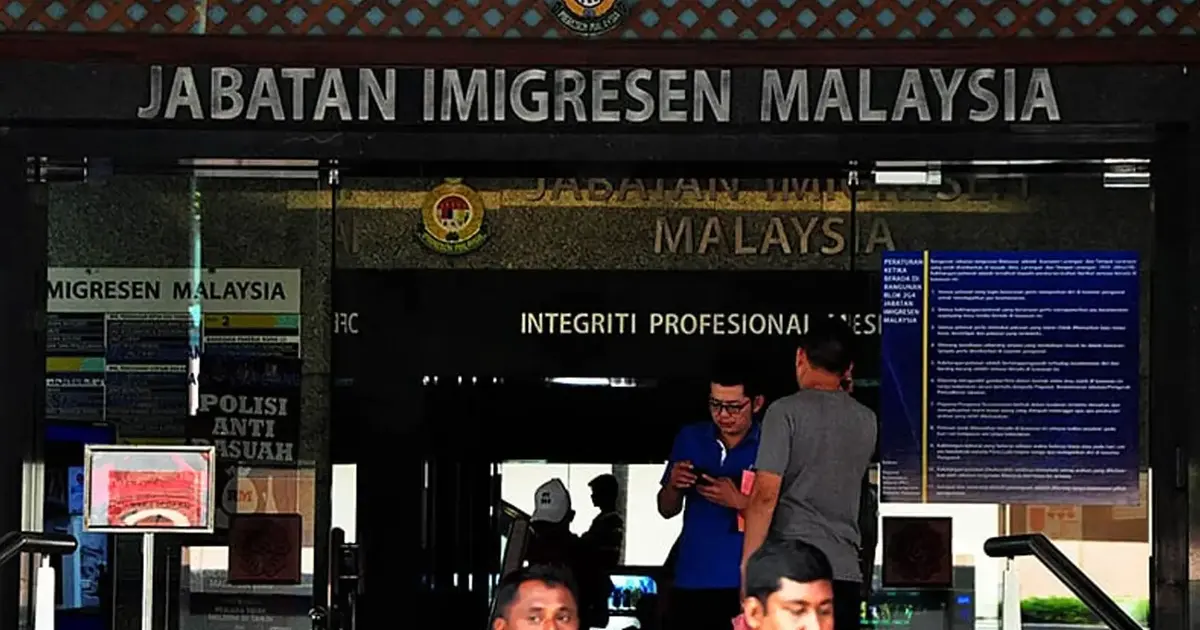
Malaysia's director-general of immigration has disclosed that the officials implicated in the breach of the MyIMMs system were identified immediately upon discovery of the security breach, contradicting earlier suggestions that the investigation took considerable time to identify the perpetrators. The assertion comes as eleven immigration officers face arrest on charges related to their alleged involvement in a sophisticated internal conspiracy to circumvent digital safeguards protecting the nation's immigration database.
The MyIMMs platform serves as the backbone of Malaysia's immigration administration, managing everything from visa applications to travel document issuance and border control operations. The system's integrity is fundamental to national security, making any unauthorised access a matter of serious concern for federal authorities. The alleged breach represents not merely a technical failure but an institutional vulnerability stemming from trusted personnel within the immigration service itself, underscoring the challenges faced by government agencies in preventing insider threats.
According to official statements, the arrested officers are suspected of working together to manipulate the MyIMMs system to enable the unauthorised lodgement and approval of PLKS applications. PLKS, referring to Pas Lawatan Keluarga Sementara or temporary family visit passes, represents one of the most common immigration documents processed by the department. The scheme allegedly allowed applicants to bypass standard verification procedures and security checks that normally protect Malaysia's borders from fraudulent entry.
The involvement of immigration staff in facilitating such applications raises uncomfortable questions about the vulnerability of government systems to corruption from within. Rather than technical hackers operating from outside government firewalls, the alleged conspiracy involved personnel with legitimate system access and institutional knowledge. This distinction matters considerably for understanding how the breach occurred and what preventive measures might prove effective. The officers arrested possessed the technical credentials and administrative authority necessary to modify records and approvals without triggering standard audit alerts that external intruders might have encountered.
The detained officers included individuals from various operational levels within the immigration service, suggesting the conspiracy may have involved coordinated action across different departments or divisions. Such organisational spread indicates the scheme was neither spontaneous nor the work of a lone actor, but rather a deliberate network capable of sustaining fraudulent activity across multiple applications and maintaining operational secrecy for an extended period. The apparent sophistication of the arrangement points toward potential financial motivations, with speculation that syndicate operators or immigration agents may have engaged the officers to process applications for clients willing to pay for expedited or unauthorised approvals.
For Malaysian citizens and international travellers, the breach carries significant implications regarding the reliability of immigration documents and the trustworthiness of entry approvals issued through official channels. Malaysia's standing as a regional business and tourism hub depends substantially on the security and efficiency of its immigration infrastructure. Revelations of systematic internal manipulation undermine confidence in the system's integrity and may prompt regional partners and international agencies to scrutinise Malaysian immigration processes more closely.
The early identification of the suspects, as the director-general has emphasised, suggests the immigration department possessed either comprehensive internal monitoring systems or sufficient documentary evidence to quickly pinpoint personnel involved in the breach. This operational transparency within the investigative phase demonstrates institutional capacity to detect anomalies and trace them to their source. However, questions remain regarding why such access was granted to these officers in the first place and what safeguards failed to prevent the conspiracy from operating undetected for what appears to have been a substantial period.
The incident reflects broader vulnerabilities affecting government digital systems across Southeast Asia. Malaysia is not unique in facing insider threats to critical infrastructure, but the public nature of this breach serves as a cautionary example for other nations managing sensitive digital platforms. Effective protection requires not only robust technological architecture but also comprehensive personnel vetting, access controls based on operational necessity, and real-time monitoring systems capable of detecting suspicious activity patterns.
Investigations into the MyIMMs breach are ongoing, with authorities examining the scale of fraudulent applications processed through the compromised system. Determining how many PLKS documents were issued illegally and to whom remains a priority for immigration officials seeking to assess the security risk posed by the conspiracy. Cross-referencing approved applications against verification records may reveal discrepancies that help authorities identify beneficiaries of the scheme, some of whom may have subsequently entered Malaysia under false pretences.
The arrests represent a significant operation for the immigration department, signalling institutional willingness to pursue wrongdoing among its own personnel rather than attempting to shield officers from scrutiny. Nonetheless, the incident fundamentally challenges assumptions about the reliability of government systems and raises uncomfortable questions about what other internal conspiracies might remain undetected. Moving forward, the immigration service faces pressure to implement stronger safeguards, including enhanced monitoring of system access logs and more rigorous verification of unusual application patterns that might indicate fraudulent activity.
The broader implications extend beyond immigration administration to encompass public confidence in government institutions more generally. When officers entrusted with maintaining border security and document integrity instead exploit their positions for illicit gain, it reinforces public scepticism about institutional accountability. How authorities prosecute the cases and whether they demonstrate consequences proportionate to the breach's seriousness will significantly influence public perception of whether the system can meaningfully respond to internal malfeasance.

