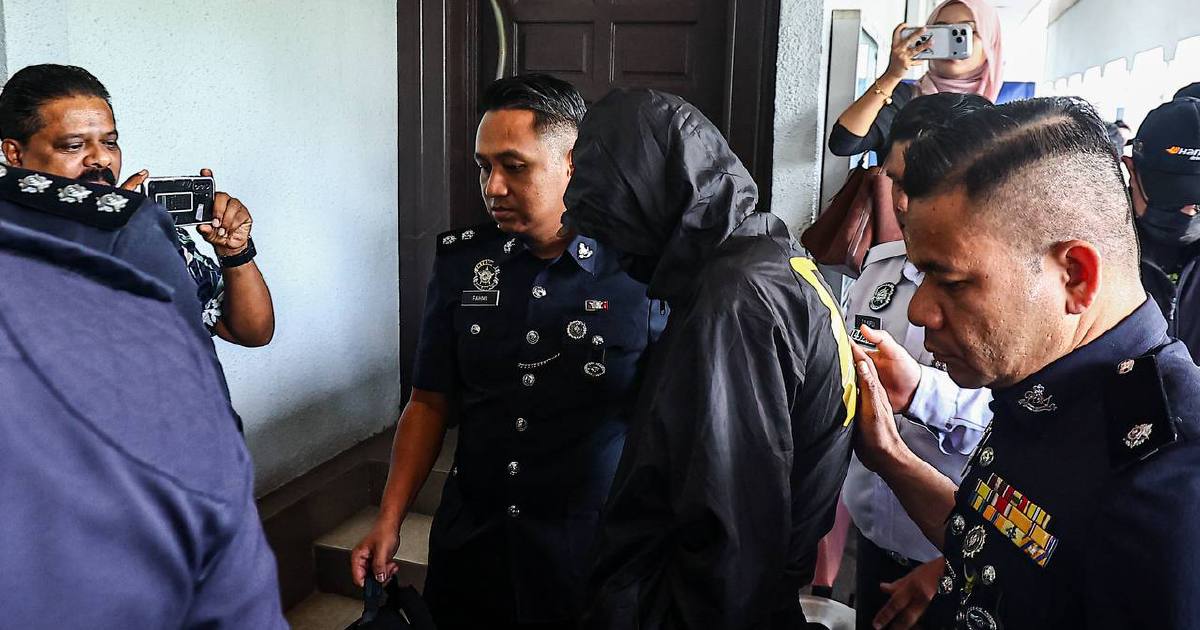
A driver employed by Malaysia's Immigration Department made his first court appearance today in connection with a deadly traffic accident that claimed lives along Jalan Sultan Ismail in Kuala Lumpur yesterday. The appearance marked a significant step in the investigation into the crash, which has drawn public attention to safety standards affecting heavy-vehicle operations in the capital's congested commercial corridors. The accused arrived at the magistrates' court under substantial police escort, reflecting the high-profile nature of the case and the intensity of public concern surrounding fatal road accidents involving government vehicles.
Jalan Sultan Ismail, a major arterial road in central Kuala Lumpur, has long been a critical commercial and transportation hub connecting several key districts. The road accommodates significant volumes of private and commercial traffic daily, serving businesses, shops, and residential areas throughout the city centre. Given the concentration of pedestrians and other road users in this area, accidents involving large vehicles such as lorries carry heightened risks of multiple casualties and extensive collateral damage. The circumstances of yesterday's collision have prompted renewed scrutiny of how government agencies manage their fleet operations and driver conduct protocols in urban environments.
The involvement of an Immigration Department vehicle in this incident adds a governmental dimension to the proceedings, raising questions about institutional accountability and oversight mechanisms within public sector transport operations. Malaysia's Immigration Department, responsible for managing border control and official travel documentation, operates a fleet of vehicles for operational purposes. The crash underscores the reality that government agencies are not insulated from the same traffic safety challenges affecting private motorists, and their involvement in accidents carries particular reputational and procedural implications. Public servants operating government vehicles face heightened scrutiny regarding training standards, vehicle maintenance schedules, and adherence to traffic regulations.
Police presence at the court appearance reflected standard procedures for managing high-profile traffic cases, particularly those resulting in fatalities. The level of security deployment indicates the seriousness with which authorities are treating the investigation. Malaysian courts typically handle fatal traffic accidents through the magistrates' court system initially, with charges potentially including dangerous driving causing death or related offences under the Road Transport Act. The preliminary court hearing today would have involved confirmation of the accused's identity, presentation of charges, and setting of bail conditions or remand decisions pending further investigation.
Fatal road accidents in Kuala Lumpur remain a persistent public safety concern, with congested urban traffic conditions creating numerous hazard scenarios. Heavy vehicles operating in dense urban environments face particular challenges regarding manoeuvrability, braking distances, and blind-spot visibility. Driver fatigue, mechanical failures, and momentary lapses in concentration can translate into catastrophic consequences when large lorries are involved. The Immigration Department incident therefore carries significance beyond the immediate case, touching on broader questions about how Malaysia manages road safety for heavy commercial and government vehicles navigating metropolitan areas.
The investigation phase following yesterday's crash would have involved standard forensic procedures, witness statements, vehicle inspection, and reconstruction of the accident sequence. Traffic investigators examine factors including vehicle speeds, road conditions, visibility, maintenance records, and driver credentials. For government vehicles, additional scrutiny may extend to shift patterns, driver training documentation, and whether the vehicle received mandated safety inspections. The evidence gathered during investigation typically forms the basis for determining specific charges and their severity.
Family members of fatalities and affected community members often view court proceedings as a platform for accountability and justice. In Malaysia's legal system, traffic fatalities can result in criminal charges ranging from negligence-related offences to more serious culpability determinations depending on circumstances. Sentencing outcomes influence both victim compensation and broader public perception regarding enforcement of road safety standards. The visibility of government employees facing such charges sends implicit messages about institutional expectations regarding professional conduct and compliance with traffic laws.
The magistrates' court system in Kuala Lumpur handles considerable caseloads involving traffic accidents, with varying degrees of injury and damage. These courts serve crucial functions in the justice system by determining preliminary matters and, in less complex cases, delivering final judgments. Today's appearance represented a procedural milestone requiring the accused to respond formally to charges and establishing the framework for subsequent legal proceedings. Bail considerations typically balance public safety concerns against the accused's personal circumstances and flight risk.
Road safety remains an area of persistent policy concern for Malaysian authorities at federal and state levels. While infrastructure improvements and enforcement operations receive regular attention, fatalities continue occurring at troubling frequencies. Government agencies operating vehicle fleets bear particular responsibility for ensuring their employees comply with safety standards, undergo proper driver training, and maintain appropriate conduct. When such incidents occur, they highlight gaps between regulatory frameworks and operational realities, prompting reviews of existing protocols and occasionally leading to procedural changes designed to prevent recurrence.
The broader context of this case extends to Malaysia's ongoing efforts to reduce road deaths through combined approaches including enforcement, education, and infrastructure enhancement. The Road Safety and Traffic Management (RSTM) initiatives and various departmental safety campaigns aim to influence driver behaviour across all vehicle classes. However, translating policy intentions into measurable improvements requires sustained commitment, adequate resourcing, and accountability mechanisms that apply equally to government employees and private motorists. Court proceedings in cases like the Jalan Sultan Ismail collision serve as public reminders that traffic laws apply universally regardless of employment status.

