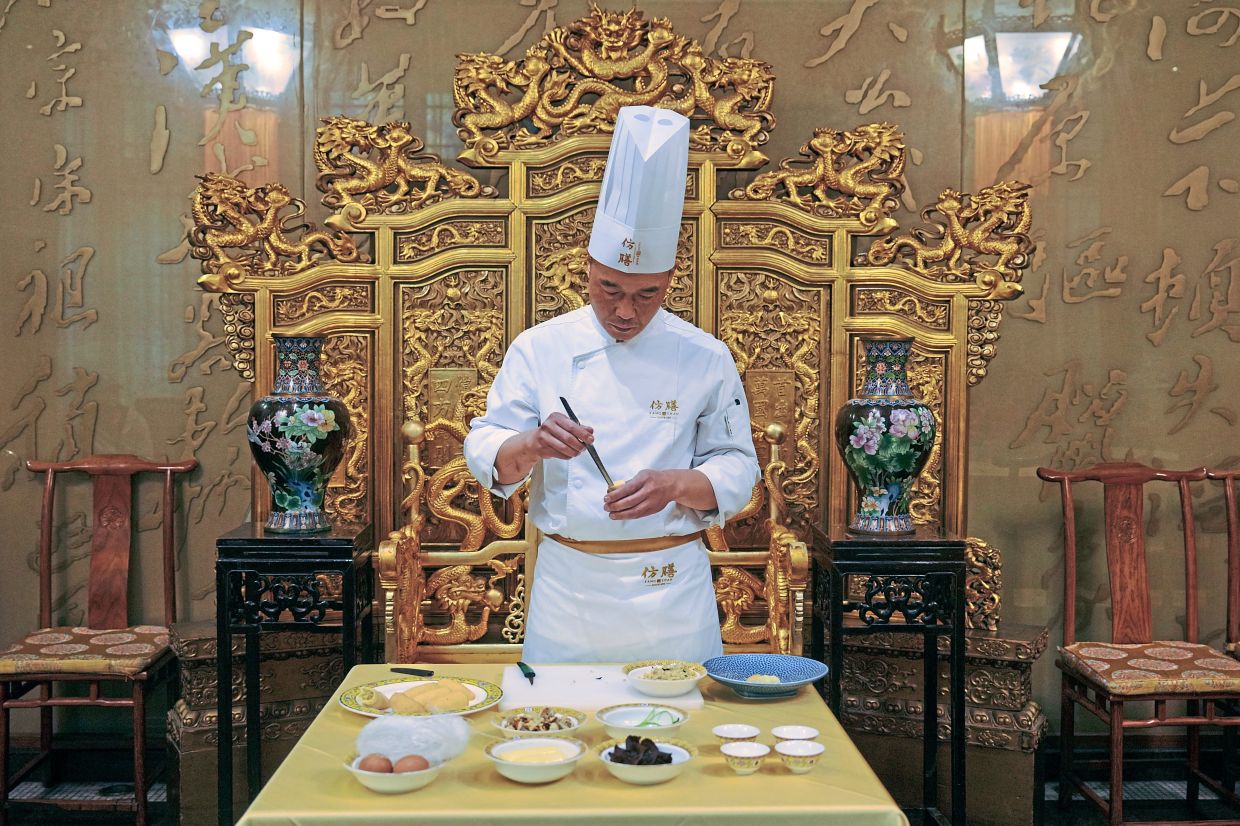
Fangshan Restaurant in Beijing operates as a living museum of imperial Chinese cooking, maintaining dishes and preparation methods that originated in the courts of emperors. The establishment carries forward a tradition that began in 1925 when former Qing Dynasty chefs opened the restaurant in Beihai Park, a classical garden where multiple dynasties' rulers once conducted government business and performed sacred ceremonies. The restaurant's very name signals its purpose: Fangshan means "imitating the imperial cuisine," a deliberate homage to the elaborate meal traditions that defined the highest circles of imperial society.
The lore surrounding imperial dishes reveals how deeply cooking was woven into court life. According to Zhou Tong, a pastry chef at Fangshan, Empress Dowager Cixi once dreamed of a particular pastry and awoke to find her kitchen staff had prepared it for breakfast—a feat that earned her chef a silver ingot and immortalised the treat as "dream pastry." Such anecdotes, now shared with diners, transform food from mere sustenance into narrative vehicles carrying historical weight. These stories anchor contemporary restaurant experiences to a vanished world, allowing customers to participate in a tradition that connects them to imperial China's cultural grandeur.
Imperial cuisine encompassed both the daily meals emperors consumed and the elaborate ceremonial feasts held throughout the year. Each type of dining carried distinct protocols and symbolic meanings. At Qing Dynasty banquets, milk tea rituals opened the meal, establishing a formal atmosphere before the emperor distributed wine and food to princes and officials. Recipients were obligated to perform respectful gestures and acknowledge the honour before partaking—a structure that embedded hierarchy and deference into every course. Beyond festive occasions, sacrificial rituals formed a separate culinary system with their own ingredients and preparation rules, blending religious observance with social performance.
Sacrificial ceremonies introduced ingredients and cooking methods that defied conventional culinary logic. At the Palace of Earthly Tranquility, one of the most significant Qing rituals involved serving fatty pork boiled without salt, a procedure that deliberately eschewed flavouring. After ceremonial completion, this unseasoned meat was distributed among guests as a mark of distinction. This practice resonated with deeper Chinese philosophical traditions: the "Book of Rites," a classical text on ceremonies, describes an ancient meat broth called "grand stew" also served without seasoning. According to scholars, the absence of flavouring carried symbolic weight, evoking simpler, earlier cooking methods and expressing reverence for ancestral traditions. Unseasoned food became a language through which the court expressed its connection to cultural origins.
Pastries occupied a central place in imperial dining, so significant that the court maintained a dedicated institution for their manufacture. Today at Fangshan, Zhou Tong produces delicacies like Cixi's dream pastry and steamed corn buns using techniques inherited through mentorship chains extending back generations. The pea flour cake and red bean roll rank among the restaurant's bestsellers, with orders exceeding 200 cakes daily during peak seasons. These sweets represent not merely recipes but crystallised knowledge transmitted person-to-person, preserving tactile understanding that written instructions cannot fully capture.
The distinction between imperial pastry-making and modern industrial baking hinges on handcraft methodology. Zhou emphasises that machines cannot replicate the texture and mouthfeel that traditional techniques produce. Ingredients like beans are pulverised using sieves, while specific flours are processed in custom copper vessels—tools chosen for properties that mechanical mixers cannot match. The resulting pastries possess a "delicate graininess and sandy mouthfeel" that customers recognise as markers of authenticity. By rejecting convenience, Fangshan's chefs assert that culinary heritage requires accepting temporal constraints and physical labour as essential elements of preservation.
When executive chef Fan Liangliang joined Fangshan as a kitchen apprentice, his formal culinary training became an obstacle rather than an asset. He had to unlearn efficiency-focused techniques taught at culinary school and embrace slower, more labour-intensive processes. One signature imperial method is "Nizihuo," a technique requiring chefs to mince fish, shrimp or chicken into smooth paste and reshape it into decorative forms—frogs, birds, flowers. These presentations transformed food into edible sculpture. For Fan, imperial cuisine represented a comprehensive philosophy: "Every dish had to be innovative, visually beautiful, nutritious and worthy of presentation on the imperial dining table." This standard extended beyond taste into aesthetics, nutrition and social meaning.
Adaptation has proven necessary as circumstances evolved. Rare ingredients like bear paws, once hallmarks of imperial feasts, no longer appear on menus due to conservation and ethical concerns. Fan explains that modern chefs modify dishes while "retaining the spirit" of originals, a balancing act between historical fidelity and contemporary sustainability. This tension reflects broader questions about how culinary traditions survive in changed contexts. Preservation requires more than mechanical reproduction of old recipes; it demands intelligent reinterpretation that honours original intentions while acknowledging new realities.
Chinese culinary traditions have historically carried significance extending far beyond nutrition. The Tang Dynasty poet Du Fu composed verses about cold noodles made with pagoda-tree leaves that transcended mere food description, instead expressing political loyalty and thwarted ambitions to serve the emperor. Such examples demonstrate how cuisine functioned as a medium for expressing identity, allegiance and aesthetic philosophy. According to scholars of Chinese culture, culinary heritage reveals how societies in different eras understood politics, aesthetics and cultural values. Food choices and preparation methods became repositories of meaning, encoding beliefs about proper order and refined living.
At Fangshan, imperial cuisine embodies a fusion of Manchu and Han culinary traditions, a blending that reflects the Qing Dynasty's position as Manchu rulers governing a predominantly Han Chinese population. This cultural synthesis played out on dining tables, where cooking methods and ingredients from both traditions intermingled. The restaurant perpetuates this fusion, maintaining dishes that emerged from that historical encounter. In doing so, Fangshan preserves not merely recipes but evidence of how different communities' food cultures merged and influenced each other under imperial administration.
Modern preservation efforts extend beyond restaurants. The Palace Museum in Beijing maintains Qing Dynasty objects directly connected to court dining, including pastry moulds that reveal what imperial kitchens produced. Several Beijing establishments now serve versions of imperial cuisine, indicating that demand exists for reconnection with this heritage. However, Fangshan remains the most established and comprehensive repository of these traditions. The restaurant's approach—combining living culinary practice with historical storytelling—allows contemporary diners to engage imperial cuisine not as museum piece but as continuing practice. This model suggests that culinary heritage survives best when still actively practised and shared, when communities can taste history and hear its narratives simultaneously.
The persistence of imperial cuisine in contemporary Beijing raises questions relevant throughout Southeast Asia about how food traditions navigate modernisation. As Asian societies industrialise and food production industrialises, maintaining artisanal practices requires conscious choice and often economic sacrifice. Fangshan demonstrates that markets exist for labour-intensive, ingredient-rich cooking that prioritises technique over speed. Yet sustainability of such traditions depends on apprenticeship systems, customer appreciation of historical narratives, and willingness to pay prices reflecting genuine production costs. For Malaysia and the region, where diverse culinary traditions similarly face pressure from industrialisation, Fangshan's model offers lessons about how communities might preserve inherited cooking methods while remaining economically viable.

