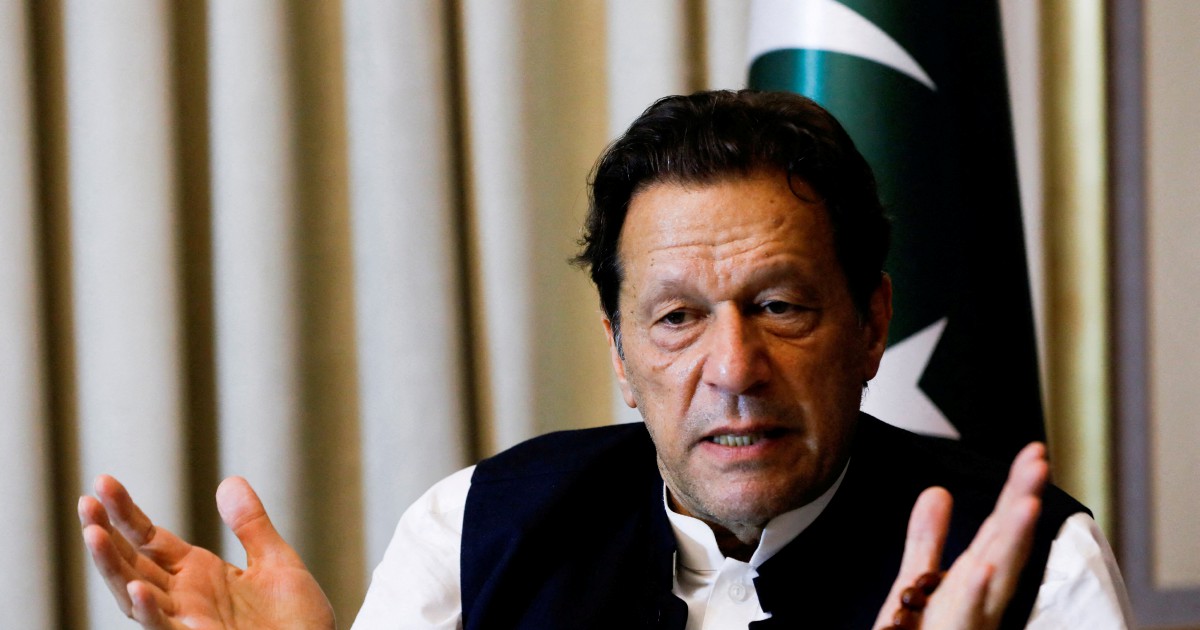
Former Pakistani Prime Minister Imran Khan has been remanded into custody after undergoing a medical assessment at an Islamabad health facility, a senior government official confirmed on Friday. The examination was conducted pursuant to judicial directions, marking another chapter in the high-profile detention of the cricket-turned-politician who has faced mounting legal scrutiny since his ouster from office in April 2022.
Khan's return to incarceration following the medical evaluation reflects the complexity of his legal situation, which has involved multiple charges ranging from corruption allegations to violations of national security protocols. The requirement for medical assessment suggests authorities were concerned about his physical condition during detention, a precaution not uncommon in high-profile cases involving prominent political figures. Such court-ordered health examinations often occur when detainees raise concerns about their welfare or when legal representatives petition for medical oversight.
The developments surrounding Khan's detention have attracted considerable international attention, with observers in Southeast Asia and beyond viewing the situation as a barometer for democratic accountability and judicial independence in Pakistan. Regional analysts have highlighted how political detention practices in major South Asian democracies influence perceptions of institutional stability across South and Southeast Asia, particularly among nations grappling with their own governance challenges.
Khan's political trajectory has been extraordinary by any standard. Rising from celebrity cricket status to founding the Pakistan Tehreek-e-Insaf party, he championed anti-corruption messaging that resonated with millions of Pakistani voters. His tenure as Prime Minister from 2018 to 2022 focused on structural economic reforms and accountability, though critics contend his administration made selective prosecutions against political opponents while insulating allies from investigation.
The timing and nature of charges levelled against Khan since his removal from office have provoked debate about whether the legal action represents legitimate accountability or political persecution. Different political factions in Pakistan present starkly contrasting narratives, with Khan's supporters viewing his prosecution as a conspiracy orchestrated by military-aligned establishment figures, while critics argue he faces legitimate consequences for alleged wrongdoing during and before his premiership.
From a Southeast Asian perspective, the situation underscores enduring tensions between civilian governance and institutional power structures that characterise democracies in the broader Asian region. Malaysia, Indonesia, and Thailand have experienced similar cycles of political transition, military intervention, and contested accountability mechanisms. The trajectory of Khan's case may offer lessons relevant to how emerging democracies manage transitions of power and ensure both institutional legitimacy and public confidence in judicial processes.
The medical examination protocol itself carries symbolic weight in Khan's continued detention narrative. While ostensibly a humanitarian measure ensuring prisoner welfare standards, it also serves as procedural documentation that authorities are maintaining lawful custody practices. For Khan's legal team, such examinations provide opportunities to record any allegations of mistreatment, while for prosecutors, they demonstrate adherence to international detention standards.
Pakistan's judicial system faces considerable pressure to demonstrate independence amid perceptions that courts respond to external institutional influences rather than legal merits alone. Khan's high-profile detention tests whether judicial processes can deliver credible outcomes that satisfy both rule-of-law advocates and political constituencies viewing the case through partisan lenses. This challenge resonates with governance concerns across Southeast Asia, where questions about judicial autonomy and executive interference periodically surface.
The political implications of Khan's continued detention extend beyond Pakistan's borders. His PTI party remains a significant electoral force, and his supporters have organised periodic protests demanding his release. International observers, including human rights organisations, have scrutinised the detention conditions and legal procedures, raising questions about compliance with international standards for political detainees.
For Malaysia's readers and policymakers, Khan's situation illustrates how political transitions can unravel rapidly when institutional checks fail to contain partisan competition. The contrast between Khan's anti-corruption rhetoric while in power and his subsequent prosecution invites reflection on how Asian democracies can establish credible, non-partisan accountability mechanisms that maintain public legitimacy across changing political administrations.
Khan's legal battles continue through multiple proceedings across different courts, with various charges at different stages of adjudication. His detention status remains subject to judicial decisions, with bail applications and trial progression still unfolding. The outcomes of these cases will shape not only Khan's personal fate but also perceptions of Pakistan's commitment to constitutional governance and judicial independence throughout the region.

