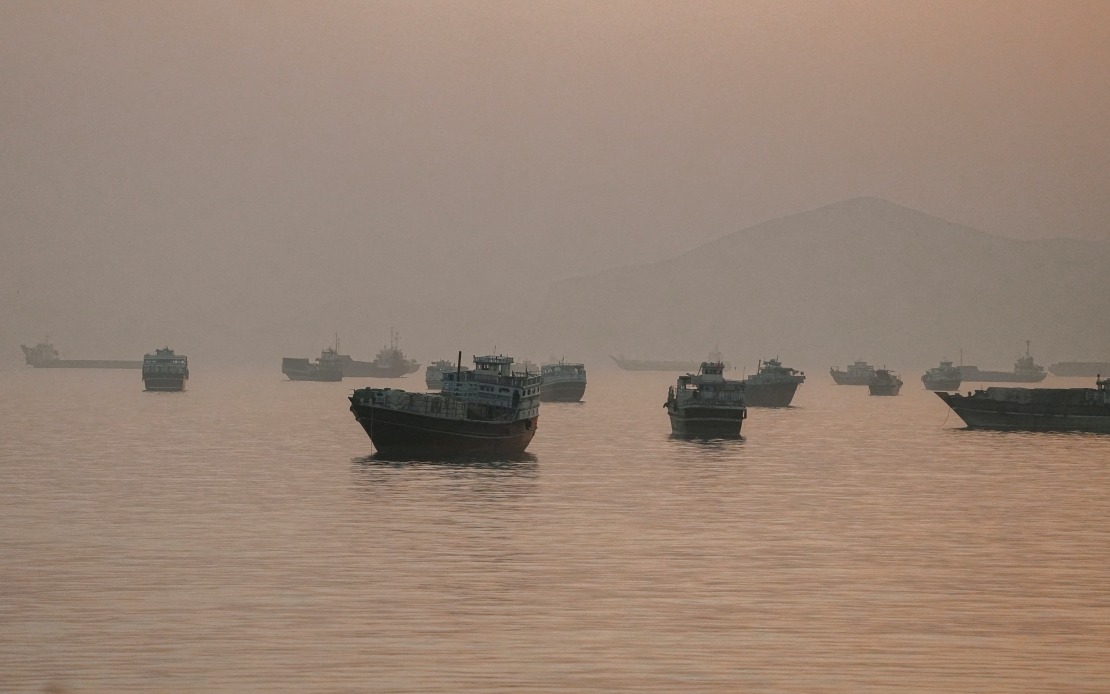
India's maritime regulator has taken decisive action to protect its seafaring workforce by formally restricting their deployment on commercial vessels navigating the strategically vital Strait of Hormuz. The Directorate General of Shipping, India's principal maritime authority, issued the directive on Wednesday evening, effectively instructing ship owners, vessel management companies, and recruitment agencies against assigning Indian nationals to routes transiting this critical waterway. The measure reflects mounting concerns about the deteriorating security environment in one of the world's most important shipping corridors, through which roughly one-third of global maritime oil trade passes.
The prohibition comes in the aftermath of a series of maritime incidents that have underscored the genuine peril facing commercial shipping in the region. Within a three-day span, two Indian seafarers lost their lives in attacks targeting merchant vessels, while several others sustained injuries during similar hostile actions. These fatalities and injuries represent a sharp escalation in the human cost of heightened tensions affecting the Persian Gulf and surrounding waters, prompting New Delhi to prioritise the safety of its maritime workers above commercial shipping obligations.
The security deterioration stems fundamentally from renewed confrontation between the United States and Iran, which has dramatically heightened volatility throughout West Asia. The Strait of Hormuz, a narrow maritime choke point separating Iran from Oman, has become an increasingly dangerous transit zone as regional hostilities intensify. The waterway's strategic importance makes it a focal point for international commerce and geopolitical competition, yet this very significance has rendered it a flashpoint for hostile activities. Merchant vessels, regardless of their flagging or ownership, face elevated risks of attack, sabotage, or becoming collateral damage in broader regional conflicts.
For Malaysia and other Southeast Asian maritime nations, India's decision carries significant implications. The region produces substantial numbers of qualified seafarers who work throughout global shipping routes, including the Strait of Hormuz. Indian mariners constitute a substantial proportion of international maritime labour, and their withdrawal from high-risk routes may force shipping companies to seek alternative crew sources or modify their operational patterns. This could increase operational costs for regional shipping companies and potentially affect the supply chains connecting Southeast Asia to European and Middle Eastern markets.
The Directorate General of Shipping's intervention represents a pragmatic government response to an untenable security situation. Rather than leaving safety decisions to individual shipping companies—which face commercial pressures to maintain schedules and routes—India's maritime authority has established a clear policy protecting its nationals. This approach recognises that individual seafarers possess limited leverage in negotiating their assignment to dangerous zones and that without regulatory intervention, market pressures would likely compel acceptance of hazardous postings.
The timing of this restriction underscores the gravity of current Middle Eastern tensions. Previous escalations involving Iranian naval forces and commercial shipping have prompted temporary security alerts, but sustained maritime attacks creating multiple casualties represent a qualitative shift in threat levels. The incident pattern suggests systematic targeting rather than isolated occurrences, necessitating comprehensive protective measures rather than case-by-case responses.
From a regional perspective, this development highlights vulnerabilities in global maritime supply chains dependent upon transit through contested waters. Southeast Asian economies relying on stable shipping corridors face indirect consequences as nations restrict their seafaring populations from certain routes. Insurance premiums for vessels transiting high-risk zones typically increase, effectively raising transportation costs that eventually impact consumers throughout Asia-Pacific markets. Indian restrictions, followed potentially by similar actions from other maritime nations, could accelerate a gradual rerouting of commerce toward alternative, longer passages.
The restriction also raises questions about the evolving calculus of maritime nations regarding their responsibilities toward seafaring workforces. International maritime law and conventions establish frameworks for crew welfare, yet enforcement often remains inconsistent. India's decisive action sets a precedent that sovereign nations will unilaterally protect their nationals when international mechanisms prove inadequate. Other labour-exporting maritime nations may contemplate similar restrictions, potentially fragmenting global shipping labour markets.
Looking forward, the restriction remains in effect until security conditions demonstrably improve throughout the Strait of Hormuz region. Achievement of such improvement depends substantially on diplomatic resolution of United States-Iran tensions and establishment of agreements protecting neutral merchant vessels. Until such developments materialise, Indian shipowners and international shipping companies operating vessels with Indian crews must either reassign personnel or reroute their vessels around the Cape of Good Hope—a substantially longer and more expensive alternative that will ultimately increase costs for end consumers across Asia.

