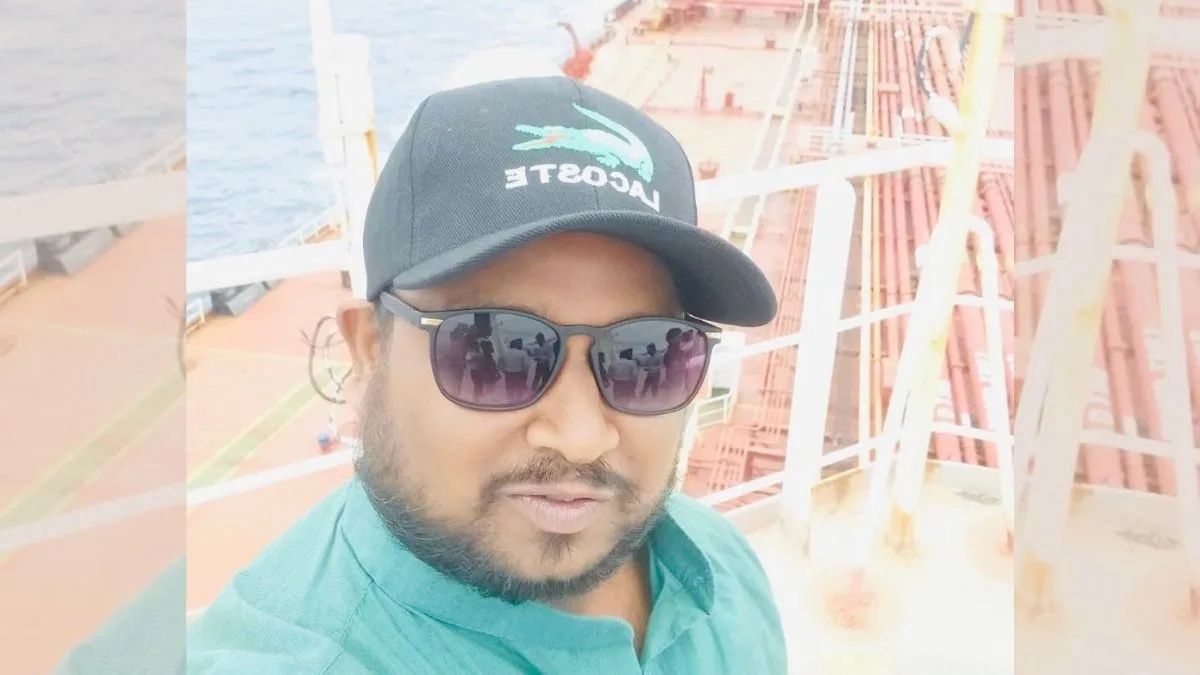
The death of Rakesh Chauhan, a 33-year-old crew member from Uttar Pradesh who was working aboard a merchant vessel in Venezuelan waters, has ignited serious concerns about the safety and protection of Indian seafarers abroad. The case centres on deeply troubling findings from an autopsy conducted in India, which revealed that Chauhan's body lacked virtually every major organ system, rendering any determination of cause of death impossible. His remains were repatriated to his home district of Deoria without documentation from Venezuelan authorities or explanations regarding what transpired during his final hours.
Chauhan embarked on his maritime employment in November 2025, a common career path for thousands of Indian sailors working on international vessels. According to accounts provided by his family, the shipping company initially communicated that he had sustained injuries from a fall while performing his duties on deck. Within hours, they were informed of a dramatic deterioration in his condition, with officials claiming only a five per cent survival probability. By the end of that day, the company notified them that Chauhan had succumbed to his injuries. The family was promised that his remains would arrive in India within a week, yet nearly a month elapsed before they received his body on June 4, having been kept in deep freeze storage since May 7.
When Chauhan's corpse arrived in Deoria, the Indian medical examination revealed surgical incisions consistent with a prior autopsy, though no such report had been transmitted from Venezuela. District authorities ordered a fresh examination, during which pathologists documented extensive stitching—22 stitches extending from the neck down to the pubic area and an additional 21 stitches running from ear to ear across the back of the head. However, the most alarming discovery was the complete absence of internal organs. Absent were the brain, heart, both lungs, liver, kidneys, spleen, pancreas, stomach, intestines, thyroid gland, hyoid bone, larynx, and trachea. The absence of these organs meant that doctors could not establish whether Chauhan had died from trauma, infection, organ failure, or any other cause.
The Federation of Seafarers' Unions of India has characterised the case as emblematic of broader vulnerabilities facing Indian maritime workers. In statements released through social media, the federation emphasised that no ante-mortem injuries—wounds inflicted before death—were recorded during the re-autopsy, contradicting the company's narrative of a fatal fall. The organisation has questioned fundamental aspects of the case's handling: why organs were removed without family consent, why no Venezuelan autopsy report was provided before repatriation, and why documentation discrepancies exist. The federation noted that the receipt accompanying Chauhan's remains bore a name variation, with "Anjana Chauraisya" listed instead of "Ranjana Chaurasiya," the name reportedly authorised to sign on behalf of Chauhan's wife.
Additional irregularities have compounded concerns about whether standard procedures were followed. The federation alleges that the vessel specified in Chauhan's employment contract does not match the vessel on which he was actually deployed, raising questions about whether proper oversight mechanisms were in place. These discrepancies, the organisation suggests, point toward either gross negligence in record-keeping or deliberate obfuscation of facts surrounding Chauhan's employment and death. The cumulative weight of these anomalies—the missing organs, the absent autopsy report, the documentation errors, and the extended delay in repatriation—has led the federation and Chauhan's family to suspect that circumstances surrounding his death have been concealed.
The possibility of organ trafficking, while speculative, has been raised by seafarers' representatives, though no formal allegation has been lodged. This concern cannot be dismissed lightly given that the Indian maritime industry involves thousands of workers deployed aboard vessels operating in international waters with limited oversight. The vulnerability of seafarers—isolated on vessels, far from family support, and subject to company authority—creates conditions where exploitation or abuse could potentially occur without immediate detection. The absence of comprehensive medical records, autopsy documentation, and transparent communication from Venezuelan authorities leaves crucial questions unanswered about what happened to Chauhan during his final days.
For Malaysia and other Southeast Asian nations with significant maritime workforces, this case carries particular resonance. Regional seafarers, like their Indian counterparts, work under contracts that often provide limited transparency and protection when emergencies occur in distant ports. The incident underscores the need for stronger bilateral agreements between maritime nations, clearer protocols for repatriation of deceased workers, and mandatory preservation of medical documentation. Malaysian shipping companies and the broader regional maritime industry should view this case as a cautionary signal regarding the importance of robust oversight mechanisms and transparent procedures.
The Indian government's response remains limited to date. The family and the Federation of Seafarers' Unions have demanded immediate intervention from the Indian Embassy in Venezuela, a comprehensive investigation into the circumstances of Chauhan's death, release of complete autopsy documentation from Venezuelan authorities, and compensation for the bereaved family. These demands reflect not merely a desire for justice in one case but a broader call for institutional mechanisms that protect Indian seafarers from potential exploitation or neglect while working abroad. The maritime profession, despite its economic importance, has historically operated with less scrutiny than other employment sectors.
The repatriation process itself warrants examination. Standard international maritime practices should include comprehensive autopsy reports, official death certificates with clear cause determination, and transparent communication with family members throughout the process. That Chauhan's body arrived in India without documentation from Venezuelan medical authorities represents a significant departure from expected procedures. Whether this reflected inadequate coordination, bureaucratic failures, or deliberate withholding of information remains unclear but demands clarification. The delay of nearly a month before repatriation, combined with deep-freeze storage, also complicates forensic analysis and raises questions about whether proper chain-of-custody protocols were maintained.
Chaurasiya's case has resonated within India's maritime community, where approximately 187,000 Indian seafarers work on international vessels. Many come from economically disadvantaged backgrounds and view maritime employment as a pathway to better livelihoods for their families. The risks inherent in shipboard work—accidents, illness, and occupational hazards—are accepted as part of the profession. However, what workers and their families cannot accept is a system where deaths occur without proper documentation, bodies are returned incomplete or unexplained, and companies offer insufficient accountability. The Federation of Seafarers' Unions has positioned this case as emblematic of broader systemic failures in seafarer protection.
Moving forward, several reforms merit consideration across maritime-dependent nations. Clearer international protocols for autopsy procedures, mandatory involvement of worker representative organisations in cases involving deceased employees, and enhanced consular monitoring of maritime employment contracts could strengthen protections. Insurance and repatriation procedures should be standardised and transparent. For Indian authorities, whether the incidents constitutes foul play or administrative negligence, the response should encompass both immediate investigation and systemic improvements. The case of Rakesh Chauhan ultimately reflects tensions between the globalised nature of maritime commerce and the often localised, vulnerable positions of the workers who enable that commerce.

