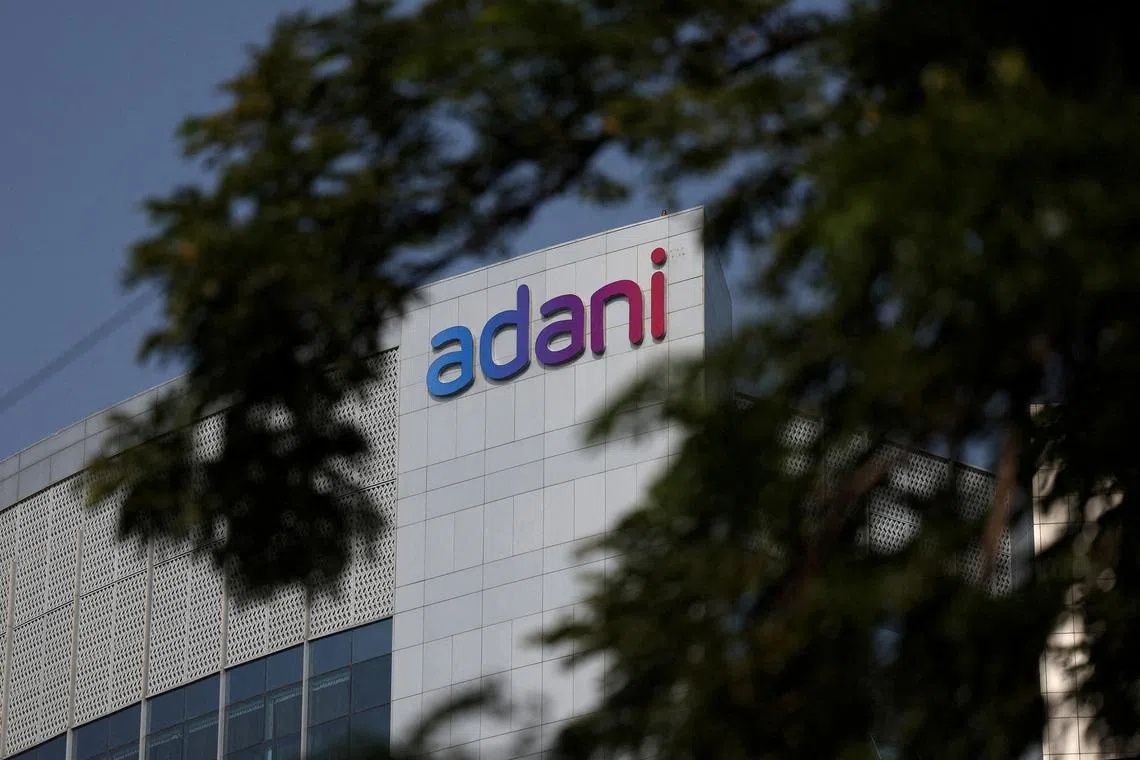
India's customs department has thrown its weight behind the country's health ministry in a regulatory showdown with the Adani Group over the sale of nicotine pouches at international airports, positioning the dispute as a fundamental question about the limits of duty-free retail privileges. The intervention marks a significant escalation in an already contentious battle over whether goods sold in departure lounges can evade India's strict nicotine product regulations, with customs authorities directly challenging the Adani conglomerate's legal interpretation of what constitutes permissible commerce in airports.
The confrontation began when health ministry inspectors visited Adani's Mumbai international airport facility in March and discovered nicotine pouches being sold through duty-free retailers—a practice the officials immediately flagged as unlawful under Indian regulations. Rather than accepting the determination, the Adani Group has contested the matter before Mumbai's High Court, mounting what appears to be a carefully constructed legal defence based on the jurisdictional boundaries of duty-free commerce. The case has now evolved into a more complex regulatory struggle, with the customs department submitting a detailed filing to the bench on June 22 that directly refutes the company's core argument.
At the heart of the disagreement lies a fundamental disagreement about regulatory jurisdiction. The Adani Group has contended that duty-free shops operate in a zone technically outside Indian customs frontiers and therefore beyond the reach of domestic health regulations, relying on an argument that the tax exemptions granted to such retailers create a parallel legal space insulated from standard oversight. In a subsequent filing dated July 13, the company further asserted that customs officials failed to follow proper procedure by demanding the cessation of sales without issuing formal warning notices, potentially providing grounds for dismissing the regulatory challenge on procedural grounds.
The customs department's response has been unambiguous and pointed. In its court submission, officials stated explicitly that "the concept of goods being 'outside customs frontiers' for taxation purposes does not grant immunity from regulatory controls," striking at what appears to be the cornerstone of Adani's legal strategy. This position represents a critical assertion of regulatory authority—that commercial advantages under the tax system cannot be stretched to encompass exemption from public health protections, a principle with potentially broad implications for how India governs its airports and special commercial zones.
Adani's defence rests partly on the assertion that nicotine pouches sold through duty-free channels are intended for consumption outside India. The group has argued that these goods are placed in sealed bags at the point of sale and legally restricted from use while passengers remain within Indian territory, creating a distinction between the point of transaction and the point of consumption. However, customs authorities have characterised this argument as fundamentally flawed, pointing out that once passengers physically possess duty-free merchandise, nothing prevents them from opening and using it immediately—a distinction between legal intention and practical reality that exposes what the regulator sees as a legal fiction designed to circumvent health laws.
Nicotine pouches represent one of the world's most rapidly expanding segments of the tobacco and nicotine products market, gaining traction in numerous countries as consumers seek alternatives to traditional smoking. In India, however, these products remain unapproved and effectively banned from domestic sale. The Zyn brand, manufactured by Philip Morris and widely available in markets like the United States, has experienced explosive growth; the company reported that American sales of Zyn doubled between 2023 and the following year, suggesting the product category's commercial potential. This very appeal likely explains why the Adani Group, which operates a diversified infrastructure portfolio, would target these pouches as a lucrative line for its airport retail ambitions.
The Adani Group's interest in expanding duty-free retail operations reflects its broader infrastructure ambitions in India's aviation sector. The company currently operates eight airports across the country and has announced an ambitious expansion programme valued at approximately US$11 billion, with duty-free retail outlets positioned as a significant component of anticipated revenue growth. This context suggests that the nicotine pouch controversy is not merely an isolated regulatory skirmish but rather a test case that could determine how much commercial flexibility the company can achieve within India's regulatory framework, with potential implications for future retail offerings.
Recent import records underscore the commercial seriousness of Adani's entry into this market segment. Since August of the previous year, company records indicate the importation of both the Zyn brand and White Fox, another Swedish Smokeless Solutions product, with shipments exceeding US$35,000 in value. These imports suggest that Adani had already begun building inventory for distribution through its airport retail network before the health ministry's March inspection, indicating that the legal challenge emerged only after regulatory authorities disrupted what the company clearly viewed as an established business line.
The case carries implications that extend well beyond a single company's commercial interests. The outcome will shape how Indian regulators enforce health and safety standards in special commercial zones like duty-free areas, potentially setting precedent for future conflicts between tax incentives and public health objectives. The dispute also touches on broader questions about India's regulatory architecture at airports—whether they should function as completely separate commercial jurisdictions or remain subject to the same health protections that apply throughout the country. For a region where several Southeast Asian nations also grapple with tobacco and nicotine product regulation, the Mumbai High Court's eventual ruling may offer instructive lessons in balancing commercial interests with public health imperatives.
The legal proceeding is scheduled for its next hearing on July 28, when the court will likely begin examining in greater depth the conflicting interpretations of duty-free shop authority and regulatory reach. The Adani Group's sophisticated legal argument, combined with the customs department's equally clear regulatory position, suggests that this case will generate a substantial written judgment with ramifications for how India manages commerce in its international airport zones. Neither Adani nor Indian government authorities chose to elaborate further when contacted by international media outlets, leaving the final arguments and evidence to unfold during court proceedings.

