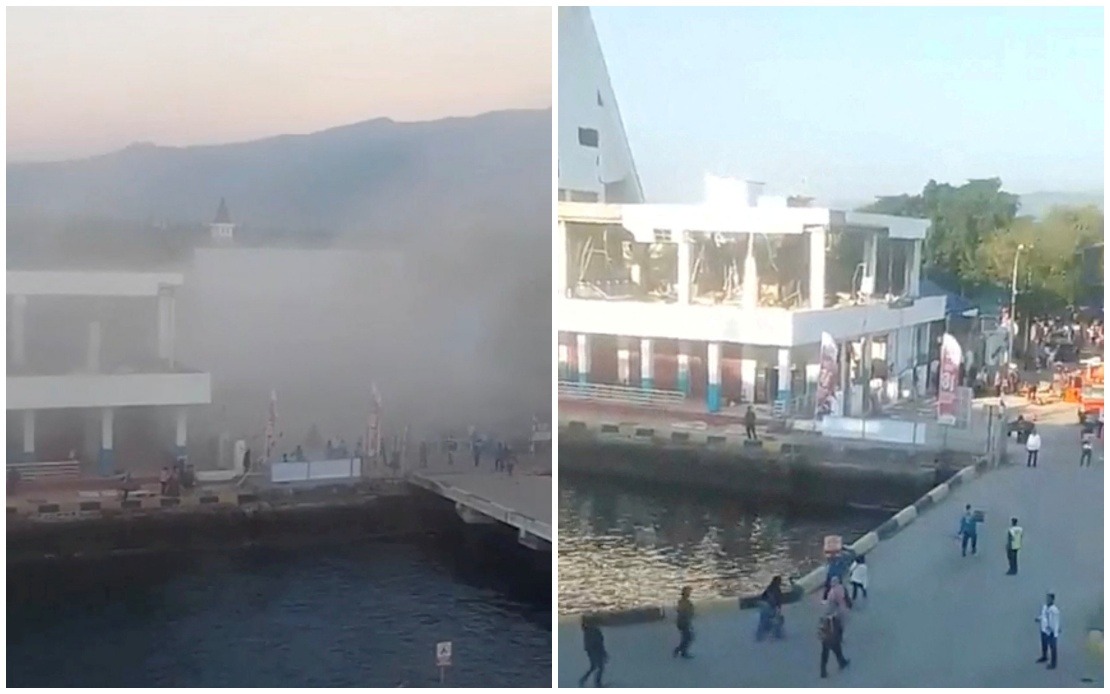
A magnitude 7.7 earthquake that struck off the coast of Flores Island in eastern Indonesia on Saturday morning has claimed at least 20 lives, with rescue officials continuing to search for two additional victims buried under debris. The catastrophic seismic event, centred near Mbay town in Nagekeo Regency, unleashed multiple powerful aftershocks across the densely populated region and triggered an initial tsunami alert that authorities later cancelled after monitoring sea levels throughout the affected coastline.
According to officials at the Maumere Search and Rescue Office, the initial casualty figures include six injured residents receiving treatment at local medical facilities. The precise scope of the destruction remains difficult to establish, as provincial authorities in East Nusa Tenggara continue systematic assessments across affected municipalities. Governor Melki Laka Lena conveyed during a press briefing in Kupang that substantial infrastructure damage has occurred throughout the affected zones, with residential buildings and commercial structures reduced to rubble alongside critical transportation corridors severed by cascading landslides triggered by ground movement.
Visual documentation circulating through social media platforms captured the violent collapse of structures into clouds of dust and debris, while terrified residents fled their homes and sought refuge in open spaces away from buildings. The immediate response involved mass evacuations to secure areas as residents grappled with the psychological trauma of the initial shock and the constant threat of subsequent tremors. The psychological toll on communities, combined with the physical devastation, has created a complex emergency scenario requiring coordination across multiple governmental and humanitarian agencies.
Transportation networks serving the province experienced immediate disruption, with aviation authorities implementing flight cancellations affecting regional and international connections to East Nusa Tenggara province. This transportation paralysis complicated the mobilisation of emergency personnel and medical supplies to affected communities, forcing rescue teams to coordinate logistics through alternative transportation methods. The disruption to air services has had cascading effects on the regional economy, as trade routes and tourism operations face temporary suspension pending normalisation of flight operations.
The Chinese Consulate General operating from Denpasar issued formal advisories to citizens within its jurisdiction on Saturday morning, specifically addressing the substantial Chinese tourist population concentrated in Labuan Bajo and surrounding resort areas. The diplomatic mission instructed nationals to heighten situational awareness, maintain continuous monitoring of official earthquake and disaster warnings disseminated by local authorities, and exercise particular vigilance regarding secondary hazards from aftershocks and potential tsunami formation. The consulate explicitly warned against approaching coastal regions and beaches, recognising the enhanced risk profile created by the initial seismic event and its numerous aftershocks.
Indonesia's Meteorology, Climatology and Geophysics Agency established formal protocols for continuous monitoring of seismic activity and ocean conditions following the initial quake. While the initial tsunami warning was rescinded after preliminary data analysis indicated manageable wave heights, the agency maintained vigilant surveillance systems and issued standing advisories directing residents to remain alert to potential additional strong aftershocks. The agency's cautious approach reflects institutional awareness of the region's seismic complexity and the unpredictable nature of earthquake sequences in subduction zones bordering the Indian and Pacific Oceans.
The earthquake's location in eastern Indonesia underscores the region's positioning within the Pacific Ring of Fire, a geologically volatile zone where multiple tectonic plates converge and create conditions for frequent substantial seismic events. Flores Island and the broader East Nusa Tenggara archipelago experience recurring seismic activity as a consequence of tectonic plate interactions, meaning communities in this region face perpetual vulnerability to earthquake hazards. This geological reality shapes infrastructure development patterns, building code requirements, and emergency preparedness protocols throughout the province.
For Malaysian observers and regional analysts, the Indonesian earthquake provides sobering reminders regarding seismic risks affecting Southeast Asia more broadly. While Malaysia experiences fewer major earthquakes than Indonesia owing to more stable tectonic positioning, the region remains within extended impact zones from significant Indonesian seismic events. The immediate implications include potential disruptions to cross-border trade, tourism flows, and regional economic interconnections dependent on Indonesian transportation infrastructure and stability.
Emergency response operations continued deploying search and rescue personnel across the most severely affected municipalities, conducting systematic sweeps through collapsed structures in pursuit of survivors and documenting fatalities. The challenging terrain of the island region, combined with damaged road networks and limited access routes, constrained the speed and scope of rescue activities. Authorities acknowledged that comprehensive damage assessments would require several additional days as teams systematised data collection across dispersed population centres and remote rural communities.
Governor Laka Lena's acknowledgement that authorities remained in the data-gathering phase suggested that official casualty figures and destruction estimates would likely experience revision as comprehensive assessments progressed. The initial 20-death toll represented confirmed fatalities with recoverable remains, while the two missing individuals awaiting discovery could eventually alter final statistics. Beyond human casualties, the unquantified economic impact encompassed structural damage, agricultural losses affecting local subsistence communities, and disruption to regional commerce and tourism revenue streams generating provincial government income.

