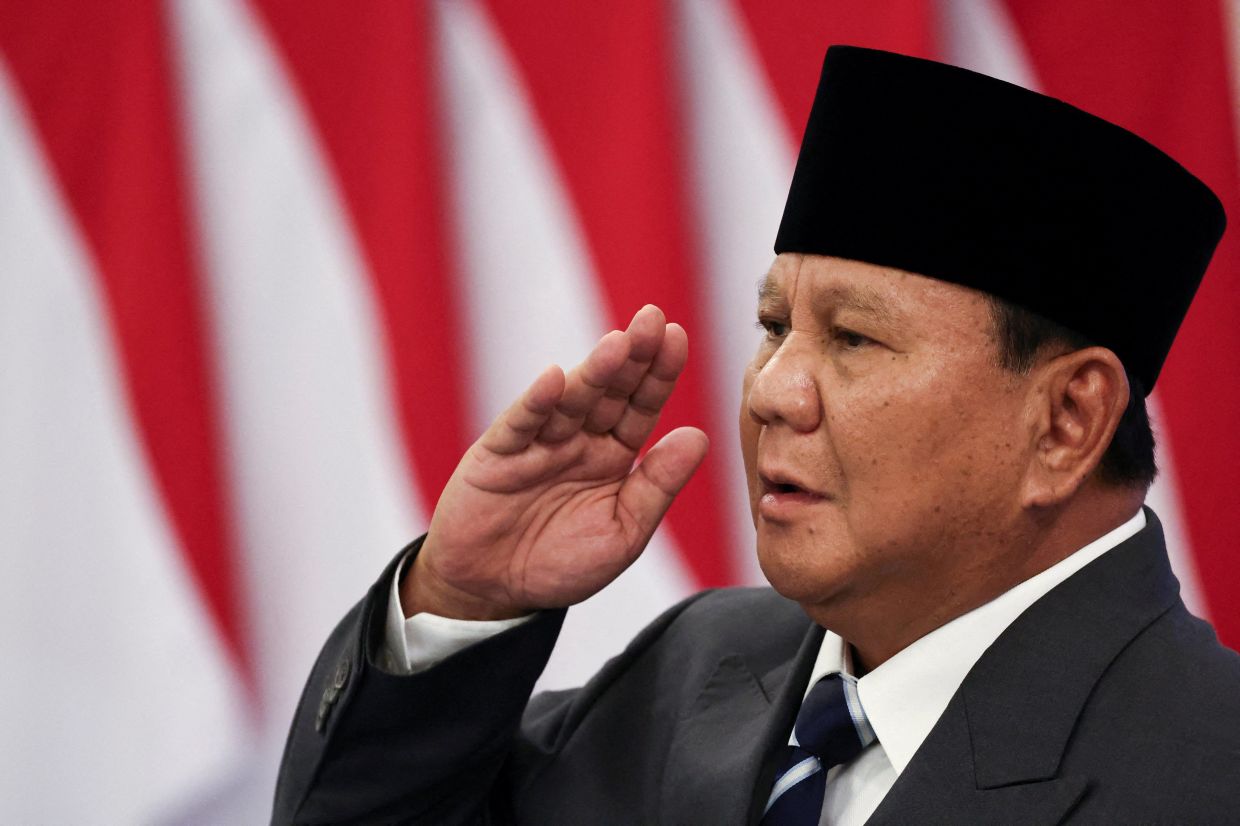
Indonesia's defence ministry has substantially scaled back the military component of training for managers in President Prabowo Subianto's flagship village cooperative initiative, following the deaths of five participants within the first two weeks of the programme. The restructuring represents a significant policy shift in response to mounting criticism over the safety and appropriateness of mandatory military instruction for civilian managers, with the human rights commission urging the government to abandon the military training component entirely.
The "Red and White Cooperatives" scheme, launched in July of the previous year, represents one of the Prabowo administration's most ambitious economic programmes. The initiative targets the establishment of approximately 80,000 village-level cooperative enterprises throughout the Indonesian archipelago, designed to serve as engines for job creation and consumption of subsidised essential goods including cooking gas and fertiliser. The government has positioned these cooperatives as critical infrastructure for achieving its ambitious 8% economic growth target by 2029, making the manager training programme a central pillar of the broader economic strategy.
The defence ministry, which oversees the training across multiple regional military installations, originally scheduled the 45-day mandatory course to run from mid-June through the end of July, with approximately 35,000 prospective cooperative managers enrolled across several military training units nationwide. The scope of the programme underscores the government's determination to instil military discipline and hierarchy within the civilian cooperative management structure, though this approach has proven contentious among human rights advocates and public health specialists.
Between June 17 and June 26, five participants succumbed to various medical conditions, including sudden cardiac arrest, heat-related illness, tuberculosis, and pneumonia. The ministry initially maintained that all deceased individuals had passed pre-training medical examinations and that the programme involved only moderate physical activity. However, this assurance provided little comfort to families or observers questioning whether civilian administrators required military-style conditioning as part of their preparation.
Defence ministry spokesperson Rico Sirait disclosed on Tuesday that the ministry had conducted a comprehensive programme evaluation following the deaths and subsequently restructured the training curriculum. The revised approach eliminates tactical and weapons instruction entirely, with shooting exercises removed from the schedule. Additionally, the ministry has substantially reduced the physical demands placed on participants, with modifications made to accommodate the civilian backgrounds and varying fitness levels of the trainees.
The reformulated training now concentrates on character development, institutional discipline, leadership capabilities, and fostering collaborative partnerships among cooperative managers. This reorientation represents a fundamental shift in pedagogical emphasis from military competency to civilian management skills, reflecting acknowledgment that the original framework may have been unsuitable for individuals destined for commercial rather than security sector roles. The change also suggests implicit recognition that the military environment itself may have contributed to the adverse health outcomes.
For Malaysian observers and Southeast Asian policymakers, the Indonesian experience offers important lessons regarding the implementation of large-scale civilian training programmes within military institutions. The risks associated with subjecting substantial populations to intensive physical regimens without adequate medical supervision and individualised accommodation become evident when mortality occurs. Malaysia's own experience with training-related incidents, whether in military or civilian institutional settings, underscores the necessity of rigorous health protocols and graduated physical conditioning appropriate to participant demographics.
The political implications for President Prabowo extend beyond immediate programme management concerns. The cooperative initiative forms part of a broader agenda to consolidate popular support through direct economic intervention and job creation. Deaths within a flagship government programme risk eroding public confidence in the administration's competence and commitment to citizen welfare, particularly among rural populations the cooperatives are intended to serve. The swift restructuring, while necessary, implicitly acknowledges that the original programme design was problematic.
Indonesia's human rights commission intervention adds institutional pressure on the government to reconsider the military training component more fundamentally. The commission's call for the complete termination of military instruction suggests that civil society organisations regard the entire framework as inappropriate for civilian purposes, regardless of modifications to intensity or content. This institutional critique reflects broader regional conversations about the proper relationship between military institutions and civilian economic governance structures.
The cooperative programme's ambition remains unchanged despite the training modifications. Establishing 80,000 village enterprises represents an enormous undertaking requiring substantial coordinated effort across regional and local government structures. Whether civilian-trained managers operating under a revised curriculum can effectively implement complex cooperative structures and maintain government subsidy systems remains an open question. The training adjustments may reduce immediate safety concerns but do not address underlying questions about whether military-led instruction serves the cooperative programme's ultimate economic objectives.
Moving forward, the defence ministry faces pressure to demonstrate that restructured training adequately prepares managers while maintaining acceptable safety standards. Transparent reporting on subsequent training outcomes, participant health monitoring, and comparative effectiveness metrics will be essential for rebuilding confidence in the programme. For Indonesia's development objectives and regional economic integration, ensuring the cooperative initiative succeeds depends fundamentally on restoring public trust in its implementation mechanisms.
The incident also highlights the importance of proportionate training design when large civilian populations participate in structured programmes. The deaths, regardless of underlying medical causes, occurred within a military training environment that apparently exceeded participants' physiological capacity. Future large-scale civilian training initiatives throughout Southeast Asia would benefit from this cautionary example, particularly when rural or economically disadvantaged populations constitute the participant base.

