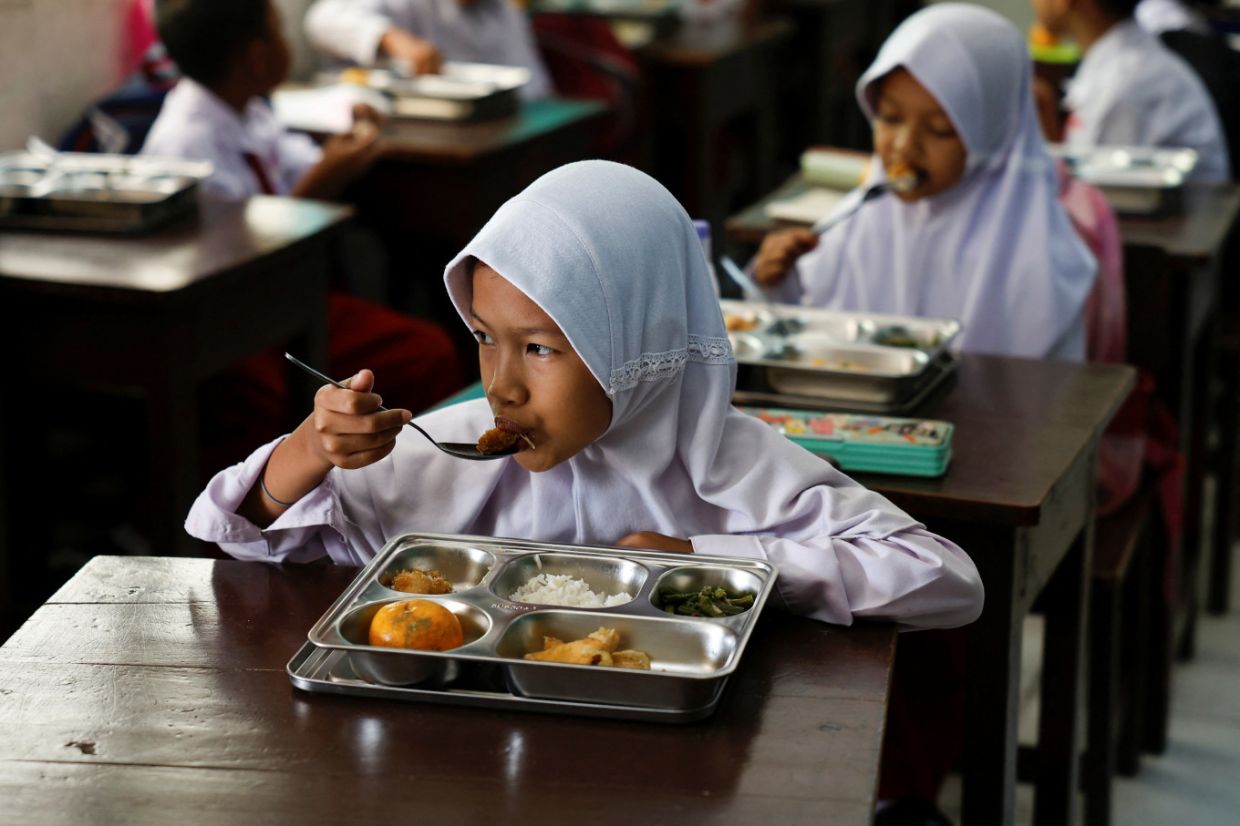
Indonesia's proposed overhaul of its education system law has sparked significant controversy among teachers' unions, who fear the revision could legally resurrect funding for President Prabowo Subianto's flagship free meals program through the education budget, effectively sidestepping a binding constitutional court decision that explicitly prohibited such financing. The revised National Education System Law (Sisdiknas), currently under deliberation in the House of Representatives, has prompted warnings from education advocacy groups that vaguely worded clauses could provide the legal mechanism to redirect education funds toward the nutritious meals initiative once again.
The Indonesian Teachers Association (P2G) has identified Article language in the July 8 draft as particularly problematic, specifically provisions mandating that government and educational institutions integrate health services, including mental health support, with national health policies. The disputed wording establishes a framework within which health-related programs at schools could be classified as integral education functions. According to P2G national coordinator Satriwan Salim, this formulation creates interpretive flexibility that could ultimately permit the free meals scheme—framed as a health intervention—to become a legitimate education budget line item. The concern reflects anxieties that legislative language could effectively nullify the spirit of the constitutional court's July 30 judgment through semantic reclassification rather than overt budget manipulation.
The constitutional court ruling that sparked these tensions represented a significant constraint on presidential authority and budgetary discretion. In its decision, the court determined that free meals constitute a public health initiative rather than an educational service, and therefore cannot claim protection under the constitutional mandate that at least 20 percent of annual state spending support education. This ruling directly addressed a contentious budgetary reality: during the current fiscal year, approximately Rp 223 trillion (US$12.5 billion) of the Rp 769 trillion education budget was allocated to the free meals program, consuming nearly one-third of constitutionally mandated education spending. The court ordered the program removed from education budget lines for the 2028 state budget cycle, though it suggested the government adjust current-year allocations accordingly to comply with the decision.
Constitutional law expert Feri Amsari has provided authoritative analysis suggesting that the constitutional principles underlying the court ruling transcend individual budget legislation and apply broadly to all future legislative attempts to fund the program. Under constitutional doctrine, Amsari contends, the program cannot access education funding regardless of which law authorizes it, what terminology the legislation employs, or how budget categories are restructured. His interpretation suggests that any legislative mechanism—including through education system law revisions—would constitute an unconstitutional circumvention rather than a legitimate regulatory adjustment. This analysis establishes a high bar for future legislative proposals, requiring that any education law revision scrupulously avoid language permitting health or nutrition initiatives to be categorized as core education functions.
Civil society organizations monitoring the deliberation process have expressed comparable alarm, characterizing potential legislative maneuvers as attempts to frustrate constitutional authority. The MBG Watch coalition, which supported the original petitioners challenging the funding mechanism, has warned the House of Representatives that nominal rebranding, budget engineering through nomenclature changes, or regulatory restructuring designed to maintain education funding for meals would constitute a fundamental denial of the court's binding judgment. Agus Sarwono of Transparency International Indonesia, a coalition participant, explicitly cautioned that such attempts would undermine constitutional governance and establish dangerous precedent for circumventing judicial rulings through legislative innovation.
The concerns raised by teachers and civil society advocates gain additional weight when contextualized within Indonesia's broader patterns of delayed or incomplete implementation of constitutional court decisions. The education coalition pointed to instances such as a December 2025 constitutional court ruling restricting active-duty police officers from holding concurrent government positions, which has faced implementation challenges despite its binding character. This history suggests that constitutional court rulings, while authoritative in principle, may face practical resistance or circumvention attempts through legislative or administrative maneuvers. The current education law revision therefore represents a test case for whether constitutional principles will be genuinely respected or whether political interests can erode judicial constraints through legislative refinement.
The implications extend beyond the immediate dispute over meal program funding. The education system revision addresses several substantial areas requiring legislative attention, including explicit provisions regulating teacher compensation, strengthening student safety protections, and defining mandatory education funding allocation principles. Teachers unions and civil society have used the revision process to advocate for enhanced teacher salary protections and improved education service delivery, interests that could be overshadowed or compromised if the meal program funding dispute dominates deliberations. The legislative opportunity to strengthen protections for teachers and students could become hostage to unresolved conflicts over the free meals program's budgetary status.
House Commission X chair Hetifah Sjaifudian, a Golkar Party lawmaker overseeing the education system revision, has responded to the concerns by acknowledging that the bill remains preliminary and subject to refinement. She affirmed that the commission would ensure every provision undergoes careful drafting to eliminate interpretive ambiguity and align with constitutional principles. Sjaifudian emphasized the commission's commitment to dedicating education budgets primarily to learning quality improvement, teacher welfare, and core education services rather than peripheral programs. Her statement suggests receptiveness to civil society input, though it remains unclear whether the commission will substantively modify the contested health services language or whether modifications will constitute only rhetorical clarifications.
The dispute reflects deeper tensions concerning fiscal priorities and constitutional interpretation in Indonesia's education system. The free meals program, initiated as a presidential initiative addressing childhood nutrition and potentially poverty alleviation, commands significant budgetary resources and substantial political support from the executive branch. However, the constitutional court's ruling reflects competing constitutional commitments: the mandate to fund education adequately through protected budget allocations conflicts with expenditures for programs classified as health rather than educational functions. The education law revision process must navigate this constitutional tension without creating legislative loopholes that effectively neutralize the court's judgment.
For Malaysian observers, the Indonesian situation illuminates challenges common across Southeast Asia regarding education budget protection, health program financing, and the enforcement of constitutional principles against political pressure. Malaysia similarly maintains constitutional education funding mandates, and disputes occasionally emerge regarding whether ancillary programs should claim protection under education budget allocations. The Indonesian controversy demonstrates how legislative language precision becomes critical when constitutional constraints restrict budgetary flexibility, and how competing policy priorities can create pressure for legal reinterpretation rather than explicit policy reallocation. As the House deliberates the education system revision, the outcome will likely influence regional approaches to balancing education financing protections with broader social program objectives.
The coming months will determine whether the revised education law proceeds with language sufficiently precise to prevent circumvention of the constitutional court's ruling, or whether ambiguous provisions create renewed litigation and political controversy. Civil society organizations and teachers unions have signaled they will scrutinize the legislation closely and potentially challenge provisions they consider constitutionally problematic. The House Commission's stated commitment to careful drafting and avoidance of interpretive ambiguity suggests awareness of the stakes, though genuine alignment between stated commitment and legislative practice remains to be demonstrated. The resolution of this debate will carry implications for constitutional authority, education funding integrity, and the government's capacity to implement free meals through alternative, constitutionally appropriate financing mechanisms.

