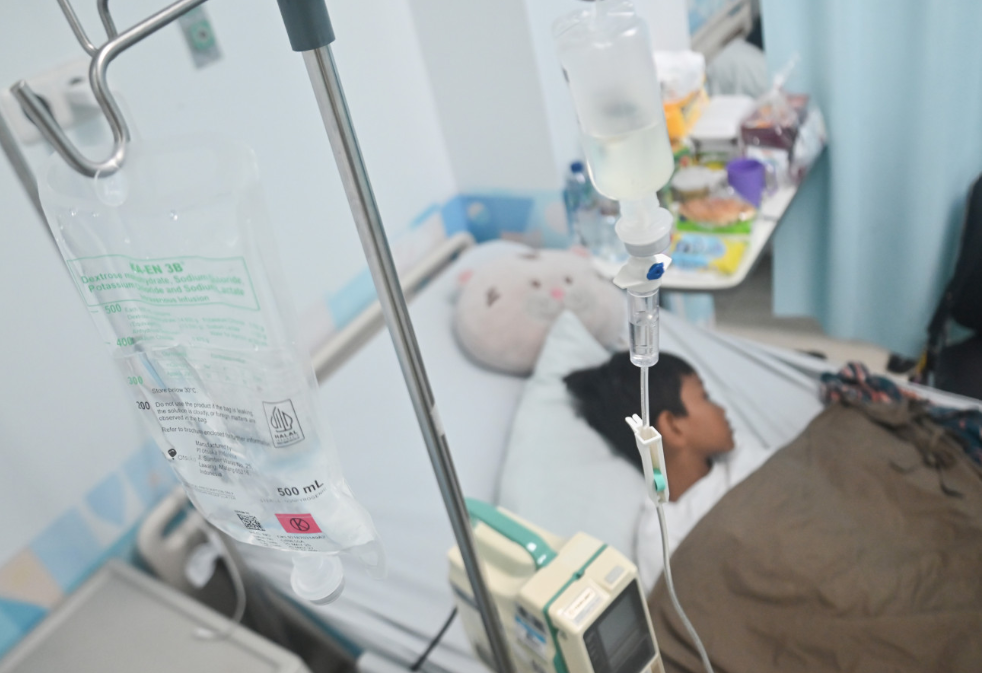
Indonesia's ambitious Free Meals Programme has been struck by multiple food poisoning incidents in recent weeks, undermining government efforts to rebuild trust in the initiative following high-profile corruption arrests and widespread safety violations. The latest cluster of cases, affecting students across West Java, Lampung and East Java, highlights persistent challenges in food preparation and handling despite assurances from the programme's new leadership that stricter oversight measures are being implemented.
The most serious recent incident occurred in Sukabumi, West Java, where 39 students at SDN Bojongkoneng State Elementary School developed symptoms of nausea, dizziness and severe stomach pain after consuming programme meals on Tuesday, 28 July. According to Tatang Koswara, head of surveillance at the Sukabumi Health Agency, the symptoms manifested rapidly—the first cases were reported within thirty minutes of consumption. Emergency responders rushed one student to hospital for treatment. The meal in question comprised savoury rice, sweet-and-sour eggs, stir-fried carrots and corn, longan fruit, and milk. Subsequent inspection uncovered a significant breach of food safety protocols: milk distributed to the students had already passed its expiration date in June, suggesting inadequate quality control systems at the point of distribution.
Parallel incidents in Lampung province reveal a troubling pattern of operational failures across the programme's kitchen network. In Pesawaran regency, 33 students and one teacher at SDN 22 Tegineneng fell ill on 24 July after consuming meal packages containing green bean porridge, white bread, boiled eggs and fruit soup. Days earlier, on 22 July, eight students at a neighbouring junior high school in Tanggamus Regency experienced similar symptoms following consumption of rice, fried tofu, butter sauce chicken, stir-fried green beans and corn, and oranges. These incidents prompted Fitra Alfarisi, head of the administrative division at the Nutrition Fulfillment Service Office (KPPG), to announce the immediate suspension of two kitchens and the commencement of formal investigations. The KPPG has identified multiple breaches of standard operating procedures at the affected facilities, though the specific violations remain under investigation.
The situation in Kediri, East Java, represents the most significant single cluster, with 211 students from two separate schools falling ill on 23 July after consuming stir-fried carrots, fried tofu, boiled eggs and green grapes. The Kediri Health Agency, led by Ahmad Khotib, has initiated a comprehensive data-gathering process to identify the causative agent, but the sheer scale of this incident demonstrates how quickly contamination can affect large numbers of beneficiaries when safety systems fail.
These recent cases form part of a much broader pattern of dysfunction within the programme since its launch. President Prabowo Subianto initiated the Free Meals Programme on 6 January 2025 as a cornerstone of his administration's response to Indonesia's persistent stunting crisis, which remains a significant public health challenge affecting child development and long-term economic productivity. The scheme was designed to ensure adequate nutrition reaches school-age children from disadvantaged backgrounds. However, the programme has rapidly descended into a crisis of confidence following numerous food safety incidents and revelations of systemic mismanagement.
The scale of documented food poisoning cases is staggering. The Network for Education Watch Indonesia (JPPI) has documented that more than 33,600 students allegedly suffered food poisoning between the programme's launch and April 2025—a figure that raises serious questions about the adequacy of food safety monitoring systems across the kitchen network. The situation deteriorated further in early June when the Attorney General's Office (AGO) arrested the programme's architect, former National Nutrition Agency (BGN) head Dadan Hindayana, alongside two deputies, Sony Sonjaya and Lodewyk Pusung. Prosecutors alleged that these officials had systematically compromised the verification process for approving kitchens, allowing substandard facilities to participate in the programme while inflating procurement costs for various items—allegations that suggest the food safety failures were not merely operational oversights but potentially consequences of deliberate regulatory circumvention.
In response to the mounting crisis, Sudaryono was appointed as the new BGN chief and has embarked on a substantial governance restructuring. His approach combines punitive measures with systemic reform. The agency has shuttered nearly 900 kitchens out of the 28,000 operating nationwide—approximately 3.2 percent of the total kitchen network—citing violations ranging from inadequate hygiene standards and failure to meet operational protocols to insufficient wastewater treatment facilities. Simultaneously, Sudaryono has initiated personnel changes, dismissing 261 employees, including 224 non-civil servant workers and 37 specialists. The stated grounds for dismissal span disciplinary violations including online gambling, misconduct, and suspected receipt of improper benefits—a comprehensive purge intended to signal zero tolerance for misconduct.
Sudaryono's governance agenda extends beyond enforcement to transparency mechanisms designed to restore parental confidence. In a meeting with ministers responsible for food affairs, health, and education on Wednesday, the BGN chief pledged to implement a system enabling parents to monitor meal menus in real time. This transparency initiative acknowledges that public trust in the programme has eroded significantly and that visibility into what children are being served may help detect problems earlier and create a sense of accountability throughout the supply chain.
For Malaysian observers, Indonesia's experience with the Free Meals Programme offers instructive lessons about the implementation challenges inherent in scaling nutritional interventions rapidly across vast, geographically dispersed networks. Malaysia's own school feeding initiatives, which have operated successfully for decades under well-established administrative frameworks, benefit from mature food safety infrastructure and training systems. However, Indonesia's troubles highlight the critical importance of investing in kitchen staff training, establishing robust cold-chain management, implementing independent quality assurance audits, and creating clear accountability mechanisms before launching nationwide programmes. The corruption dimension—where officials allegedly permitted substandard kitchens to operate—underscores the necessity of separating procurement and verification functions to prevent conflicts of interest.
The timing of these incidents is particularly damaging to public confidence because they occur precisely when the new BGN leadership is attempting to rebuild legitimacy through reform. Each new cluster of cases—emerging in the weeks following high-profile arrests and announcements of kitchen closures—suggests that the systemic failures run deeper than initially acknowledged. The incidents also occur against a backdrop where the underlying nutrition challenge is undeniable: Indonesia's stunting rate remains a significant barrier to human development, and school feeding programmes remain a legitimate policy tool if properly executed.
Looking forward, the critical question is whether Sudaryono's combined approach of enforcement, transparency and systemic reform can meaningfully arrest the pattern of food safety failures. The sheer number of kitchens involved—28,000 nationwide—suggests that centralised monitoring remains challenging despite technological solutions. The programme's success will ultimately depend on sustained political commitment to implementing rigorous oversight, adequate investment in staff training and food safety infrastructure, and the establishment of independent verification mechanisms that cannot be compromised by procurement interests or political pressure. Until such systems demonstrate consistent effectiveness, the programme will remain vulnerable to the periodic crises that have characterised its first seven months of operation.

