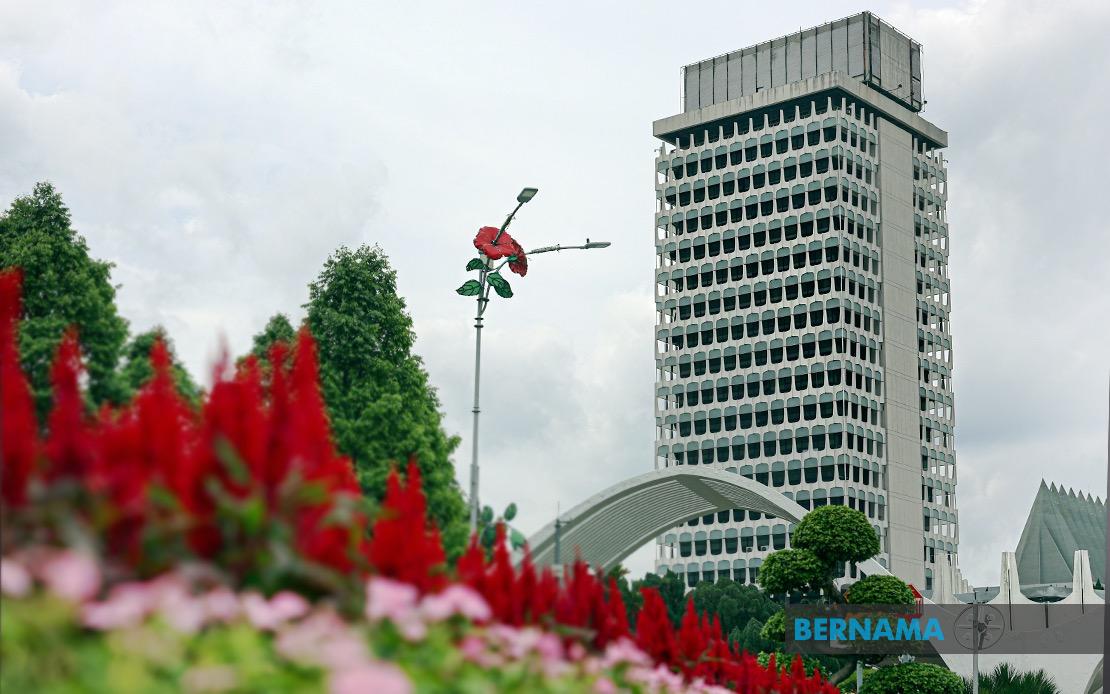
Malaysian parliamentarians are set to scrutinise the government's handling of critical infrastructure and fiscal pressures when the Dewan Rakyat reconvenes today, with internet service reliability and the financial implications of regional geopolitical tensions dominating the agenda. The sitting, which continues through July 16 over a 16-day session, will feature multiple questions targeting ministerial accountability on issues that directly affect ordinary Malaysians and the nation's economic stability.
Communications infrastructure emerges as an urgent concern, with Datuk Anyi Ngau from GPS-Baram pressing the Communications Minister on a problem that has increasingly frustrated users across the country. The question focuses on the Malaysian Communications and Multimedia Commission's strategy to resolve a peculiar and widespread phenomenon where mobile devices display full signal strength yet internet services become completely inaccessible. This technical paradox suggests systemic issues beyond simple coverage problems, potentially pointing to network congestion, routing failures, or infrastructure inadequacies that demand immediate attention from regulators and service providers.
The fuel subsidy question takes on heightened significance given Malaysia's economic vulnerabilities. Mohd Syahir Che Sulaiman from PN-Bachok will ask Finance Minister to provide the government's latest evaluation of how the West Asia conflict affects subsidy expenditure trajectories. As Middle Eastern tensions persist, global petroleum prices remain volatile, creating uncertainties for Malaysia's substantial fuel subsidy bill. The question specifically probes whether rising subsidy costs pose risks to achieving the fiscal deficit targets announced in this year's budget—a concern that resonates with stakeholders monitoring Malaysia's macroeconomic health and debt sustainability.
The fiscal implications extend beyond headline numbers. Fuel subsidies represent a significant drag on government finances and crowd out spending on education, healthcare, and infrastructure. If the West Asia situation forces the government to significantly boost subsidy allocations, it creates difficult trade-offs across the budget. This dynamic is particularly relevant for Malaysian policymakers as they balance the competing demands of keeping essential goods affordable for citizens while maintaining fiscal discipline and meeting international lending criteria.
Economic inclusion for vulnerable workers features prominently on the day's agenda through a question from PN-Pasir Salak's Jamaludin Yahya. The inquiry addresses financing barriers faced by self-employed individuals, small traders, hawkers, and gig workers attempting to secure home financing without conventional salary documentation. This issue highlights the tension between traditional banking requirements and the reality of Malaysia's informal economy, which employs millions. Solutions could involve alternative income verification methods, revised lending criteria, or targeted financial programmes that expand homeownership opportunities while managing lender risk.
Women and family welfare matters also command parliamentary attention, with PH-Puchong member Yeo Bee Yin seeking clarity on confinement centre regulations. This question reflects growing public concern about the safety, quality, and legitimacy of facilities providing postpartum care services. The query about government readiness to establish a comprehensive national regulatory framework and introduce new legislation suggests recognition that current oversight mechanisms may be inadequate. For Malaysian families, particularly mothers seeking postpartum support, clearer regulations could enhance service standards and consumer protections.
Following the question and answer session, parliament will progress to legislative business. The Communications and Multimedia (Amendment) Bill 2026 and the Malaysian Communications and Multimedia Commission (Amendment) Bill 2026 will both advance to second reading after completing their first reading last Monday. These legislative initiatives suggest the government is moving to modernise regulatory frameworks governing Malaysia's digital communications sector, though the specific amendments remain to be detailed during parliamentary debate. Given the internet access concerns already being raised, these bills acquire additional relevance as potential mechanisms for strengthening service standards and consumer redress.
The convergence of these issues reflects broader governance challenges facing contemporary Malaysia. Infrastructure reliability, fiscal sustainability amid external shocks, inclusive economic growth, social welfare provision, and regulatory modernisation form an interconnected policy ecosystem. Parliamentary scrutiny on each front, while individually important, collectively indicates the multifaceted pressures confronting policymakers navigating an uncertain global environment while trying to improve citizens' lived experiences.
The questions also reveal Parliament's role beyond legislation, serving as a forum for holding executive accountable on implementation, spending, and strategic responses to emerging challenges. The specificity of the inquiries—from technical internet problems to subsidy cost assessments—demonstrates that lawmakers are engaging with concrete, immediate concerns rather than abstract policy principles. This granular focus ensures that government agencies receive clear signals about parliamentary expectations and public priorities.
As Malaysia continues developing its digital infrastructure, managing fiscal pressures from global commodity volatility, and expanding social safety nets, the outcomes of today's parliamentary exchanges will provide important insights into government thinking and preparedness. Whether ministerial responses demonstrate concrete plans or merely acknowledge challenges will influence public confidence in the government's capacity to deliver on critical fronts. The 16-day sitting thus offers a window into how Malaysia's elected representatives are exercising constitutional responsibilities during a period marked by both domestic pressures and international uncertainties.

