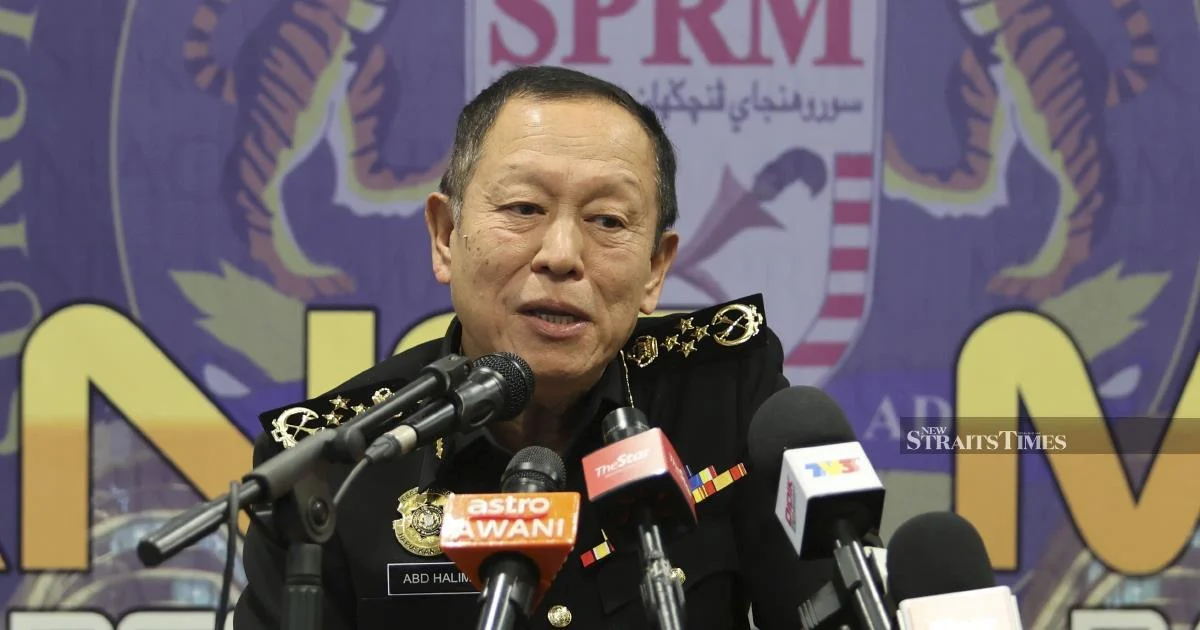
The Malaysian Anti-Corruption Commission has moved to clarify that its investigation into Low Taek Jho, the fugitive businessman at the heart of Malaysia's 1Malaysia Development Berhad scandal, remains an active priority rather than a dormant file. The assertion from the MACC's leadership in Putrajaya underscores the authority's continued commitment to pursuing the complex case despite the defendant's absence from the jurisdiction and the considerable hurdles involved in international enforcement.
Low Taek Jho's role in the 1MDB affair, which unfolded across 2009 to 2015, became one of the most significant financial scandals in Southeast Asia's modern history. The case exposed how billions of ringgit from the sovereign wealth fund were allegedly misappropriated through an intricate web of transactions spanning multiple continents and shell companies. Low's flight from Malaysia and subsequent attempts to evade extradition have made the investigation substantially more complex, requiring coordination with foreign authorities and careful management of legal proceedings across different jurisdictions.
The MACC's reaffirmation that investigative work has not ceased is significant for several reasons. First, it demonstrates institutional resolve to pursue accountability even when primary suspects remain beyond reach. Second, it suggests that fresh leads or developments may be emerging from ongoing inquiries into associates, financial flows, and asset recovery efforts. The commission's statement likely responds to perceptions within certain quarters that attention to the case may have waned as Malaysia transitioned through different political administrations and shifts in prosecutorial priorities.
For Malaysian citizens and policymakers, the signal matters considerably. The 1MDB crisis shook public confidence in institutions and governance frameworks, with repercussions extending to Malaysia's international standing and business environment. Sustained investigative momentum sends a message that accountability mechanisms remain functional regardless of who holds political office. This continuity is particularly important in a country where governance transitions can sometimes lead to investigations being deprioritised or redirected.
The investigative landscape has evolved significantly since Low's initial disappearance. Several co-accused individuals have faced charges in Malaysian courts, with some receiving convictions. Former Prime Minister Najib Razak underwent trial proceedings related to the scandal, resulting in convictions that were later upheld through appellate processes. These parallel investigations and prosecutions have generated voluminous evidence and documentation that the MACC can continue leveraging to build its case against Low himself, should he ever be apprehended or voluntarily submit to Malaysian jurisdiction.
International cooperation remains central to the investigation's viability. Law enforcement agencies in countries including the United States, Singapore, and the United Kingdom have pursued parallel inquiries into 1MDB-related misconduct, with some securing convictions and asset freezes. The MACC's coordination with these foreign authorities, combined with Interpol's red notice system and bilateral extradition frameworks, creates multiple pressure points that theoretically could enable Low's eventual accountability. However, the fugitive's ability to remain elusive suggests sophisticated evasion strategies, possibly including continued residency in jurisdictions without straightforward extradition treaties with Malaysia.
The financial dimensions of the investigation remain substantial. Efforts to trace, freeze, and recover assets stolen through 1MDB-related schemes continue globally, with some successes in asset recovery but substantial portions remaining unaccounted for. The MACC's ongoing investigation likely encompasses tracing recovered funds to their sources within Low's network, documenting his personal enrichment, and quantifying losses attributable to his actions. This forensic work, though less visible than arrests or court proceedings, constitutes painstaking investigative labour essential to building prosecutorial cases.
From a Southeast Asian perspective, the 1MDB scandal and the pursuit of Low Taek Jho have implications extending beyond Malaysia alone. The case demonstrated how weak governance and inadequate oversight mechanisms at one country can enable crimes with regional and global ramifications. It prompted other nations to reassess their own antimoney-laundering frameworks, beneficial ownership disclosure requirements, and cross-border transaction monitoring. Malaysia's sustained investigative efforts implicitly contribute to regional integrity efforts by demonstrating that such schemes, once exposed, invite persistent legal consequences.
The MACC's statement also carries implications for victim populations. Thousands of Malaysian workers, retirees, and institutional investors suffered financial losses or deferred benefits when 1MDB underperformed. Families received reduced pension contributions, school development projects were deferred, and subsidy programmes faced constraints. The knowledge that investigative momentum persists—even if criminal consequences remain distant—preserves the possibility of future accountability and asset recovery that could partially redress these harms.
Moving forward, the investigation's success will depend on maintaining focus despite evolving political circumstances and competing institutional priorities. Operational security, witness protection, and coordination across agencies must be carefully managed. The MACC must also navigate public scepticism that can emerge when high-profile investigations extend across multiple political administrations without visible progress. The commission's proactive affirmation that the Low Taek Jho investigation remains active appears designed partly to counter such perceptions and reaffirm institutional commitment to closure.

