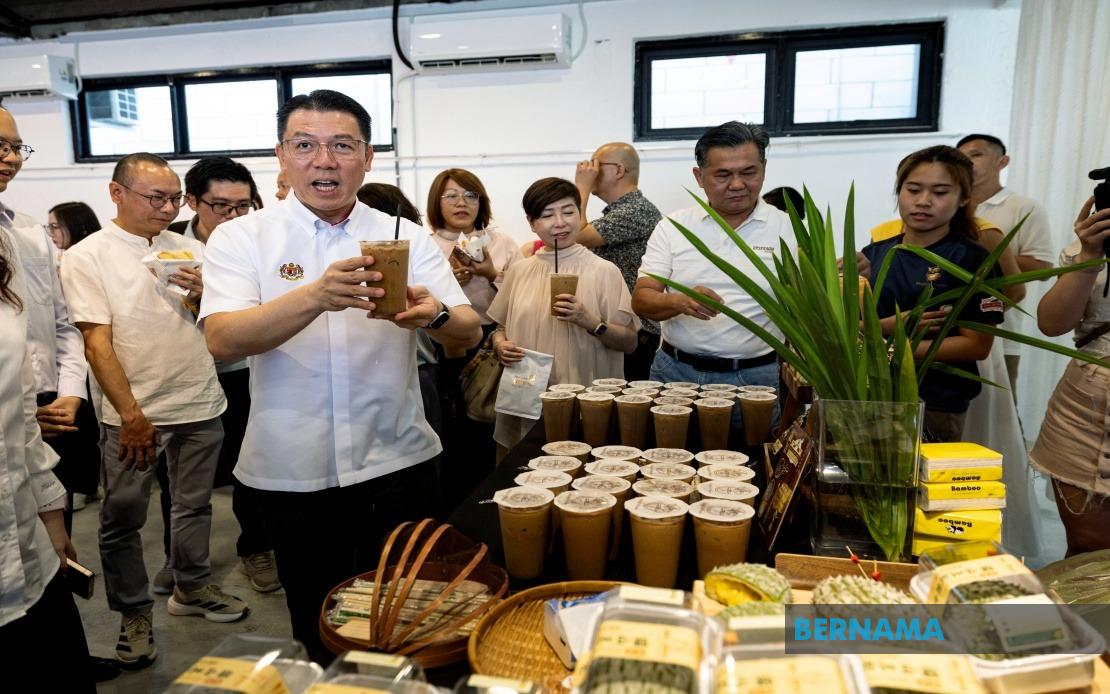
Malaysia's Housing and Local Government Minister Nga Kor Ming has unveiled plans for the Jom Makan Ipoh 2026 Expo, positioning the celebration of the country's diverse food traditions as a powerful mechanism for social cohesion. Speaking at the programme's pre-launch in Ipoh, the Kepayang assemblyman articulated a vision that extends far beyond typical food festivals, framing gastronomy as a unifying force within Malaysia's multiracial society. This conceptual shift reflects growing recognition among policymakers that culinary experiences offer tangible platforms for cross-cultural understanding and national identity-building.
The three-day event, scheduled for August 28 to 30 and running from 5 pm to 11 pm at Palo 101, represents a collaborative effort between the Kepayang constituency service centre and multiple strategic partners. The timing aligns with Merdeka Month celebrations, deliberately connecting food heritage preservation with the broader narrative of Malaysian independence and unity. By integrating culinary showcases with nation-building messaging, organisers seek to reinforce the Malaysia, Truly Asia branding that has long underpinned the country's tourism and cultural positioning.
The expo will feature more than 50 food and agricultural product stalls highlighting 12 distinctive Ipoh specialties. Signature dishes including Laksa Buyong, nasi ayam taugeh, and puding taufu will take centre stage, alongside Ipoh's internationally recognised white coffee. This curation reflects deliberate attention to Ipoh's gastronomic identity—a carefully cultivated selection that speaks to the city's unique historical influences, from tin mining prosperity to multicommunal trading traditions. The inclusion of both traditional dishes and innovative culinary interpretations suggests an attempt to bridge heritage conservation with contemporary food trends, appealing to diverse visitor demographics ranging from heritage enthusiasts to younger, experience-seeking tourists.
The festival architecture incorporates six dedicated Ipoh Food Culture Galleries, each exploring distinct threads in the city's culinary tapestry. Dedicated spaces examining white coffee production, tin mining era food culture, kacang putih traditions, sambal and ulam preparations, and other heritage cuisines will provide educational depth beyond casual tasting. This museum-like approach transforms the expo from a simple commercial exercise into a cultural documentation effort, potentially appealing to academics, cultural researchers, and visitors seeking substantive engagement with local history rather than superficial sampling.
Stage programming throughout the three days comprises cultural performances from various ethnic communities, thematic food talks exploring Ipoh's gastronomic evolution, and the inaugural launch of an Ipoh QR Digital Food Map. The digital component suggests integration of modern technology with traditional knowledge systems—visitors can access historical and cultural information about dishes via smartphone, creating a hybrid experience that combines physical and virtual engagement. This technological layer could prove particularly valuable for international tourists unfamiliar with local food contexts and seeking deeper understanding of culinary significance.
Minister Nga projected attendance exceeding 20,000 visitors, indicating substantial confidence in the expo's drawing power within both local and regional markets. For Ipoh—a city with significant tourism infrastructure but seeking to differentiate itself within Malaysia's competitive destination landscape—a well-executed food festival could generate meaningful economic activity through hospitality spending, retail sales, and photo-worthy moments suitable for social media amplification. The projected attendance figures suggest realistic ambitions calibrated to venue capacity and marketing reach, avoiding hyperbolic projections that often characterise Malaysian event announcements.
The festival's conceptual framing as a "catalyst for national unity" reflects broader policy interest in identifying non-political vehicles for fostering social cohesion. In an era of recurring communal sensitivities, positioning food as a neutral territory for intercultural dialogue offers strategic advantages for policymakers. Food experiences bypass intellectual argumentation and appeal directly to sensory pleasure and shared satisfaction, potentially creating moments of genuine connection that transcend the formal political sphere. This approach aligns with international best practices in cultural diplomacy and soft power deployment.
For Malaysia's tourism sector, particularly as it navigates post-pandemic recovery and intensifying regional competition, culinary tourism represents an increasingly significant niche. Successful food-focused events generate extended visitor stays, encourage repeat visitation, and create compelling digital content for international marketing. Ipoh's historical role as a regional culinary destination—anchored by white coffee's international recognition—provides substantive foundation for building world-class gastronomic tourism infrastructure. The expo functions as both immediate revenue generator and strategic positioning exercise within a competitive regional market including Thailand, Vietnam, and Singapore, which have successfully leveraged food tourism for brand differentiation.
The integration of agricultural product promotion alongside prepared foods indicates attention to value chain development and farmer support. By creating direct retail opportunities for agricultural producers, the expo contributes to rural economic development while simultaneously enhancing food supply chain transparency for urban consumers. This farmer-to-consumer dynamics mirrors international trends toward locavore movements and direct-trade relationships, potentially positioning Ipoh as a model for sustainable food tourism that benefits broader agricultural communities.
The closing ceremony fireworks display, while conventional entertainment programming, symbolises celebration and collective joy—sensory experiences that reinforce positive associations with the unified multicommunal setting. Such production elements enhance the festival's memorability and shareability, extending impact beyond immediate attendees through social media documentation and word-of-mouth promotion. For younger demographic segments particularly, Instagram-worthy moments prove as important as culinary substance in driving attendance and engagement.
Looking forward, the Jom Makan Ipoh 2026 Expo establishes potential precedent for food-centred community engagement across Malaysian cities. Should execution succeed, similar festivals could proliferate, creating distributed network effects throughout the country's urban tourism infrastructure. Penang's Georgetown, Kuala Lumpur's food courts, and Melaka's heritage dining precincts might follow comparable models, collectively strengthening Malaysia's positioning within Asia's culinary tourism economy.
The Minister's emphasis on food as unifying instrument ultimately reflects pragmatic recognition that shared meals and culinary appreciation transcend divisive boundaries. By providing structured, government-supported platforms for such cross-cultural gastronomic engagement, policymakers create low-stakes opportunities for interethnic interaction centred on genuine pleasure rather than obligation or formal tolerance. Whether the expo achieves its lofty unity-building aspirations will depend significantly on execution quality and authentic community participation beyond ceremonial government attendance.

