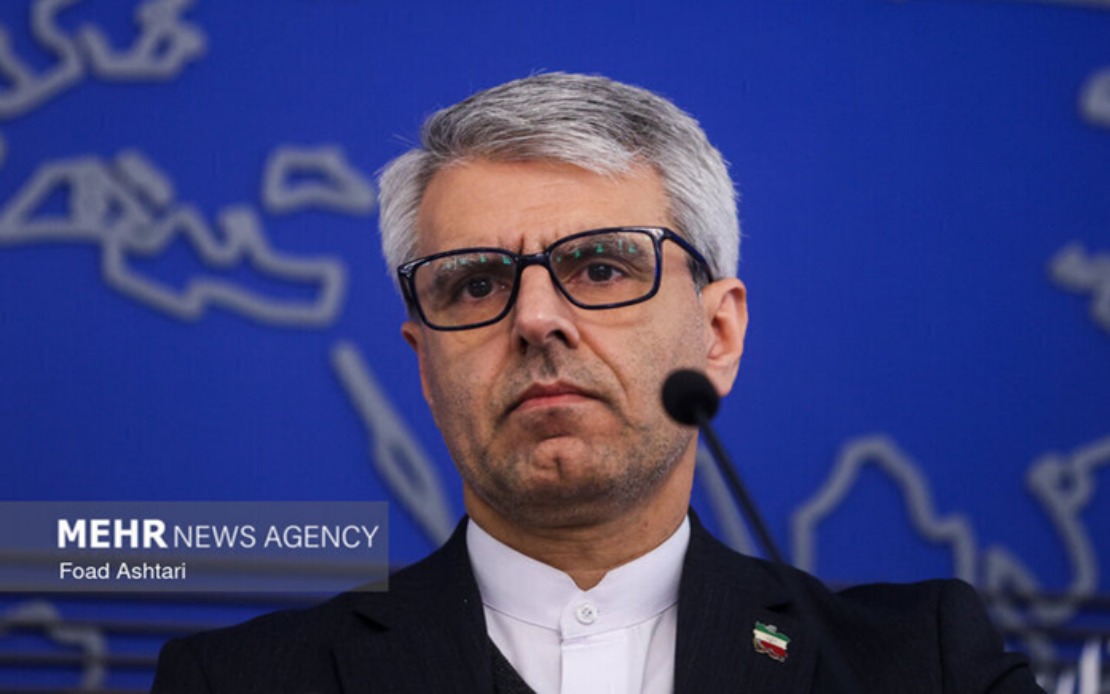
Iran and Oman have pledged to maintain dialogue on the volatile situation surrounding the Strait of Hormuz, signalling a diplomatic effort to manage one of the world's most critical chokepoints amid escalating regional tensions. The commitment emerged following a weekend visit by Iranian Foreign Minister Abbas Araghchi to Muscat, where officials from both nations outlined a framework for multilayered consultations aimed at stabilising navigation through the waterway that connects the Persian Gulf to the Gulf of Oman.
The announcement by Iranian Foreign Ministry spokesman Esmaeil Baghaei underscores a three-pronged diplomatic approach encompassing political, legal, and technical dimensions. This structured engagement reflects recognition by both capitals that the Strait of Hormuz—through which roughly one-third of global seaborne traded oil transits daily—requires urgent stabilisation mechanisms as military posturing intensifies. For Malaysia and other regional economies heavily dependent on energy imports, the prospect of sustained dialogue carries significant implications for supply chain stability and commodity price volatility.
Contextualising the diplomatic overture, the Iranian Islamic Revolutionary Guard Corps had previously announced a closure of the Strait of Hormuz until what it characterised as US interference in the region ceased, declaring that no vessels would be permitted passage. This hardline rhetoric had rattled global markets and prompted considerable concern among trading nations reliant on unimpeded access to Gulf energy resources. Oman's willingness to engage Tehran on finding a negotiated settlement represents a pragmatic counterweight to escalatory military announcements.
Baghaei emphasised that any future governance framework for the Strait of Hormuz must emerge through bilateral consultations between Iran and Oman, taking into account the militarised environment created by recent US and Israeli operations targeting Iranian positions and assets. This formulation seeks to position the two littoral states as primary architects of regional maritime security rather than allowing external powers to dictate terms. The emphasis on bilateral ownership reflects Iran's broader strategic interest in establishing itself as the dominant voice in Gulf affairs, a posture that will continue shaping regional dynamics for years to come.
The involvement of Qatar as a mediating intermediary in these consultations adds another layer of diplomatic complexity. Doha has historically maintained working relationships across the regional divide and possesses channels to Washington that Tehran lacks directly. Qatar's participation suggests that even as Iran and Oman negotiate bilaterally, pathways remain open for eventual indirect communication with the United States, though current rhetoric from Tehran remains uncompromising.
For Southeast Asian stakeholders, including Malaysia, these developments warrant close monitoring for multiple reasons. The region's maritime shipping corridors intersect with Gulf security architecture, and any sustained closure or severe disruption to Strait of Hormuz traffic would immediately ripple through regional economies. Elevated oil prices would pressure national budgets and inflation metrics across ASEAN, while shipping insurers would impose additional premiums on vessels transiting the region, raising import costs for manufactured goods and raw materials.
The diplomatic initiative also reflects broader patterns of regional power competition. Iran's insistence that future arrangements emerge from consultations with Oman rather than international frameworks seeks to exclude traditional Western influence from Gulf maritime governance. This nationalist positioning resonates domestically but complicates efforts to establish transparent, internationally recognised rules of navigation that would protect commercial interests globally. The question of whether bilateral negotiations can truly establish durable security architecture remains unresolved.
Technical consultations between Tehran and Muscat will likely address practical mechanisms for vessel tracking, communication protocols, and incident response procedures. These functional discussions form the operational backbone of any sustainable arrangement. However, the underlying geopolitical tensions—rooted in competing visions of regional order and unresolved disputes over US military presence and Israeli capabilities—will constrain what technical measures alone can achieve.
The timing of Araghchi's visit occurs against a backdrop of heightened military activity, with recent months witnessing multiple incidents involving commercial shipping and regional security forces. Establishing consultative mechanisms at this juncture represents an attempt to prevent further escalation before miscalculation or accident triggers broader conflict. Whether these talks can translate diplomatic rhetoric into concrete operational agreements remains the central challenge for both governments.
Looking ahead, the sustainability of Iran-Oman consultations depends on whether either party achieves sufficient domestic political cover to make meaningful concessions. Iran faces pressure from hardline factions opposing any arrangement that might be perceived as legitimising Western military presence in the Gulf, whilst Oman must balance its strategic partnership with Iran against its economic ties with Gulf Cooperation Council states and international trading partners. These competing pressures will test whether diplomatic goodwill can generate binding outcomes.
For Malaysia and the broader Southeast Asian community, the Iran-Oman engagement offers modest hope that regional actors recognise the mutual costs of continued military escalation. However, the absence of framework involving major shipping nations or international maritime authorities suggests these consultations represent damage limitation rather than comprehensive resolution. Sustained engagement through formal multilateral mechanisms would provide greater reassurance to dependent economies. Until broader stability mechanisms emerge, regional traders must prepare for continued uncertainty and elevated risk premiums on Strait of Hormuz transits.

