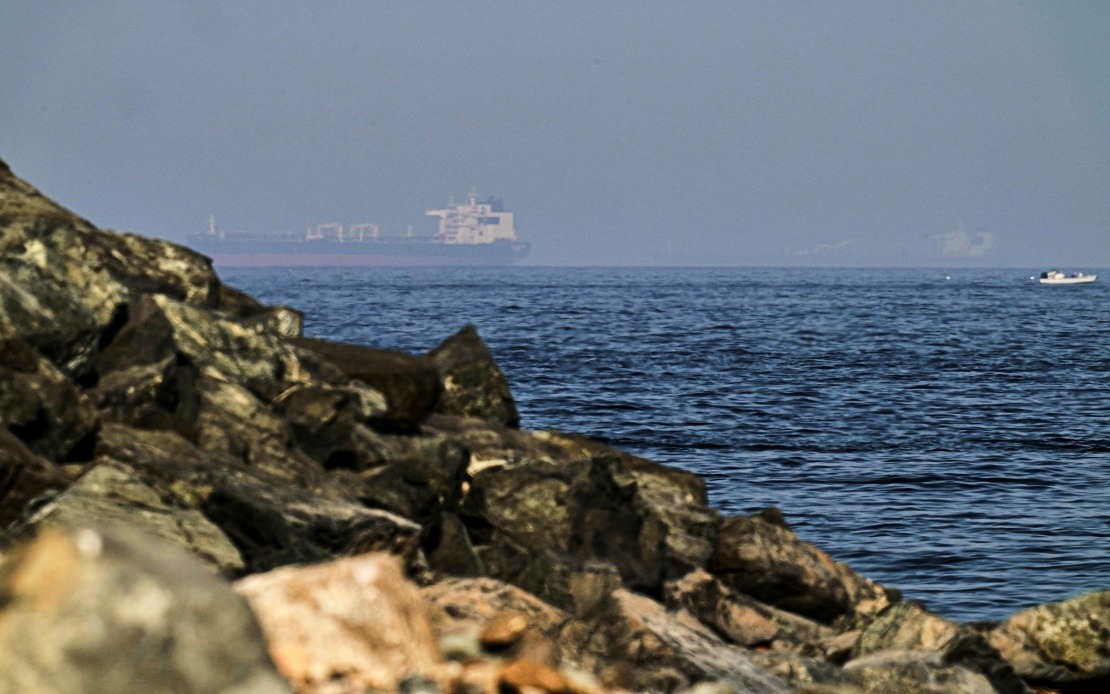
Iran and Oman have established a temporary shipping corridor through the strategically vital Strait of Hormuz, according to Major General Mohsen Rezaei, secretary of Iran's Supreme National Security Council. The arrangement divides responsibilities between the two nations, with the route splitting Iranian and Omani territorial waters along the centre of the strait. Both countries will jointly oversee vessel movement through this designated passage, representing a careful compromise between two neighbours seeking to maintain navigation stability amid regional tensions.
The corridor's creation carries immediate significance for global energy markets and regional stability. The Strait of Hormuz remains one of the world's most critical chokepoints, through which approximately one-fifth of global oil and liquefied natural gas transits daily. For Southeast Asian economies heavily dependent on energy imports, particularly Malaysia, Singapore, and Indonesia, any disruption to Hormuz shipping routes directly impacts fuel prices and supply chains. This temporary arrangement therefore addresses concerns beyond bilateral Iran-Oman relations, affecting the entire region's economic security.
However, Rezaei conditioned full normalisation of Strait traffic on Washington's compliance with a comprehensive list of Iranian demands. These conditions extend far beyond maritime issues, encompassing broader Middle Eastern geopolitics. Iran insists the United States must actively facilitate an end to wars across West Asia, specifically demanding cessation of hostilities in Lebanon and Gaza, Israeli withdrawal from Lebanese territories, and termination of Israeli strikes on Syria. This linkage between shipping access and political outcomes reveals Iran's strategy of connecting maritime commerce to leverage in regional negotiations.
The temporary nature of the corridor underscores the uncertainty permeating current negotiations between Tehran and Washington. Rezaei explicitly stated that the future of maritime traffic depends on progress in broader understandings with the United States, suggesting this arrangement serves as a confidence-building measure rather than a permanent resolution. For Malaysian shipping companies and energy traders, this conditional status creates planning complications, as the corridor could be withdrawn or modified if diplomatic negotiations deteriorate. Regional business interests therefore have a stake in de-escalation efforts across the Middle East.
Rezaei's emphasis on Iranian conditions reveals Tehran's calculation that military power alone cannot achieve its objectives. He noted that the United States has shifted toward economic pressure, indicating the limited effectiveness of military force in contemporary geopolitical contests. Iran's gradual escalation approach—initially avoiding strikes on American bases in Gulf states before expanding responses—reflected strategic thinking about maintaining international support and legitimacy. This progression suggests Iran views the Hormuz corridor as part of a broader diplomatic-military strategy rather than an isolated concession.
The security official also addressed Iranian-Turkish relations, asserting that Ankara will not impose economic pressure on Tehran. Rezaei highlighted Turkey's historical role as a trade corridor during the Iran-Iraq War, emphasizing the depth of commercial ties binding the two nations. For Malaysia and other Southeast Asian countries seeking to maintain balanced relationships with Middle Eastern powers, Turkey's continued economic engagement with Iran demonstrates how regional actors preserve pragmatic relations even amid broader geopolitical conflicts. This model of compartmentalised diplomacy may offer lessons for how neutral nations navigate competing interests.
Rezaei's characterisation of the Middle East as an "interconnected chain" where one country's instability raises investment costs and undermines development prospects throughout the region resonates particularly for Southeast Asia. Regional interconnectedness means that deteriorating security in the Levant, whether through Lebanese instability or Israeli-Palestinian conflict escalation, creates spillover effects affecting shipping, insurance costs, and investor confidence. Malaysian firms with Middle Eastern operations or investments must therefore monitor developments in Gaza, Lebanon, and Syria as closely as local conditions, given how regional instability propagates through global supply chains and financial markets.
Iran's stated commitment to supporting Lebanon reflects long-standing historical connections dating back centuries between Jabal Amel scholars and Iranian institutions. This framing illustrates how Middle Eastern conflicts operate within layers of religious, cultural, and institutional relationships unfamiliar to many Southeast Asian observers. The Iranian-Lebanese relationship extends beyond contemporary politics, embedding current military and diplomatic support within centuries-old networks of Shia scholarship and community ties. Understanding this context clarifies why Iran treats Lebanese security as central rather than peripheral to its national interests.
Rezaei's assessment of military developments reflected confidence in Hezbollah's capabilities against Israeli forces. He asserted that Israel can no longer advance toward Beirut or southern suburbs, citing losses inflicted over recent months and the deterrent effect of Iranian capabilities. However, he simultaneously warned that any resumption of confrontation would differ from previous conflicts. This dual messaging—combining demonstrated strength with acknowledgment of changed circumstances—suggests Iran is positioning itself as a serious negotiating party rather than a defeated actor. For regional observers, this posturing matters because it influences whether escalation or de-escalation dominates coming months.
The Iran-Oman corridor arrangement also reflects Oman's traditional role as a pragmatic mediator between Iran and the international community. Oman has historically maintained cordial relations with Iran while preserving stability in the Gulf region. By jointly managing the shipping corridor, Oman positions itself as a neutral facilitator and stabilising force, roles Muscat has cultivated for decades. This arrangement strengthens Oman's diplomatic standing and may enhance its credibility as a potential channel for future negotiations, particularly if broader Iranian-American discussions resume.
For Malaysian policymakers and business leaders, the Hormuz corridor situation demands close monitoring of both political developments and practical implications. Should the corridor remain operational, it provides some predictability for energy markets and shipping schedules. Conversely, if diplomatic progress stalls and Iran closes or restricts the passage, energy prices could spike and supply chains face disruption. Malaysia's position as a major petroleum importer and sophisticated financial hub means fluctuations in Hormuz traffic directly impact national energy security, inflation rates, and regional economic growth.
The broader context of Iran's regional strategy—linking maritime access to political concessions regarding Gaza, Lebanon, and Syria—suggests that Middle Eastern stability remains fragile and contingent on American policy choices. Iran's willingness to establish even a temporary corridor indicates recognition that total disruption serves neither Tehran's economic interests nor broader regional stability. Yet conditioning full normalisation on comprehensive political demands suggests Iran retains confidence in its bargaining position, possibly believing that time and regional developments favour its strategic objectives. This calculus will shape whether the Hormuz corridor becomes permanent infrastructure or remains a temporary expedient pending resolution of larger conflicts.

