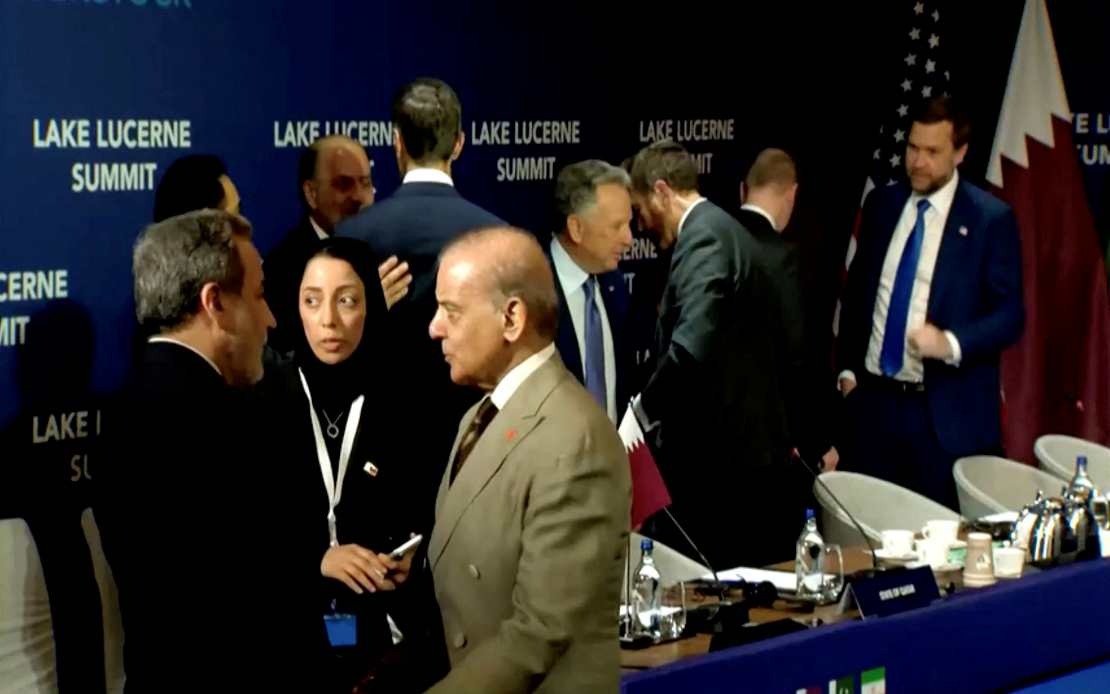
Negotiations between Iran and the United States have reached a significant milestone with the completion of a draft proposal addressing temporary relief from sanctions on Iranian petroleum shipments. The breakthrough emerged from talks held at the Burgenstock resort in Switzerland, where delegations from both nations gathered to advance the Islamabad Memorandum of Understanding. According to Hossein Ghorbanzadeh, a senior member of Iran's negotiating team, the technical framework for easing restrictions on Iranian oil exports has now been finalised, though crucial conditions remain attached to its full implementation.
The structure of the emerging agreement reflects the delicate diplomatic balance required to address competing interests across the Middle East region. Ghorbanzadeh clarified that while the oil sanctions relief draft has been completed, the broader provisions contained within the memorandum of understanding will not become operational unless a comprehensive final settlement is reached to conclude the armed conflict in Lebanon. This conditionality underscores how interconnected regional tensions remain, with the Lebanon situation serving as a potential trigger for broader escalation or stabilisation across multiple conflict zones.
The technical discussions that led to this breakthrough extended well beyond the primary negotiating sessions, involving specialised working groups that addressed the intricate details of implementing sanctions relief mechanisms. These parallel discussions allowed negotiators to work through the practical challenges of temporarily lifting restrictions on Iranian oil shipments, a move that carries profound implications for global energy markets and Iran's economic recovery. The completion of this technical framework demonstrates that both sides have invested considerable effort into identifying mutually acceptable arrangements that can be executed with relative efficiency once political agreement is reached.
Beyond oil sanctions, the negotiations have touched upon other critical issues affecting Iran's economic position and its relationship with Washington. During sessions with the Qatari delegation, Iranian representatives raised the matter of frozen Iranian assets, seeking pathways to access funds that have been immobilised through international financial restrictions. The involvement of Qatar as a mediating party reflects the region's complex diplomatic architecture, where smaller Gulf states often serve crucial bridging roles between major antagonists.
The legal framework underpinning these negotiations traces back to the Islamabad Memorandum of Understanding, which represents an ambitious attempt to reshape relations between Iran and the United States after years of escalating confrontation. On June 14, the two nations announced a 14-point understanding brokered through Pakistani mediation, a framework explicitly designed to establish pathways toward permanent cessation of hostilities and resolution of disputes through sustained dialogue rather than military action. This agreement carries particular significance given the historical pattern of mutual distrust and periodic military confrontations that have characterised Iran-US relations since the 1979 revolution.
The memorandum achieved formal legal status on June 18 when it was electronically signed by Iranian President Masoud Pezeshkian and US President Donald Trump, marking the official entry into force of this unprecedented arrangement. The speed with which the agreement moved from initial understanding to legal implementation suggests considerable pressure from both governments to demonstrate progress and prevent backtracking. For Malaysia and other Southeast Asian nations, this development carries implications for regional security and economic stability, as any sustained reduction in Iran-US hostilities could reshape patterns of military deployment and economic relationships across the broader Asian region.
The substantive provisions encompassed within the memorandum address several dimensions of the Iran-US relationship simultaneously. The agreement commits both parties to ending hostilities across multiple fronts, with explicit reference to the Lebanon theatre where various non-state actors aligned with Iran and Western powers have engaged in intermittent conflict. Additionally, the framework envisions reopening the Strait of Hormuz, one of the world's most critical maritime chokepoints through which approximately one-third of global seaborne oil passes daily. The removal of the US naval blockade that has constrained Iranian economic activity represents another major provision, one that would substantially expand Tehran's capacity to engage in international commerce.
For Malaysian businesses and policymakers, the potential reopening of the Strait of Hormuz and normalisation of Iranian oil exports carries direct relevance. Malaysia's energy security, shipping routes, and regional stability all depend significantly on freedom of navigation through key maritime passages. Any escalation in the Strait of Hormuz disrupts global energy supplies and increases insurance costs for regional shipping, factors that ultimately affect Malaysian consumers and manufacturers. Conversely, stabilisation of this critical waterway through the Iran-US arrangement could enhance regional economic prospects.
The negotiations also illustrate the broader challenge of achieving sustainable peace agreements in regions marked by multiple competing interests and long-standing grievances. While the oil sanctions relief and asset unfreezing provisions address economic dimensions, the political commitment required to maintain these arrangements over time remains uncertain. The conditionality attached to further implementation—particularly the requirement for Lebanese settlement—suggests that progress in these talks remains vulnerable to developments in other regional conflicts where multiple parties maintain entrenched positions.
The involvement of Pakistani mediation and Qatari facilitation highlights how middle powers continue to play important diplomatic roles despite the dominance of major powers in international relations. This model of mediation through trusted regional intermediaries offers potential lessons for other intractable conflicts, including those affecting Southeast Asia. Malaysia, as a significant Muslim-majority nation and respected regional voice, has occasionally played similar bridging roles, and these negotiations demonstrate the value that such intermediaries can provide when principals are unable to engage directly.
Looking forward, the implementation phase will test whether negotiators can translate written agreements into sustained behavioural change. Historical precedent suggests that the gap between signing agreements and maintaining compliance remains substantial, particularly when domestic political opposition exists on either side. The Trump administration's well-documented scepticism toward international agreements and Iran's own internal debates about engagement with the West suggest that numerous obstacles could emerge as negotiations progress toward final settlement.
For the broader Middle East and South Asia regions, successful conclusion of these negotiations could reshape strategic calculations regarding military posture and alliance formation. Countries like Malaysia that depend on regional stability and unimpeded trade flows have significant stakes in this outcome. Similarly, energy-dependent nations throughout Southeast Asia would benefit from restored predictability in oil markets and restored Iranian economic participation in global commerce. Conversely, certain parties with vested interests in perpetuating Iran-US confrontation may seek to undermine these agreements through various means.