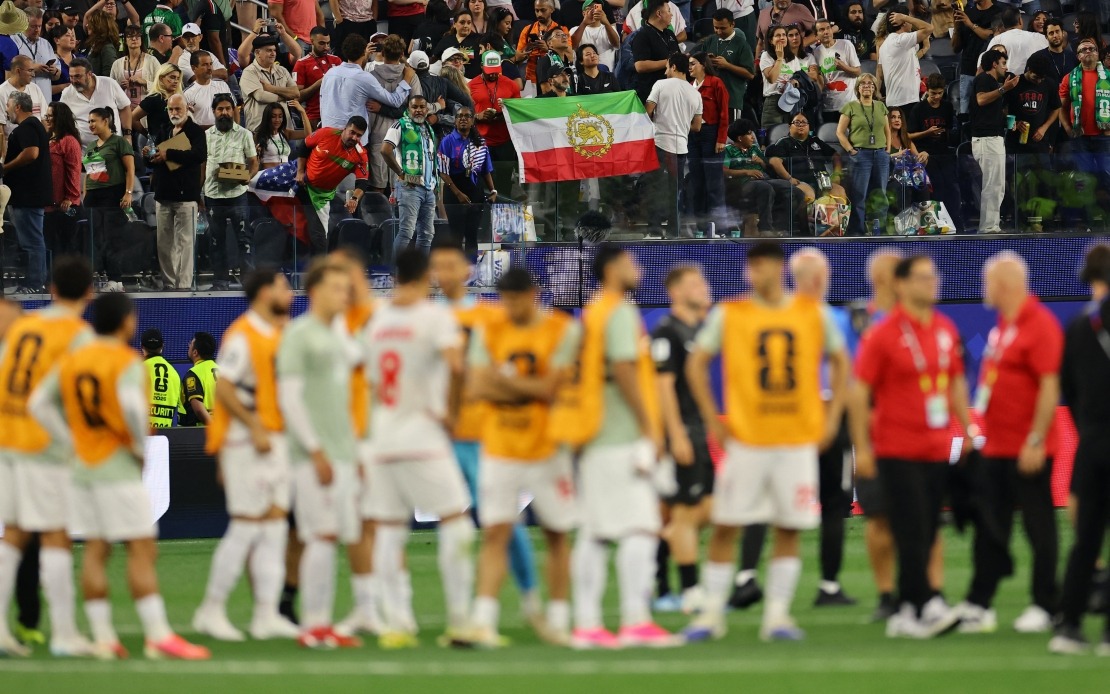
The Iranian national football team's manager Amir Ghalenoei has levelled serious complaints about the treatment of his squad during the early stages of the World Cup, describing them as the most constrained team in the entire tournament. Speaking to media representatives in Istanbul, Ghalenoei disclosed that his players were instructed to depart Los Angeles immediately following their Monday evening fixture against New Zealand, cutting short their planned recovery period in California.
The directive came as a surprise to the Iranian delegation, which had arranged to spend the night in the city and conduct rehabilitation sessions the following day. Instead, officials informed the team that departure was mandatory right after the final whistle sounded. This abrupt change meant extensive additional travel time for players who had already logged considerable hours in the air getting to their competition venue. Ghalenoei emphasised the physical toll on his athletes, noting that the constant movement prevented adequate recuperation between matches, a critical factor in professional football performance.
While the Iranian coach did not explicitly identify who issued the departure order, team captain Mehdi Taremi provided some insight into potential involvement. Taremi mentioned that FIFA President Gianni Infantino had visited the Iranian dressing room following Monday's game, suggesting possible high-level administrative involvement in decisions affecting the team. However, Taremi's comments went beyond simple logistics, hinting at deeper geopolitical dimensions underlying what appeared to be purely organisational matters.
Taremi's statements were notably diplomatic yet pointed, acknowledging Infantino's ostensible desire to assist while simultaneously referencing broader contextual issues. The captain's reference to widely understood tensions between the United States and Iran suggested these pressures extended beyond typical World Cup operational considerations. His cryptic remark that everyone knows the situation indicated these complications were transparent to observers following international football politics. The timing of his remarks—during a period when diplomatic relations between Washington and Tehran remained historically strained—added weight to interpretations that political factors may have influenced tournament logistics.
The geopolitical backdrop cannot be ignored when assessing Iran's situation at the World Cup. The nation's football programme has long operated under considerable international scrutiny and constraints, and participation in major tournaments frequently intersects with broader political dynamics. The specific complications Iran faced in preparing for the competition reflected recurring patterns of bureaucratic obstacles and logistical challenges that extend beyond standard tournament administration.
Iran's original planning had centred on establishing a training base in Tucson, Arizona, which would have provided stability throughout their World Cup campaign. However, the team relocated to Tijuana, Mexico, in late May after encountering substantial difficulties with visa processing and other administrative hurdles. This relocation itself represented a significant disruption, forcing the squad to adjust to an entirely different training environment, altitude, and local conditions just weeks before competition commenced. The move to Mexican territory, while eventually necessary, created additional complexities in preparation and travel logistics.
The pattern of constraints described by Ghalenoei aligns with the historical reality that Iranian sports teams frequently navigate more complicated organisational frameworks than their international counterparts. Whether these complications stem from official policy, diplomatic considerations, or bureaucratic processes remains somewhat ambiguous, but the cumulative effect on team preparation appears substantial. The constant repositioning and last-minute logistical changes fundamentally disrupted the planned preparation strategy that coaching staff had developed.
For Malaysian and Southeast Asian football observers, Iran's situation underscores how international sports competitions can intersect with broader geopolitical contexts. Nations with complicated diplomatic relationships sometimes find themselves navigating additional hurdles during major tournaments, affecting their competitive preparation and performance. The World Cup, while ostensibly a purely sporting event, frequently operates within complex international political realities that shape operational decisions.
The implications for Iran's World Cup performance remain significant. Fresh legs and proper recovery protocols are essential for competing effectively at the highest levels of football. Forced travel disruptions and compressed recovery windows can meaningfully impact player fitness, tactical preparation, and psychological readiness. Whether these logistical challenges materially influenced Iran's subsequent tournament results, the team faced operational disadvantages that most competing nations did not encounter.
Ghalenoei's willingness to publicly articulate these concerns reflects frustration with what he perceived as inequitable treatment during competition. His characterisation of Iran as the World Cup's most repressed team suggests the constraints went beyond isolated incidents. The accumulation of visa difficulties, base relocations, and forced departures painted a picture of systemic complications rather than random occurrences. This perception, whether entirely objectively verifiable or not, inevitably affects team morale and stakeholder confidence.
The involvement of FIFA's highest leadership further complicates interpretation of events. Infantino's visit to the Iranian dressing room could represent concern for the team's welfare or involvement in decisions affecting their arrangements. The ambiguity surrounding these interactions reflects broader questions about how international sporting bodies navigate participation from nations with complicated international standings. FIFA's responsibility extends to ensuring fair competition conditions, yet geopolitical realities sometimes create competing priorities.
Moving forward, Iran's experience raises legitimate questions about equity in tournament logistics. World football's governing body will likely face scrutiny regarding how it manages participation from all nations, particularly those navigating complex international relationships. The incident highlights the reality that World Cup preparation extends beyond pure athletics into administrative, diplomatic, and logistical domains that can substantially affect team performance and international sporting fairness.