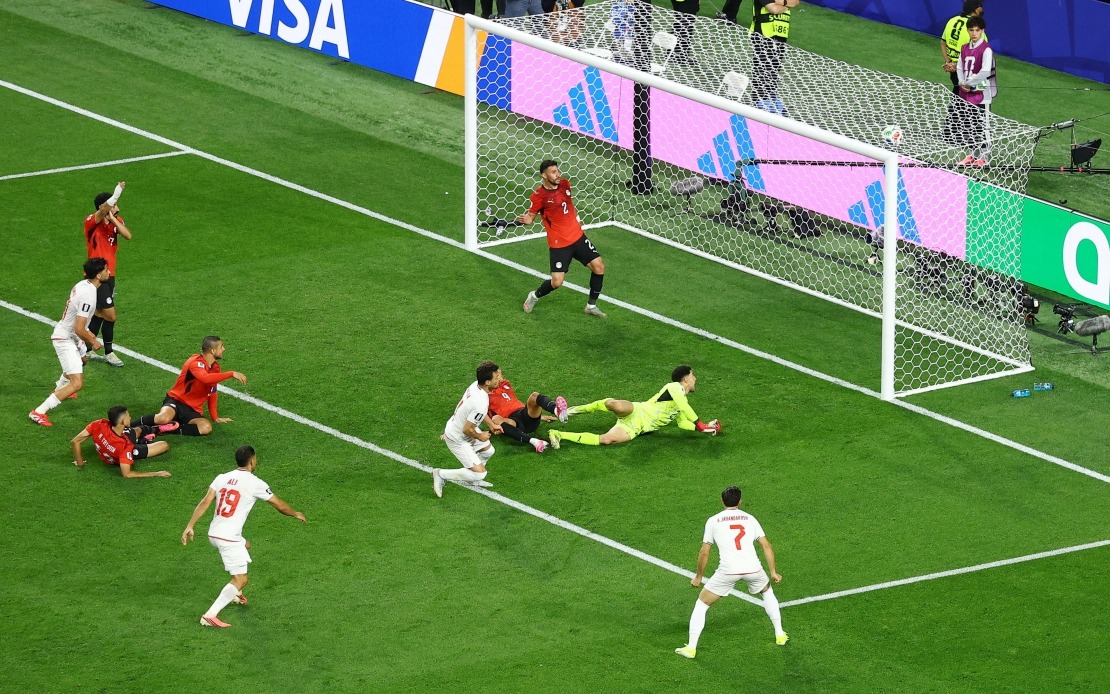
Iran's World Cup journey has ended in disappointment and acrimony, with the national football federation releasing a formal statement that levels serious accusations against the tournament's handling of their delegation. The Iranian team, eliminated after Saturday's 1-1 draw with Egypt, departed the competition asserting that they had endured what they characterised as "unfair and unsportsmanlike" conduct during their stay in the United States—a statement that underscores the complex intersection of sports, geopolitics, and international relations that has characterised their presence at the tournament.
The draw with Egypt proved insufficient for Iran to advance to the knockout rounds, marking the end of a tournament appearance that has been shadowed by logistical obstacles and procedural controversies. The team's exit was particularly frustrating given that a goal was disallowed following an extended VAR review during the Egyptian encounter, a decision that Iran's federation has implicitly referenced as symptomatic of broader unfairness in their treatment. For Malaysian and Southeast Asian observers, Iran's experience illustrates how national teams from nations with strained diplomatic relationships face additional hurdles at major international sporting events.
The Iranian delegation's base camp arrangements exemplified the complications they encountered. Originally scheduled to establish their operations in Arizona, the team was compelled to relocate to Tijuana, Mexico, a significant logistical shift that required reorganising their preparation and travel schedules during the tournament. This repositioning was likely connected to security and diplomatic sensitivities, given the historical tensions between Iran and the United States. The resulting situation forced the Iranian camp to operate across the Mexico-US border, creating practical difficulties for team management, medical staff, and administrative operations.
Beyond the base camp issue, Iran faced numerous travel restrictions that affected their ability to move freely throughout the tournament. These constraints went beyond the standard security protocols applied to all teams, suggesting that Iran's particular geopolitical status influenced its treatment by host authorities. For regional readers, this scenario echoes similar difficulties faced by other nations with complicated relationships with Western powers, highlighting how political tensions can manifest through administrative and operational mechanisms within sporting competitions.
In their official statement released as the delegation prepared to depart, the Iranian football federation (FFIRI) adopted a measured but pointed tone, thanking international media for their coverage while specifically highlighting the contrast between their mistreatment at the tournament and their reception in Mexico. This rhetorical strategy was deliberate—by praising Mexican hospitality while criticising American conduct, the federation simultaneously acknowledged the assistance they received and emphasised the differential treatment they experienced. The statement notably expressed gratitude for media coverage of "not only our team's sporting journey but also the unfair and unsportsmanlike treatment our delegation experienced during our stay," indicating that the federation views press attention to these issues as an important form of documentation and accountability.
The team's particular appreciation for the people and city of Tijuana carries additional significance. By publicly highlighting Mexico's welcome and generosity, Iran signalled that their difficulties stemmed specifically from US-based operations and constraints. This distinction matters for understanding how smaller nations navigate major tournaments when faced with political complications—they must find alternative support structures and allied nations willing to provide logistical assistance. Mexico's willingness to accommodate Iran's relocation demonstrates the continuing diplomatic and practical support that exists between certain nations despite broader geopolitical tensions.
Throughout their tournament appearance, Iran had regularly raised concerns about various issues, many directly or indirectly connected to their nation's fraught relationship with the United States. These complaints accumulated across the tournament, creating a narrative of systematic complications that ultimately shaped how the Iranian team and federation viewed their overall World Cup experience. Rather than focusing exclusively on their sporting performance, Iran's exit statement prioritises their grievances, suggesting that organisational difficulties weighed heavily on the squad's morale and approach to the competition.
For Southeast Asian audiences, Iran's experience provides instructive lessons about how international sporting events can become arenas where political tensions play out through operational mechanisms. Malaysia, as a nation that occasionally navigates complex international relationships, may find parallels in how sporting delegations from nations with complicated diplomatic histories are managed at major tournaments. The Iran case demonstrates that even in ostensibly apolitical sporting contexts, political realities shape logistical realities in concrete ways that affect team performance and athlete welfare.
The broader implications extend to questions about tournament equity and fairness. If Iran's allegations contain substance—and their measured, official tone suggests they consider documentation important—they raise questions about whether major tournaments can truly be conducted in politically neutral fashion. The VAR decision that disallowed Iran's goal, whether correct on technical grounds, occurred within this broader context of perceived unfairness, potentially influencing how both the Iranian team and international observers interpreted the officiating.
Iran's departure statement also serves a diplomatic function, creating an official record of their grievances for potential future discussions. By thanking media for accurate reporting and by providing specific details about their treatment, the federation ensures that international attention has been directed toward their concerns. This approach differs from more confrontational responses, instead leveraging media attention and documentation as tools for accountability and future discussion.

