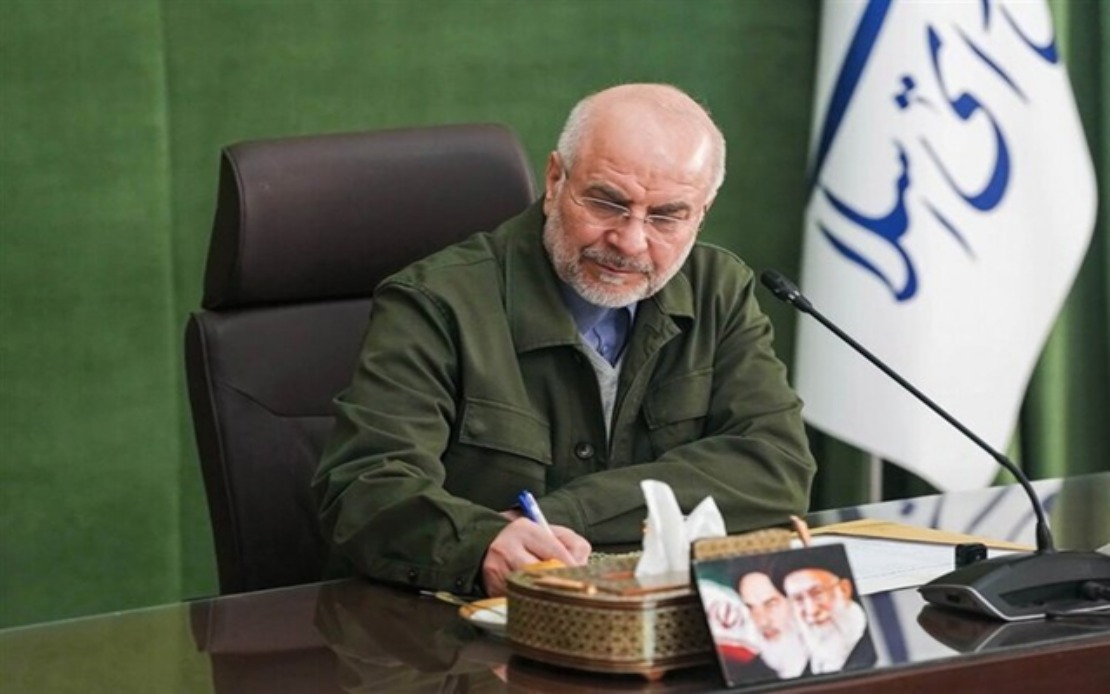
The Iranian government has firmly disputed assertions from Washington regarding how Tehran intends to deploy its recently unfrozen financial assets, with top officials pushing back against American expectations that the funds would be directed towards purchasing US agricultural commodities. Parliament Speaker Mohammad Bagher Ghalibaf, who holds a prominent role in Iran's negotiating team, declared on social media that Iran would determine the allocation of its released funds according to its own national priorities, rejecting what he characterised as unfounded American assumptions about their intended use.
Ghalibaf's rebuke came in response to recent statements by senior American officials who had suggested that the unfrozen Iranian assets would predominantly flow towards the purchase of American agricultural products. Vice President JD Vance had specifically mentioned soybeans, corn, and wheat as likely commodities that Iran would acquire, while President Donald Trump went further by proposing that the funds be held in a US-controlled escrow arrangement and used exclusively for purchasing American food and medical supplies. These positions reflected Washington's apparent strategy to tie the release of frozen assets to supporting American agricultural exports.
The disagreement over asset deployment underscores fundamental divergences between the two nations even as they engage in formal negotiations. Iran's Foreign Ministry spokesperson Esmaeil Baghaei emphasised that his country retains complete discretion over how the unfrozen resources are utilised, stressing that purchasing decisions would be made purely on the basis of economic merit, such as price competitiveness and product quality rather than geopolitical considerations. This statement signalled Iran's determination to maintain autonomy over its financial decisions despite external pressure from the United States.
Further reinforcing Tehran's position, Iran's Central Bank Governor Abdolnaser Hemmati declared that his nation bore no obligation to procure American agricultural items, though he acknowledged that Iranian entities would remain open to American goods if they offered superior value in the global marketplace. This nuanced stance suggested that Iran might purchase from the United States if commercially justified, but would not do so under duress or artificial constraints imposed by Washington.
The friction over unfrozen asset allocation reveals the persistence of mistrust between Tehran and Washington, a pattern that has characterised their relationship for decades. Ghalibaf's sardonic reference to harvesting only what the Americans had planted—a metaphorical allusion to decades of diplomatic and economic conflict—highlighted the deep historical animosity informing current negotiations. This rhetorical flourish underscored how contemporary disputes over financial arrangements remain embedded within a broader context of mutual suspicion and grievance.
The unfrozen assets in question emerged from a recently concluded peace memorandum of understanding signed on June 18, which established a framework for sixty days of intensive negotiations aimed at reaching a comprehensive agreement on Iran's nuclear programme and the removal of international sanctions. This diplomatic initiative represented a significant shift in the relationship between the two adversaries, though the rapid emergence of disputes over asset use demonstrates the fragility of the current détente.
Recent negotiating sessions held in Switzerland underscore the ongoing engagement between Iranian and American delegations, yet these talks remain shadowed by fundamental disagreements over both procedural and substantive matters. The question of how Iran's capital will be deployed represents more than a simple technical matter; it reflects deeper concerns about sovereignty, trust, and the equitable distribution of benefits from any potential normalisation agreement.
For Malaysia and other Southeast Asian nations monitoring these developments, the Iran-US dynamic carries significant implications. Disruptions to negotiations could perpetuate regional instability and affect global energy markets, with potential consequences for oil prices and supply chains that directly impact ASEAN economies. Conversely, successful resolution of these disputes could open pathways for expanded international trade and investment.
The American approach of attempting to condition the use of unfrozen assets on purchases of agricultural products raises questions about whether Washington is pursuing genuine reconciliation or attempting to extract economic concessions under the guise of nuclear diplomacy. Iranian resistance to these conditions suggests that Tehran views such demands as incompatible with genuine respect for national sovereignty, a posture that could complicate efforts to achieve a final agreement.
The substance of current disagreements also illuminates broader patterns in international negotiations involving asymmetric power relationships. Smaller or economically constrained nations frequently resist conditions that they perceive as infringing upon their autonomy, particularly when such conditions come attached to the release of their own frozen assets. Iran's firm stance on this matter may reflect not merely nationalist pride but also the practical recognition that accepting externally imposed constraints on asset deployment would establish dangerous precedents for future dealings.
Moving forward, both parties will need to demonstrate flexibility on secondary matters such as asset utilisation if they hope to achieve breakthrough on the primary nuclear and sanctions issues. The current impasse over agricultural purchases, while seemingly tractable, may foreshadow more substantive disagreements lurking beneath the surface of these negotiations. Success will require both sides to distinguish between matters of genuine strategic importance and those where compromise becomes feasible without sacrificing core interests.

