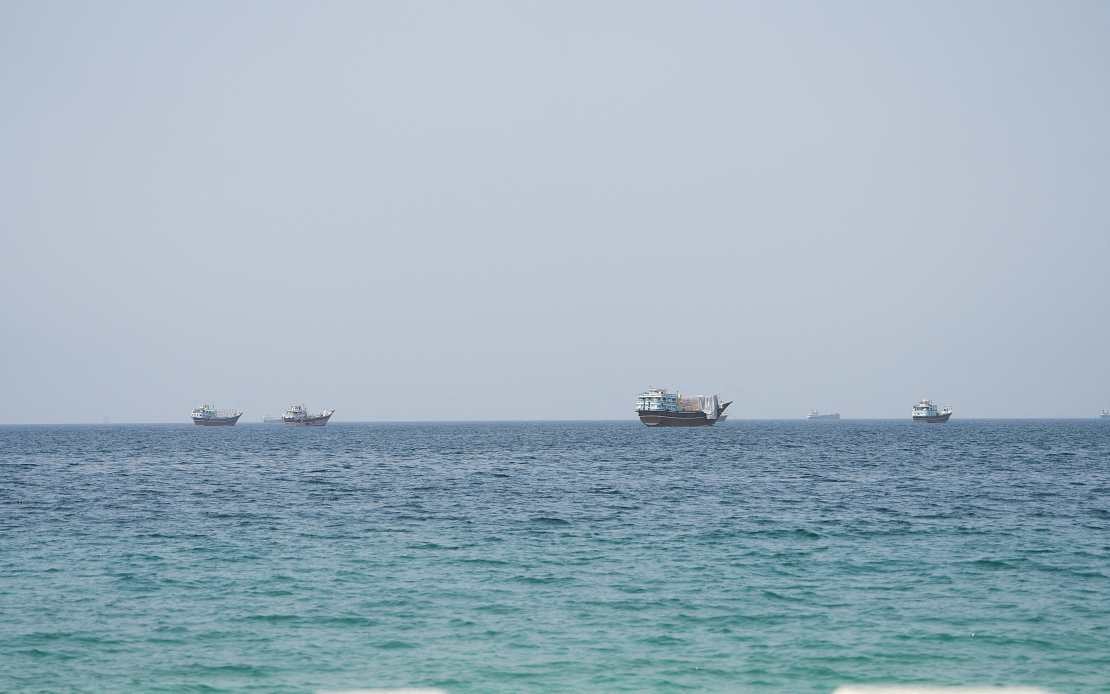
Iran is projecting optimism about bilateral negotiations with Oman regarding the critical Strait of Hormuz, one of the world's most strategically important waterways through which roughly one-third of global maritime trade passes. Speaking at a weekly news conference, Iranian Foreign Ministry spokesman Esmaeil Baqaei characterised the ongoing talks as progressing "smoothly and constructively," signalling that both countries are moving toward resolution on how to manage international shipping through this vital chokepoint. The discussions represent a significant diplomatic effort to stabilise a region that has experienced considerable tension over maritime navigation and security in recent years.
According to Baqaei's remarks, the two nations have already established common ground on fundamental issues. Negotiators have reached consensus regarding the shipping traffic map—essentially the designated safe corridors through which international vessels should transit. This agreement on routing represents meaningful progress, as establishing clear, mutually understood maritime pathways addresses one of the primary concerns that has complicated navigation through the strait. Beyond this foundational achievement, both delegations continue working through the finer technical details necessary to formalise their understanding in a comprehensive joint statement.
The proposed framework aims to create durable mechanisms that will underpin maritime safety and environmental protection in the strait. Iranian officials have stressed that these institutional arrangements will also address what Tehran describes as "maritime crimes," reflecting broader security concerns in the region. Additionally, the talks have established clarity regarding the financial aspects of maritime services, with both sides acknowledging that legitimate costs and fees associated with providing shipping services to vessels passing through the strait will be appropriately charged and collected.
For Malaysia and other Southeast Asian nations dependent on unimpeded Hormuz transit, these negotiations carry substantial implications. The strait remains essential for regional trade networks and energy security, with Malaysian shipping and commerce particularly sensitive to disruptions in this passage. Any agreement that stabilises the waterway and reduces the risk of conflict or unilateral closures benefits trading nations across Southeast Asia and beyond. The emphasis on environmental protection is equally relevant for Malaysia, given the ecological sensitivity of regional waters and the maritime industry's environmental footprint.
Tehran has framed the bilateral engagement with Muscat as a purely technical exercise divorced from broader political disputes. Baqaei explicitly stated that discussions with Oman concern only the determination of safe international shipping routes and carry no connection to the political tensions that have characterised US-Iran relations. This characterisation appears designed to project an impression of normalcy and depoliticisation, suggesting that Iran views maritime security as a matter of practical necessity rather than geopolitical leverage.
However, Iran's negotiating position remains conditional and tied to demands directed at the United States. Baqaei asserted that the Strait of Hormuz will not be fully reopened until Washington capitulates to Tehran's core requirements, which include terminating the naval blockade of Iranian ports. This statement reveals the complex layering of the maritime negotiation—while bilateral talks with Oman proceed on technical grounds, the ultimate reopening of the strait hinges on resolution of US-Iran grievances that extend far beyond Omani-Iranian relations.
The backdrop to these current discussions involves a June memorandum of understanding signed by Iran and the United States, brokered through the diplomatic intermediation of Pakistan and Qatar. That agreement tentatively halted active hostilities and created space for broader negotiations regarding the restoration of commercial navigation. The memorandum envisioned a phased normalisation of shipping through the strait, representing a potential breakthrough after a period of heightened military tensions. Yet implementation of the memorandum has stalled considerably, with each side accusing the other of breaching its terms, creating frustration and uncertainty about whether the diplomatic gains can be translated into sustainable arrangements.
The impasse reflects the fundamental distrust characterising US-Iran relations and suggests that technical discussions between Iran and Oman, while genuinely progressing, operate within constraints imposed by the broader geopolitical standoff. For regional stakeholders, this dynamic presents an uncomfortable reality: maritime stability may depend partially on resolving disputes between Tehran and Washington that extend beyond the strait itself. The willingness of both Iran and the United States to engage in mediated negotiations through friendly intermediaries like Oman, Pakistan, and Qatar demonstrates some commitment to de-escalation, yet the slowness of breakthrough indicates the depth of disagreement.
Baqaei's discussion of Iran's UN General Assembly delegation composition adds another dimension to understanding Tehran's diplomatic posture. The fact that decisions regarding Iran's representation at this significant multilateral forum remain unsettled suggests ongoing internal deliberations about strategy and messaging. Iran's approach to the UN gathering in September will likely reflect its broader diplomatic positioning, including how it presents both the Strait of Hormuz negotiations and the relationship with the United States to the international community.
For Malaysian policymakers and business leaders, the trajectory of these Hormuz negotiations warrants close monitoring. Any deterioration in the Iran-Oman talks or failure to implement the US-Iran memorandum could rapidly destabilise the strait and impose significant costs on regional commerce. Conversely, successful completion of a comprehensive agreement could restore confidence among maritime operators and shipping insurers, reducing the risk premiums currently embedded in transit costs through the waterway. The constructive framing offered by Iranian officials suggests genuine engagement, yet the conditional nature of their broader positioning indicates that fundamental questions about the strait's future remain unresolved.

