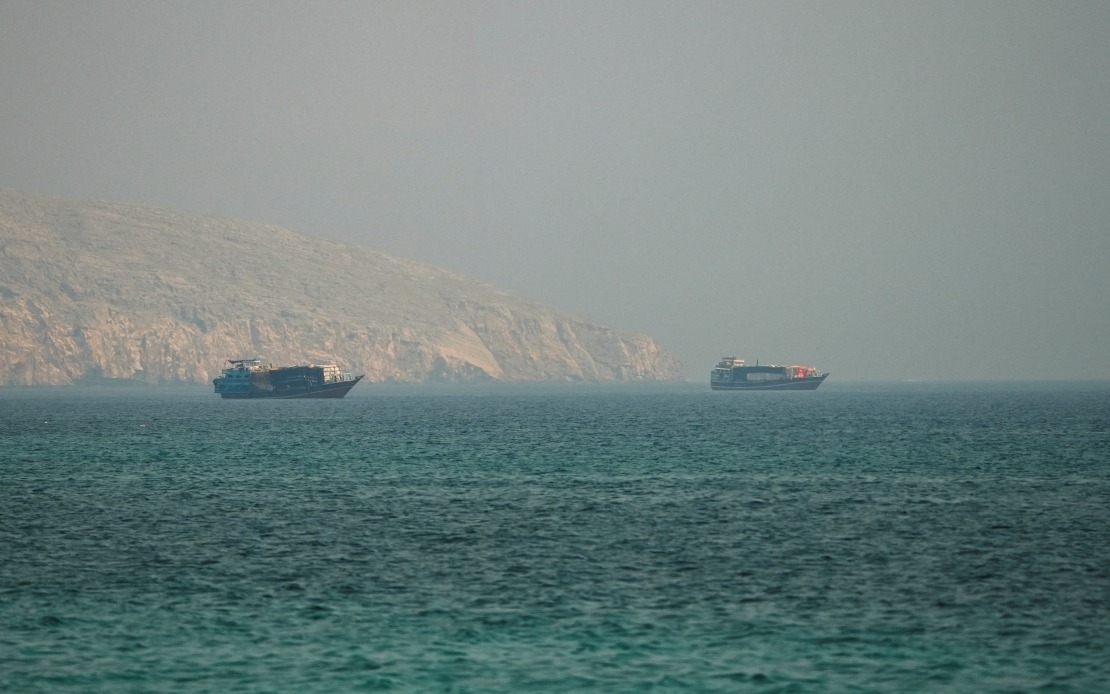
Tehran escalated its rhetoric against Washington on Saturday through a stark warning delivered by Mohammad Bagher Zolghadr, secretary of Iran's Supreme National Security Council. Speaking through state media, Zolghadr cautioned that persistence of American maritime operations in the region would not merely restrict traffic through the strategically vital Strait of Hormuz but could precipitate a complete closure of multiple critical waterways. The threat marks a significant intensification in the already volatile standoff between the two nations, signalling Iran's willingness to weaponise its geographic control of crucial global shipping arteries.
The timing of this declaration carries particular weight given the geopolitical landscape. The United States military's Central Command formally reinstated a maritime blockade against Iran on July 14 under explicit directives from President Donald Trump, representing a hardened approach to constraining Iranian activities in the Persian Gulf. This reinstatement follows months of escalating military tension, with Washington conducting strikes targeting Iranian interests while Tehran has responded with retaliatory attacks on American military installations and equipment stationed throughout the region. The cycle of tit-for-tat military action has created an unpredictable environment where miscalculation poses genuine risks.
Iranian officials framed their position as a defensive response to what they characterised as American provocation. Zolghadr's statement emphasised that Washington's continuation of what Tehran views as unlawful maritime restrictions would necessitate Iranian countermeasures. The rhetoric suggests that Iranian decision-makers perceive the blockade not merely as an economic tool but as an act of aggression requiring proportionate response. This framing seeks to position any Iranian action as justified retaliation rather than unprovoked aggression, a distinction that matters significantly for international diplomatic positioning.
The economic implications of this standoff are substantial and extend far beyond the immediate bilateral dispute. The Strait of Hormuz serves as one of the world's most critical petroleum transit points, with approximately one-third of globally traded seaborne oil passing through its narrow waterways annually. Any disruption to traffic through this chokepoint would reverberate through international energy markets, potentially triggering sharp increases in crude oil prices and creating cascading economic consequences across global supply chains. For Southeast Asian nations dependent on Middle Eastern energy supplies, particularly Malaysia, any sustained closure would directly threaten energy security and increase fuel costs for consumers and industries alike.
Zolghadr's reference to consequences befalling the American economy and voters carries implicit electoral messaging. With November's congressional elections approaching, the Iranian official appeared to calculate that rising energy prices and economic disruption would inflict political damage on the Trump administration and its supporters. This suggests Iranian strategists are factoring American domestic politics into their calculations, betting that economic pain might shift American public opinion away from confrontational policies. The tactic reflects a sophisticated understanding of how external crises intersect with internal political pressures in democracies.
The fundamental disagreement between the two powers concerns governance of maritime transit through the Strait of Hormuz. Washington demands that Iran cease attacks on commercial shipping and guarantee unobstructed passage for all vessels, reflecting American interests in maintaining open global trade routes and protecting commercial shipping. Conversely, Tehran insists that any vessels transiting through waters adjacent to its coastline must operate under regulatory mechanisms that Iran would administer, essentially claiming sovereignty over navigation in those waters. This competing claim to authority over maritime passage represents an irreconcilable position absent significant diplomatic compromise.
The current crisis reflects deeper structural tensions in US-Iran relations that extend well beyond immediate maritime disputes. The American withdrawal from the Joint Comprehensive Plan of Action in 2018 and subsequent reimposition of severe economic sanctions fundamentally altered the relationship and removed established diplomatic channels for managing disputes. Without functioning negotiation mechanisms or trust between capitals, each side interprets the other's actions through a lens of maximum suspicion, creating a security dilemma where defensive measures by one party appear threatening to the other.
For regional powers and maritime trading nations, this escalating confrontation presents genuine challenges. Malaysia and other Southeast Asian countries maintain substantial economic stakes in Middle Eastern stability and depend on uninterrupted energy supplies from the region. Prolonged military tension or actual closure of key waterways would disrupt supply chains, increase transportation costs, and force difficult policy choices about balancing relationships with American and Iranian interests. The possibility that Iran might follow through on its closure threats, even partially, could justify American military responses that further destabilise the region.
The military dimension of this crisis should not be underestimated. Both the United States and Iran have demonstrated willingness to conduct military operations in recent weeks, and rhetorical escalation often precedes actual military confrontation. Iranian threats to close the Strait of Hormuz are not merely symbolic posturing; they represent a credible capability given Iran's naval forces and weapons systems positioned throughout the Persian Gulf. Similarly, American military assets in the region vastly exceed Iranian capabilities, meaning any attempt by Tehran to enforce a blockade would likely trigger direct military response.
Diplomatic resolution appears increasingly remote given the hardened positions on both sides. Neither party shows signs of meaningful flexibility on core demands, and the absence of direct diplomatic channels means that miscommunication and misinterpretation of intentions become more likely. The international community, including regional actors and global trading powers, faces limited options for de-escalation without significant concessions from one side or the other.
For Malaysia and Southeast Asia more broadly, the situation demands careful monitoring and contingency planning. Energy security strategies should account for potential disruption to Middle Eastern supplies, diversification of energy sources becomes increasingly valuable, and maintaining diplomatic relationships with both the United States and Iran provides useful leverage for protecting regional interests. The coming months will likely determine whether this crisis can be managed through diplomacy or whether military escalation forces a more dangerous path.

