Iran's Parliament Speaker Mohammad Bagher Qalibaf, who also serves as the country's chief negotiator, arrived in Oman on Monday for high-level talks aimed at formulating fresh arrangements to govern the Strait of Hormuz. Accompanying him was Abbas Araghchi, Iran's top diplomat, in what marks a significant diplomatic engagement between Tehran and Muscat on one of the world's most critical maritime chokepoints.
The Iranian delegation received an official welcome from Oman's Foreign Minister Badr Albusaidi upon arrival, signalling the importance Muscat attaches to these discussions. The timing of the visit reflects Iran's broader diplomatic push following intensive negotiations elsewhere, with Qalibaf having just concluded extended talks with American representatives in Switzerland and made a strategic return to Tehran before heading to the Gulf sultanate.
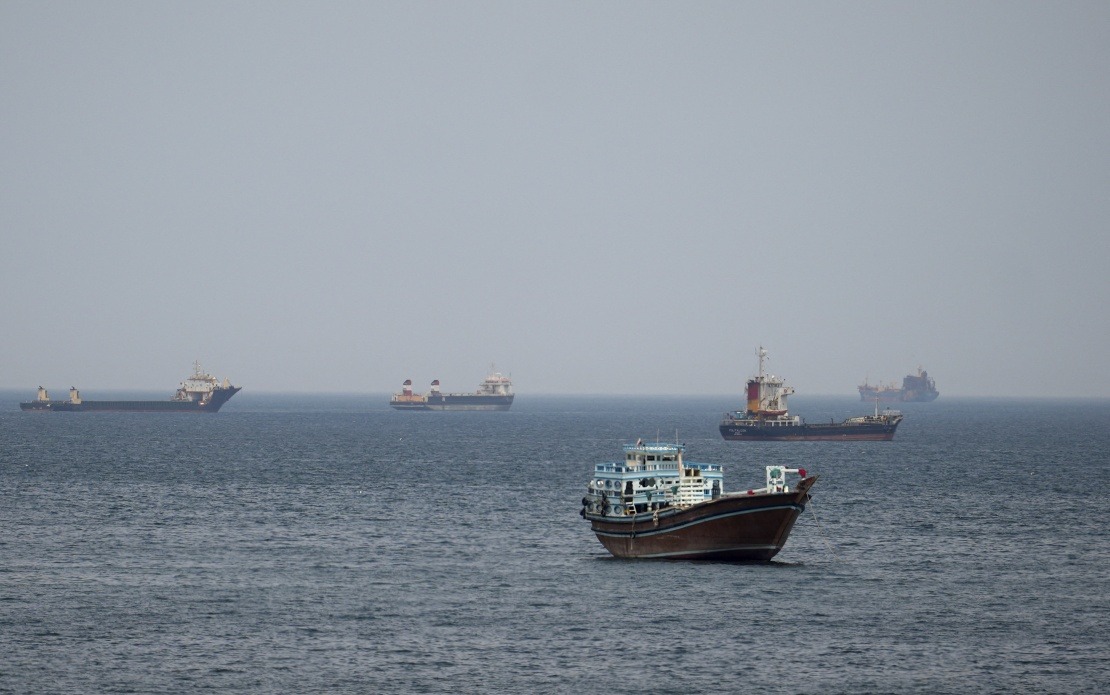
Central to these discussions is the establishment of a new operational framework for the Strait of Hormuz, through which roughly one-third of global maritime petroleum trade flows annually. For Malaysia and other regional economies heavily dependent on stable energy supplies and uninterrupted maritime commerce, the outcome of these negotiations carries significant implications. Any framework agreement could reshape how shipping routes through the waterway are managed and how regional powers coordinate on maritime security.
Oman's role as a mediator and neutral party in regional tensions has long positioned it as an ideal venue for such sensitive talks. The sultanate, which shares both the Persian Gulf and Arabian Sea coastlines, has traditionally maintained balanced relations with neighbouring Iran while cooperating with other Gulf Cooperation Council members. This diplomatic positioning makes Oman uniquely suited to facilitate discussions that bridge competing interests in one of the world's most geopolitically contested bodies of water.
According to statements from Oman's official news agency, both Tehran and Muscat emphasized the critical importance of seizing the current diplomatic window to advance peace initiatives and reinforce de-escalation measures. The two nations reaffirmed their commitment to upholding international law and the principle of neighbourly relations, reflecting an effort to ground their discussions in internationally recognized legal frameworks rather than unilateral actions.
Beyond immediate security concerns, the talks encompass broader questions about preserving regional stability and guaranteeing safe passage for commercial vessels traversing the strait and other international waterways. For Southeast Asian nations, including Malaysia, which maintain significant maritime trade routes through these waters, assurances regarding safe navigation are economically vital. Disruptions to shipping in the Strait of Hormuz would reverberate through global supply chains and directly impact regional economies dependent on energy imports and export logistics.
The visit follows an intensive round of negotiations between Iran and the United States that concluded in Switzerland just days earlier. Those talks, mediated by Pakistan and Qatar, focused on implementing a recently concluded memorandum of understanding between Tehran and Washington. That eighteen-hour negotiation session underscores the complexity of current diplomatic efforts and the multiple negotiating tracks that Iran is simultaneously managing.
Qalibaf's diplomatic agenda in Oman extends beyond the strait framework discussions. He is also scheduled to meet with Omani Sultan Haitham bin Tariq to explore bilateral cooperation opportunities and address broader questions of regional coordination. Such high-level meetings typically encompass trade relations, security partnerships, and strategic alignment on regional issues, suggesting that the Iranian delegation views this visit as foundational to strengthening ties across multiple dimensions.
The convergence of these diplomatic activities—first in Switzerland with American officials, then in Tehran for policy recalibration, and subsequently in Oman for regional negotiations—reflects Iran's calculated approach to multilevel diplomacy. By engaging simultaneously with various stakeholders, Tehran appears to be testing the viability of different tracks while attempting to build consensus around a new management structure for the strait that accommodates regional security concerns.
For Malaysian policymakers and businesses, these developments warrant close monitoring. Malaysia's position as a major maritime trading nation and energy-dependent economy means that any agreement reshaping Hormuz transit arrangements could affect shipping costs, insurance premiums, and energy availability. The outcome of Oman talks may eventually influence maritime governance frameworks that extend beyond the Persian Gulf.
The emphasis both parties placed on de-escalation and stability aligns with broader international preferences for reducing tensions in the region. Regional conflict or maritime disruptions in the Strait of Hormuz would have cascading effects throughout Southeast Asia's economies, making the success of these negotiations relevant far beyond the Middle East's immediate geography.
As these talks progress, the diplomatic signals being sent—particularly the willingness of all parties to engage in structured negotiations and the focus on international law—suggest movement toward institutionalizing maritime management frameworks. Whether this process ultimately yields a formal agreement or establishes groundwork for future arrangements remains uncertain, but the very occurrence of such high-level consultations indicates that stakeholders recognize the necessity of cooperative solutions to regional maritime challenges.