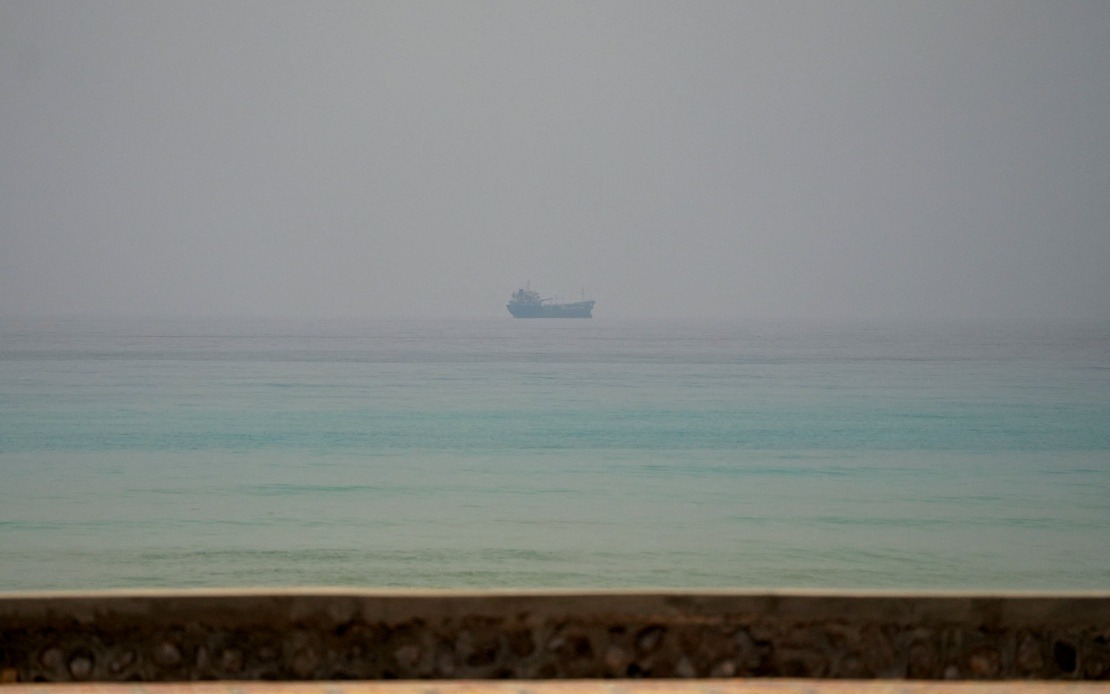
Iran's Parliament Speaker Mohammad Bagher Qalibaf has escalated rhetoric surrounding the strategically vital Strait of Hormuz, asserting that the waterway will function solely on Tehran's conditions rather than under pressure from Washington. Speaking via social media on Thursday, Qalibaf's uncompromising statement reflects intensifying tensions between the two nations following another wave of US military operations against Iranian targets across the country's southern and southeastern regions.
The Parliament Speaker's declaration came in response to American strikes that the US Central Command later confirmed had targeted Iranian positions with the stated objective of undermining Iran's capacity to threaten maritime navigation through one of the world's most critical chokepoints. Qalibaf's combative messaging signals that Iran views these military actions not as deterrents but as provocations that will only harden its negotiating stance on the broader regional security question.
The Strait of Hormuz represents one of Asia's most economically significant maritime passages, with roughly one-fifth of global crude oil transiting through its narrow waters daily. For Malaysia and other Southeast Asian nations heavily dependent on energy imports, the security and freedom of navigation through this corridor directly impacts national economic stability and industrial competitiveness. Any sustained disruption or assertion of Iranian control over traffic through the strait carries profound implications for regional energy prices and supply chains across East and Southeast Asia.
Qalibaf's rhetoric employs a deliberate strategic messaging approach, framing Iranian sovereignty over the waterway as non-negotiable whilst simultaneously positioning Tehran as the aggrieved party responding to external aggression. His statement that "bullying and breaking promises no longer come without cost" references broader Iranian grievances regarding the 2015 nuclear agreement, which the United States abandoned in 2018, and portrays current American military operations as continuations of longstanding antagonism rather than isolated incidents.
The "tit-for-tat" escalation dynamic reflected in Qalibaf's warning—"If you strike, you will be struck"—indicates that Tehran views each round of American military action as justifying corresponding Iranian responses. This reciprocal framework differs markedly from previous crisis periods wherein diplomatic backchannels might have prevented rapid acceleration toward confrontation. The absence of visible diplomatic engagement suggests both parties are locked into an action-reaction cycle with diminishing prospects for de-escalation without external intervention.
The specific targeting of Iranian capabilities related to maritime threats reveals Washington's concern about potential Iranian asymmetric responses in the strait itself. These could range from harassing commercial shipping through small naval vessels and drones to mining operations or targeting critical infrastructure. The US military's emphasis on degrading Iran's ability to execute such operations suggests American planners view the threat level as sufficiently elevated to warrant preemptive strikes designed to reduce Iranian operational capacity below what Washington considers an unacceptable threshold.
From a regional stability perspective, Southeast Asian governments maintain careful diplomatic balance between avoiding explicit alignment with American security objectives whilst ensuring their own maritime interests remain protected. Malaysia, as a major oil importer and trading nation dependent on unobstructed sea lanes, has substantial interests in preventing the Strait of Hormuz from becoming a zone of active military confrontation. Any sustained Iranian assertion of control over traffic patterns could disrupt Malaysian commerce and potentially entangle the country in broader geopolitical disputes.
Iran's parliamentary leadership, through Qalibaf's statements, appears to be signalling domestic audiences that Tehran will not capitulate to military pressure whilst simultaneously warning international actors that Iranian retaliation mechanisms remain operational and will be deployed if provoked further. This dual messaging serves multiple constituencies: it reinforces nationalist credentials among Iranian hardliners whilst attempting to deter further American military action through credible threat communication.
The absence of any indication that negotiations or diplomatic initiatives might interrupt the current escalatory pattern underscores how thoroughly the Iran-US relationship has deteriorated. Unlike previous crisis moments when third-party mediation or back-channel discussions occasionally created off-ramps for de-escalation, current circumstances feature no visible diplomatic infrastructure designed to manage the cycle of military actions and counteractions. This structural absence of negotiating mechanisms increases the probability of miscalculation whereby localized military incidents spiral into broader confrontation.
For Malaysia and the Southeast Asian region broadly, this intensifying Iran-US confrontation presents strategic challenges that transcend traditional security frameworks. Southeast Asian nations increasingly find themselves navigating great power competition whilst maintaining economic relationships across multiple regional and global powers. The Strait of Hormuz crisis exemplifies how distant geopolitical conflicts can rapidly create tangible economic consequences for nations with limited direct involvement in the underlying dispute, rendering regional governments vulnerable to external shocks beyond their immediate control or influence.

