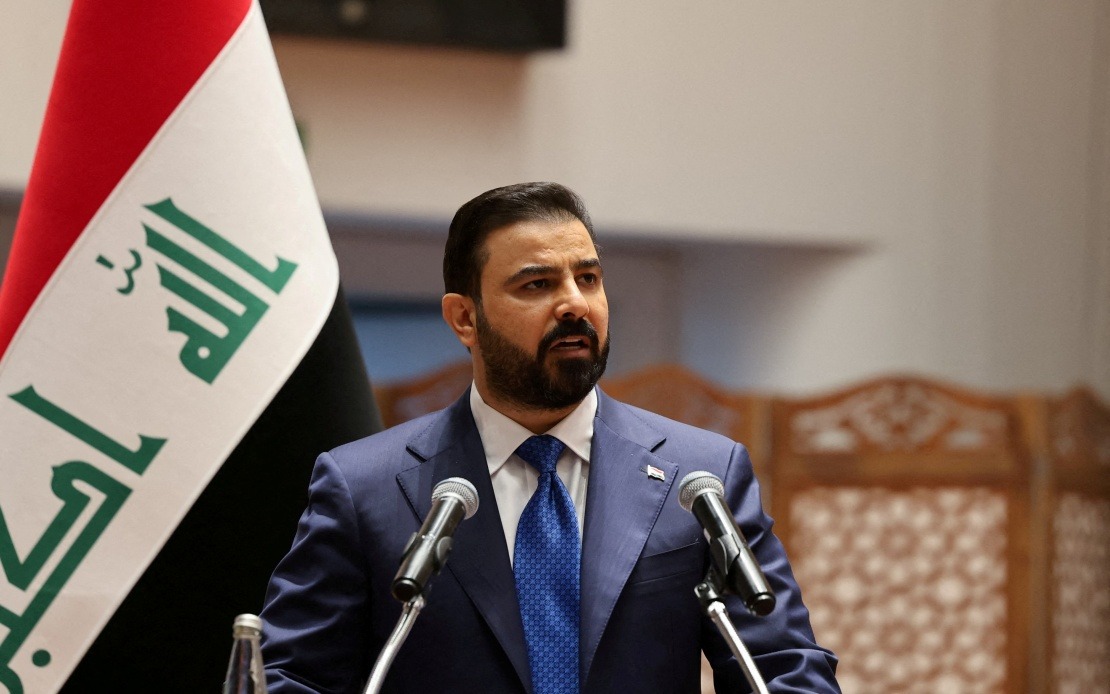
Iraq has signalled unwavering commitment to its membership in OPEC, with Prime Minister Ali Al-Zaidi dismissing any possibility of withdrawal from the organization. Speaking to Al-Hadath broadcaster on Thursday, Al-Zaidi made clear that Baghdad intends to remain within the cartel's fold whilst pursuing what it considers an equitable allocation of production rights. The declaration represents a significant reaffirmation of Iraq's strategic positioning within the Middle Eastern oil bloc at a time when global energy markets remain volatile and geopolitical tensions continue to reshape commodity flows across the region.
The Prime Minister's remarks underscore a broader narrative within Iraqi energy policy: the country seeks not to abandon OPEC but rather to secure recognition of its productive capacity and future potential. Iraq's oil sector remains central to government revenues and economic stability, making the terms of OPEC membership a matter of considerable national importance. Al-Zaidi's language—emphasizing fairness rather than making demands—suggests Baghdad is pursuing a negotiated settlement with the cartel rather than confrontation, a pragmatic approach given Iraq's need for international cooperation in rebuilding its hydrocarbon infrastructure following decades of conflict.
The context for these remarks emerged from OPEC's June 5 decision to adjust production quotas across several member states. Iraq received a production increase of 26,000 barrels per day, bringing its permitted output to 4.405 million bpd. Kuwait secured an increase of 16,000 bpd to reach 2.66 million bpd, while Oman was allocated an additional 5,000 bpd to 836,000 bpd. For Iraq, this adjustment represented recognition of expanded capacity, yet Baghdad's insistence on pursuing further quotas suggests the current allocation may not fully reflect the country's assessed production potential or its ambitions for oil sector expansion.
The broader backdrop involves OPEC+ conducting technical assessments of Iraqi oil production capabilities. According to Salim Al-Ruqabi, spokesman for Iraq's Oil Ministry, the organization commenced a comprehensive review of Baghdad's productive capacities in June specifically to evaluate whether existing quotas warrant revision. This assessment mechanism indicates that OPEC+ acknowledges Iraq's potential for increased output and recognizes that previous allocations may have underestimated the country's capabilities. For Malaysian and Southeast Asian observers, Iraq's negotiations within OPEC carry implications for regional energy security and crude oil pricing structures that affect economies across East and Southeast Asia.
Iraq's position within OPEC reflects a complex geopolitical reality. The country possesses vast proven oil reserves—among the world's largest—yet has struggled to realize their full potential due to security challenges, infrastructure deficiencies, and institutional constraints. Production capacity has fluctuated significantly based on security conditions in major oilfields, particularly in the south where international companies operate under production-sharing contracts. Any sustainable increase in Iraqi output requires not merely OPEC approval but also ongoing foreign investment, technical expertise, and a stable operating environment that has historically proven elusive.
The question of production quotas carries weight far beyond Baghdad's borders. Iraq remains a critical supplier to global markets, and increases in its output can influence crude prices that affect importing nations throughout Asia and beyond. Malaysia, as an energy-intensive economy and crude consumer, benefits from stable and adequate supply flows from OPEC members. Conversely, quota restrictions that constrain Iraqi production contribute to upward price pressures that increase import costs for Southeast Asian nations. Al-Zaidi's pursuit of fairer allocations, therefore, intersects with broader interests across the region.
Iraq's commitment to OPEC membership also reflects institutional pragmatism. Withdrawal would isolate Baghdad from a cartel that, despite internal disagreements, provides mechanisms for coordinating production and prices. OPEC membership offers Iraq a negotiating platform and legitimacy within global energy governance structures. The organization, despite periodic tensions between members, remains the primary forum where producing nations collectively influence crude markets. For a country rebuilding its economy and seeking to maximize resource revenues, membership provides strategic advantages that withdrawal would sacrifice.
The technical assessment of Iraqi productive capacity will likely prove decisive in subsequent quota discussions. Iraq has invested considerably in rehabilitating oilfields damaged during conflicts and expanding infrastructure to support higher throughput. International oil companies operating there, including Shell, ExxonMobil, and others, have undertaken development projects aimed at boosting production. If these initiatives succeed in demonstrating genuine capacity expansion, OPEC may prove receptive to allocating higher quotas, particularly if done through consensus mechanisms that avoid contentious negotiations.
Al-Zaidi's emphasis on fairness rather than specific numerical targets suggests Baghdad recognizes the need for consensus-building within OPEC. The organization operates through agreement among members with widely divergent interests, production costs, and fiscal needs. Saudi Arabia, the de facto leader, must balance maintaining prices at levels supporting its fiscal requirements while preventing them from rising so high that they encourage alternative energy investments or demand destruction. Iraq's negotiating position depends partly on demonstrating its capability and partly on securing influential members' support for higher allocations.
Looking ahead, Iraq's energy trajectory remains consequential for regional stability and global energy markets. Enhanced production capacity could generate additional government revenues, potentially strengthening Baghdad's ability to address security challenges, rebuild institutions, and deliver services. Conversely, insufficient production allocations might frustrate national development ambitions and create political pressures domestically. The current OPEC assessment process essentially constitutes a technical evaluation that will inform policy outcomes affecting Iraq's economic prospects and, indirectly, energy availability and pricing across Southeast Asia.

