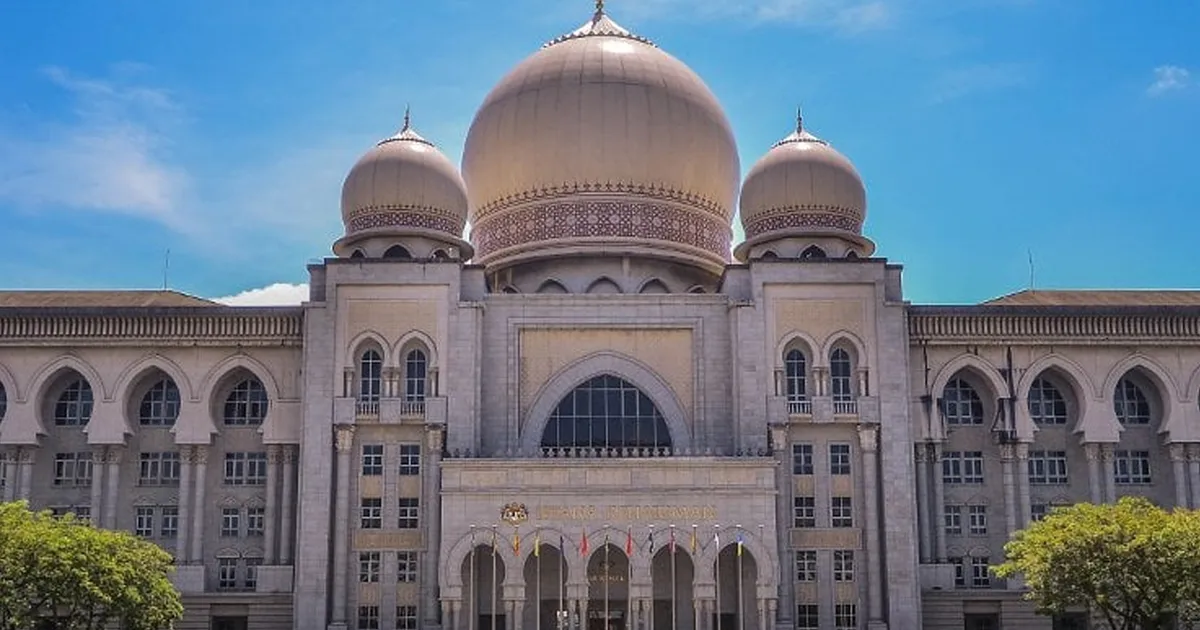
Pertubuhan Ikram Malaysia is escalating its legal battle by seeking intervention from the apex court, attempting to overturn a significant judgment that has constrained the defamation rights of registered societies across the country. The Islamic advocacy group has lodged ten constitutional and legal questions before the nation's highest judicial authority, directly challenging the reasoning behind a Court of Appeal decision that fundamentally limited the legal standing of such organisations in defamation proceedings.
The underlying dispute centres on a contentious principle of Malaysian law: whether registered societies, which encompass thousands of charitable, religious, and civil organisations, possess the legal capacity to be considered as entities capable of sustaining reputational harm. The lower appellate court concluded they do not, reasoning that only natural persons and certain incorporated entities possess genuine reputation requiring legal protection. This interpretation has created a substantial gap in legal recourse for organisations that operate extensively within Malaysian civil society but lack the formal corporate structures that courts have traditionally recognised as worthy of defamation protection.
Pertubuhan Ikram Malaysia's decision to pursue this matter to the Federal Court signals the growing frustration among civil society organisations with judicial interpretations that appear to leave them vulnerable to unchecked public attacks without adequate legal remedies. The organisation has framed its challenge not merely as a personal grievance but as a systemic question affecting the entire landscape of non-governmental activity in Malaysia. By raising multiple legal questions rather than a single point of law, the NGO is deliberately inviting the apex court to reconsider foundational assumptions about how Malaysian jurisprudence treats institutional actors within the broader framework of constitutional rights and protections.
The ten questions submitted likely traverse several jurisprudential territories. They may challenge the narrow interpretation of legal personality applied to registered societies under the current legal regime. They might also probe whether the Constitution's guarantees of reputation and dignity extend implicitly to collective entities that serve important social functions. Additionally, the questions could address whether existing defamation law adequately reflects contemporary realities, where organisations rather than individuals often serve as primary targets for reputational attacks, particularly in the digital age where coordinated campaigns can inflict measurable damage to organisational standing and capacity to operate effectively.
For Malaysian civil society, this case carries implications that extend far beyond the specific dispute. Religious and community organisations have grown increasingly prominent in public discourse, particularly regarding social policy, education, and cultural matters. If these bodies cannot legally protect themselves against false or damaging statements, their ability to participate robustly in democratic debate becomes compromised. They must weigh the costs of public engagement against vulnerability to reputational harm without legal recourse, a calculation that may chill the very civil society participation that democratic systems require.
The Court of Appeal's reasoning, should it stand, effectively creates a two-tier system where incorporated companies and individuals enjoy defamation protection, while thousands of grassroots and advocacy organisations operate in a legal twilight zone. This distinction becomes particularly problematic when considering that many registered societies serve vulnerable populations or address contentious public issues where false attribution of views or malicious mischaracterisation could seriously impair their mission and standing within communities they serve.
Regionally, this debate reflects broader questions about how common law jurisdictions adapt defamation doctrine to modern organisational realities. Several other Commonwealth nations have grappled with similar issues, with varying outcomes. Some courts have begun recognising that modern civil society requires legal frameworks accommodating collective actors, while others have maintained conservative positions. Malaysia's apex court decision will likely influence how other jurisdictions in the region approach similar questions about legal personality and institutional vulnerability.
The legal arguments before the Federal Court will probably examine whether the rationale for defamation protection—the principle that false statements causing reputational injury warrant remedy—applies with equal or similar force to organisations. If reputation serves a social function by allowing persons and entities to be known truthfully within their communities, then excluding entire categories of organisations from protection creates artificial and potentially unjust gaps. Conversely, courts traditionally worried about allowing organisations too-ready access to defamation suits, fearing restrictions on legitimate criticism and satire directed at institutional conduct and policy.
Pertubuhan Ikram Malaysia's challenge arrives at a moment when Malaysian courts are increasingly called upon to balance competing interests in free expression, institutional protection, and civil society vitality. The apex court's response will signal whether the judiciary is willing to reconsider settled assumptions about legal personality in light of Malaysia's contemporary landscape. Should the Federal Court overturn the Court of Appeal, it would likely trigger substantial revision of how registered societies approach legal protection across multiple domains, not merely defamation but potentially contract enforcement and other matters contingent on legal personality.
The timing of this escalation also matters contextually. Civil society organisations across Malaysia have become more vocal on various social and political issues in recent years. A judgment that strengthens their legal standing could embolden more organisations to assert reputational claims, while a decision upholding current restrictions might further marginalise institutional actors from full participation in legal frameworks governing public discourse.

