The withholding of a Royal Commission of Inquiry report into the operations of Lembaga Tabung Haji has reignited questions about governmental transparency, with critics now demanding that former prime minister Datuk Seri Ismail Sabri Yaakob provide a public justification for the extended secrecy surrounding the document. The RCI report, which examined the fund manager, was kept from public view for nearly four years—a period that spans the entirety of Ismail Sabri's tenure as prime minister and extends into the current administration.
Tabung Haji, Malaysia's Islamic pilgrim fund, serves millions of Muslim Malaysians who save with the institution specifically to finance their sacred journeys to Mecca. The fund's governance and financial health are matters of considerable public interest given the trust placed in it by depositors from all walks of society. Any inquiry into its operations carries significant weight, making the prolonged concealment of investigative findings all the more contentious from a public accountability standpoint. The decision to withhold the RCI report has drawn scrutiny not only from opposition figures but also from governance advocates who argue that such suppression undermines democratic principles of transparency.
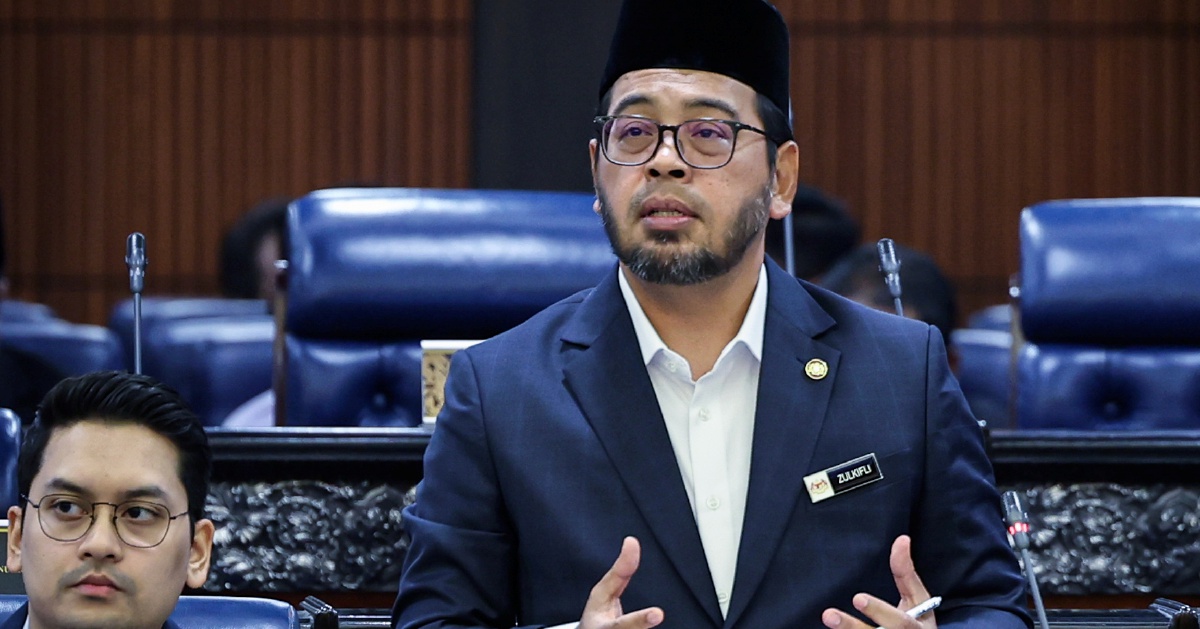
Zulkifli's intervention represents a broader pattern of questioning about institutional openness under the previous administration. The former prime minister's government faced recurring calls for greater disclosure on various matters of public concern, and the Tabung Haji situation has become emblematic of broader concerns about information access. Critics contend that without clear rationale for withholding such reports, public trust in government institutions erodes, particularly when those institutions manage funds that belong to ordinary citizens.
The timing of the report's eventual release or continued concealment has implications beyond mere administrative procedure. Malaysia's financial sector, including Islamic banking and investment institutions like Tabung Haji, operates within a framework that increasingly emphasizes corporate governance and transparency standards. International investors and observers often assess a nation's financial credibility partly through the lens of how authorities handle disclosure of significant investigative findings. Prolonged secrecy around institutional reviews can send mixed signals about a country's commitment to financial transparency.
Tabung Haji itself has faced scrutiny in recent years over various operational and investment decisions. The fund has made significant property investments and faced questions about asset management strategies, particularly during periods of economic volatility. An RCI—a formal investigative body with statutory authority—would naturally focus on governance structures, decision-making processes, and financial stewardship. The findings from such an inquiry would ordinarily be of intense interest to depositors and their representatives in parliament.
The question of why information was withheld also touches on broader debates about executive power in Malaysia. Prime ministers and their administrations exercise considerable discretion over government documents and reports, but this discretion is not absolute. Constitutional principles and conventions around responsible governance suggest that public interest considerations must weigh heavily in decisions to suppress official inquiries. The Tabung Haji RCI report, being about a public institution managing citizen savings, arguably falls squarely within matters where disclosure serves the public interest.
Legislative oversight provides one mechanism for addressing such concerns. Lawmakers can demand explanations for administrative decisions and push for document release through parliamentary procedures. The fact that questions are being raised now suggests either that the report has recently become public or that the new political configuration has emboldened greater scrutiny of previous administration decisions. Either way, the issue highlights the importance of institutional memory and continuity in accountability mechanisms.
For ordinary Malaysians with deposits in Tabung Haji, the withholding of an RCI report touches personal concerns. Those saving for the hajj pilgrimage are necessarily long-term investors in the fund, and they have legitimate expectations to understand whether their institution operates according to proper governance standards. If investigative findings existed but were suppressed, this arguably violated an implicit social contract between the institution and its depositors regarding transparency about management quality.
The political dimension cannot be ignored entirely. The change in government since Ismail Sabri's administration has altered the balance of power in parliament, making it possible for opposition figures to demand answers that might have been harder to extract previously. This cyclical pattern—where each administration faces questions about decisions made by its predecessor—is not unusual in democracies, but it also underscores why establishing clear norms around transparency is crucial. Ambiguity about when and how to release official reports creates vulnerability to accusations of political cover-ups, warranted or otherwise.
Moving forward, the precedent set by how this situation is resolved matters considerably. If government institutions can withhold RCI reports on major public institutions without clear justification, future administrations may feel emboldened to adopt similar practices. Conversely, transparent explanation of any legitimate reasons for delay—if such reasons existed—could help restore confidence in administrative decision-making. The Malaysian public, and particularly Tabung Haji depositors, deserve clarity on why a significant institutional inquiry was kept secret and what has now changed to permit or require its disclosure.

