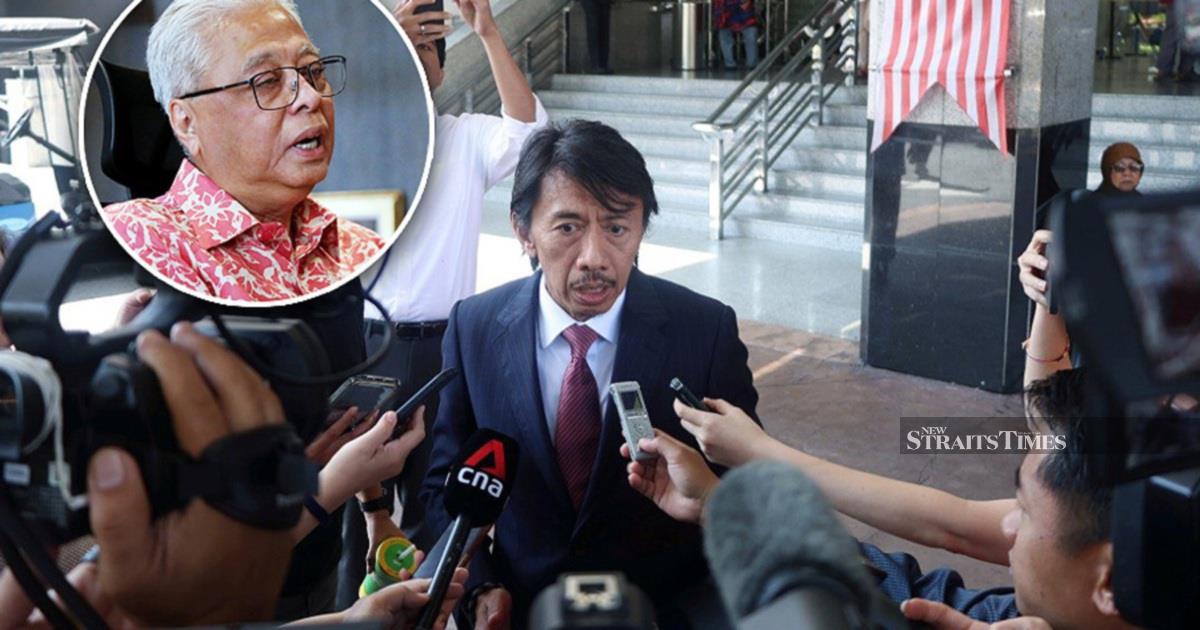
Former Prime Minister Datuk Seri Ismail Sabri Yaakob has signalled his unwavering resolve to clear his name in the face of legal proceedings, as he readies himself for charges expected to be filed under the Malaysian Anti-Corruption Commission Act within weeks. The high-profile case has intensified scrutiny over governance and accountability at the highest echelons of Malaysian politics, with Ismail Sabri's situation serving as a bellwether for how the anti-corruption apparatus functions when dealing with figures of his stature.
The timing of Ismail Sabri's legal challenges arrives at a particularly delicate moment in Malaysian politics. His tenure as Prime Minister from August 2021 to November 2022 represented a transitional period marked by significant economic headwinds, including inflationary pressures and fiscal constraints that continue to affect Malaysian households and businesses. The allegations against him carry symbolic weight beyond the individual case, touching on broader public concerns about executive power and the checks and balances that govern its exercise within the nation's political framework.
Ismail Sabri's determination to proceed despite health setbacks demonstrates the personal toll that protracted legal proceedings exact on public figures in Malaysia. The intersection of political accountability and personal wellbeing presents a genuine dilemma, one that plays out publicly when the individuals involved hold or have held office. His persistence suggests a calculated assessment that clearing his name is worth the physical and emotional strain, particularly given the reputational consequences of political figures being associated with corruption allegations.
The MACC Act provides the legal framework through which Malaysia pursues corruption cases involving public officials and others entrusted with public funds or authority. Charges under this legislation carry substantial penalties and generate intense public and media attention, shaping not only the defendant's legacy but also influencing broader perceptions about the effectiveness of anti-corruption enforcement. For Ismail Sabri, this proceeding will likely define his post-premiership narrative more than his sixteen-month tenure in office itself.
Regional observers have noted that Malaysia's approach to addressing alleged corruption among former leaders reflects broader patterns across Southeast Asia, where accountability mechanisms exist in tension with political pragmatism. The Ismail Sabri case sits within this complicated landscape, where independent institutions must navigate legitimate prosecution with recognition of an individual's constitutional rights and presumption of innocence. How Malaysian courts handle this case may establish precedents that influence future political accountability efforts.
The former Prime Minister's steadfastness carries implications for his political future within the United Malays National Organisation (UMNO), the party he has long represented. His continued prominence despite legal troubles underscores the complexities of party leadership during periods of institutional crisis. Many observers view his situation as emblematic of UMNO's broader struggles to rehabilitate its image following the 1Malaysia Development Berhad scandal that dominated the previous decade.
Health complications arising during periods of intense legal exposure are not uncommon among high-profile defendants. Such challenges raise questions about access to adequate medical support, the psychological dimensions of extended legal proceedings, and the broader duty of care that society might reasonably extend to individuals navigating the criminal justice system. Ismail Sabri's public acknowledgment of health difficulties while maintaining his legal commitment reflects a pragmatic approach to managing both personal and public dimensions of his situation.
The path ahead involves complex procedural steps within Malaysia's judicial system, including pre-trial hearings, evidence presentation, and potentially lengthy deliberation. Courts will scrutinise allegations against the backdrop of documentary evidence, witness testimony, and legal interpretation of relevant statutes. This methodical process, while necessary for justice, contributes to the extended timeframe during which individuals remain under the cloud of unresolved charges.
For Malaysian civil society and governance observers, the Ismail Sabri proceedings offer an opportunity to assess whether institutional mechanisms designed to combat corruption function equitably across different political circumstances and personal networks. Public confidence in anti-corruption efforts depends partly on consistency in application and perceived fairness in process, concerns that remain under examination as this case proceeds through the courts. The former Prime Minister's determination to contest the allegations suggests he believes the evidence and circumstances will ultimately vindicate his position, a confidence that will be tested through the judicial process currently set to unfold.

