The International Sepaktakraw Federation (ISTAF) has moved forward with formal disciplinary proceedings against members of Thailand's sepaktakraw contingent for their conduct during a controversial team event final at the ISTAF Sepaktakraw World Cup 2026 held in May. The governing body's Disciplinary Committee determined sufficient evidence exists to prosecute five players from Thailand's third regu, along with two coaches and one team manager, following an incident that disrupted international competition and raised questions about sportsmanship at the sport's highest levels.
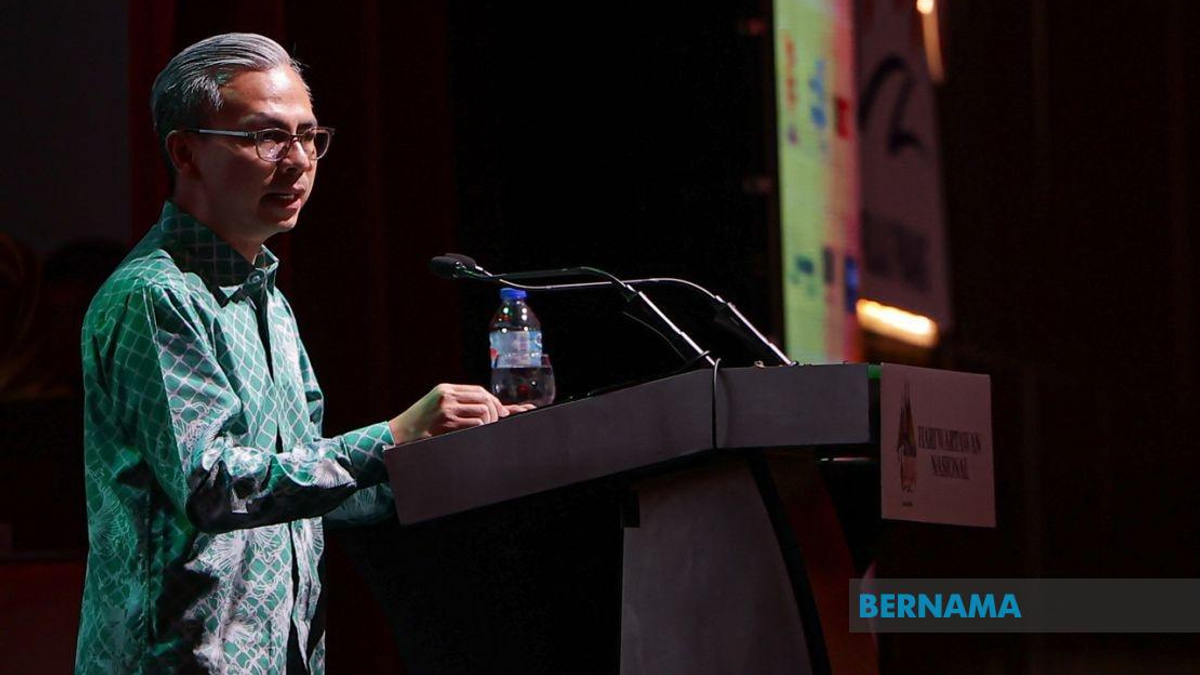
ISTAF Secretary-General Datuk Abdul Halim Kader announced the decision on June 20 after the Disciplinary Committee convened online to evaluate materials submitted throughout the investigation process. The committee's review encompassed detailed reports from match officials who oversaw the contest, a formal complaint filed by the Sepak Takraw Association of Malaysia (PSM), comprehensive video documentation of events, and written responses provided by the Thailand Sepak Takraw Association (TAT). The deliberative approach reflects the seriousness with which the international body regards conduct standards in professional sepaktakraw.
The core allegation centers on the Thai players' alleged refusal to continue competing during the team final against Malaysia, an action the federation characterizes as fundamentally undermining the sport's integrity. The coaching and managerial staff face separate charges for allegedly directing, endorsing, or failing to intervene in the players' actions. Such allegations strike at the heart of professional sports governance, where responsibility cascades through organizational hierarchies and leadership is expected to maintain discipline among competing athletes.
Datuk Abdul Halim emphasized the federation's commitment to addressing the matter with appropriate gravity and impartiality. He framed the disciplinary process not merely as a response to a single incident but as essential safeguarding for the sport's future, particularly given sepaktakraw's prominent positioning within major continental competitions. The remarks carry particular weight as the sport prepares for significant international showcases, with the Nagoya 2026 Asian Games and Doha 2030 Asian Games representing crucial platforms for demonstrating sepaktakraw's maturity as an organized international discipline.
The procedural framework established by ISTAF provides the accused individuals with substantial opportunity to present their perspective. Formal charge letters will be distributed no later than June 20, initiating a 14-day window during which all eight individuals must submit comprehensive written responses addressing the charges. This timeline reflects international sports governance standards that balance the need for timely resolution against the principle of natural justice, ensuring that those facing sanctions have adequate opportunity to prepare substantive defenses before any determination is made.
Following the submission period, the Disciplinary Committee will conduct formal hearings where evidence will be presented and arguments advanced according to procedures outlined in the ISTAF Constitution and Regulations. The hearing process represents the critical juncture where the federation will examine the specific circumstances surrounding the May 23 incident, weigh competing narratives, and determine appropriate consequences based on established regulatory frameworks. The deliberative nature of this proceeding suggests the committee recognizes complexities that may extend beyond surface-level facts.
Beyond the five players and three officials directly charged, the federation also addressed conduct by seven additional Thai players from the first and second regus who occupied courtside positions during the incident. The committee found these individuals engaged in actions characterized as potentially provocative, though this determination stopped short of the formal charges leveled against their teammates. Instead, the committee issued a stern warning, signaling disapproval while providing an opportunity for reformation without imposing the full weight of disciplinary sanctions.
The seven warned players face binding commitments that reshape their responsibilities within international competition frameworks. They must pledge respect for match officials' decisions, adherence to ISTAF governance documents, abstention from conduct that could disrupt competitions, and maintenance of sportsmanship principles throughout international tournaments. These commitments represent the federation's effort to establish behavioral standards that transcend individual matches and create cultural expectations around professional conduct in sepaktakraw.
The federation has also directed Thailand's national governing body, the Thailand Sepak Takraw Association (TAT), to issue a formal public apology to the international sepaktakraw community and spectators. This requirement operates at the institutional level, holding the national federation accountable for athlete conduct under its stewardship. The apology requirement acknowledges that incidents at this scale reflect not merely individual failings but potentially systemic issues within organizational management and culture.
The circumstances underlying these charges emerged during the May 23 team event final when Thailand withdrew from competition in protest against refereeing decisions. Malaysia was subsequently declared winner by a 2-1 margin through the withdrawal mechanism. The incident generated substantial discussion about standards in international sepaktakraw, raising questions about how disputes should be resolved and whether withdrawal represents an appropriate response to officiating disagreements. The federation's formal response through disciplinary channels suggests institutional determination to prevent similar incidents from recurring.
For Malaysian readers and the broader Southeast Asian sepaktakraw community, these proceedings carry significant implications. Malaysia's triumph in the contested final now receives institutional validation through the disciplinary process, reducing lingering uncertainty about the match's legitimacy. Additionally, the federation's firm response demonstrates commitment to protecting the sport's credibility during a period when sepaktakraw seeks greater global recognition and respect alongside established Olympic sports.
The formal proceedings also illuminate broader governance challenges within international sports bodies operating across Southeast Asia, where cultural differences and competitive intensity sometimes collide with regulatory frameworks developed through international consensus. How ISTAF resolves this case may establish precedent for handling similar situations, potentially shaping the federation's authority and effectiveness during future major competitions.
The timeline for completing these disciplinary proceedings remains uncertain, though the 14-day response period followed by committee hearings suggests resolution may extend across several weeks. The outcomes will likely influence discussions about player conduct standards, coaching responsibilities, and national federation accountability within Southeast Asian sepaktakraw circles for years to come.
%22%2F%3E%3C%2Fpattern%3E%3C%2Fdefs%3E%3Crect%20width%3D%22100%25%22%20height%3D%22100%25%22%20fill%3D%22url(%23ph34otjg)%22%2F%3E%3Crect%20width%3D%22100%25%22%20height%3D%22100%25%22%20fill%3D%22url(%23ph34otjp)%22%2F%3E%3Ctext%20x%3D%2250%25%22%20y%3D%2250%25%22%20text-anchor%3D%22middle%22%20dominant-baseline%3D%22central%22%20fill%3D%22rgba(255%2C255%2C255%2C0.95)%22%20font-family%3D%22Georgia%2C%20'Times%20New%20Roman'%2C%20serif%22%20font-weight%3D%22700%22%20font-size%3D%22194%22%20letter-spacing%3D%22-0.02em%22%3EBernama%3C%2Ftext%3E%3C%2Fsvg%3E)
%22%2F%3E%3C%2Fpattern%3E%3C%2Fdefs%3E%3Crect%20width%3D%22100%25%22%20height%3D%22100%25%22%20fill%3D%22url(%23ph53d9cg)%22%2F%3E%3Crect%20width%3D%22100%25%22%20height%3D%22100%25%22%20fill%3D%22url(%23ph53d9cp)%22%2F%3E%3Ctext%20x%3D%2250%25%22%20y%3D%2250%25%22%20text-anchor%3D%22middle%22%20dominant-baseline%3D%22central%22%20fill%3D%22rgba(255%2C255%2C255%2C0.95)%22%20font-family%3D%22Georgia%2C%20'Times%20New%20Roman'%2C%20serif%22%20font-weight%3D%22700%22%20font-size%3D%22194%22%20letter-spacing%3D%22-0.02em%22%3EBernama%3C%2Ftext%3E%3C%2Fsvg%3E)