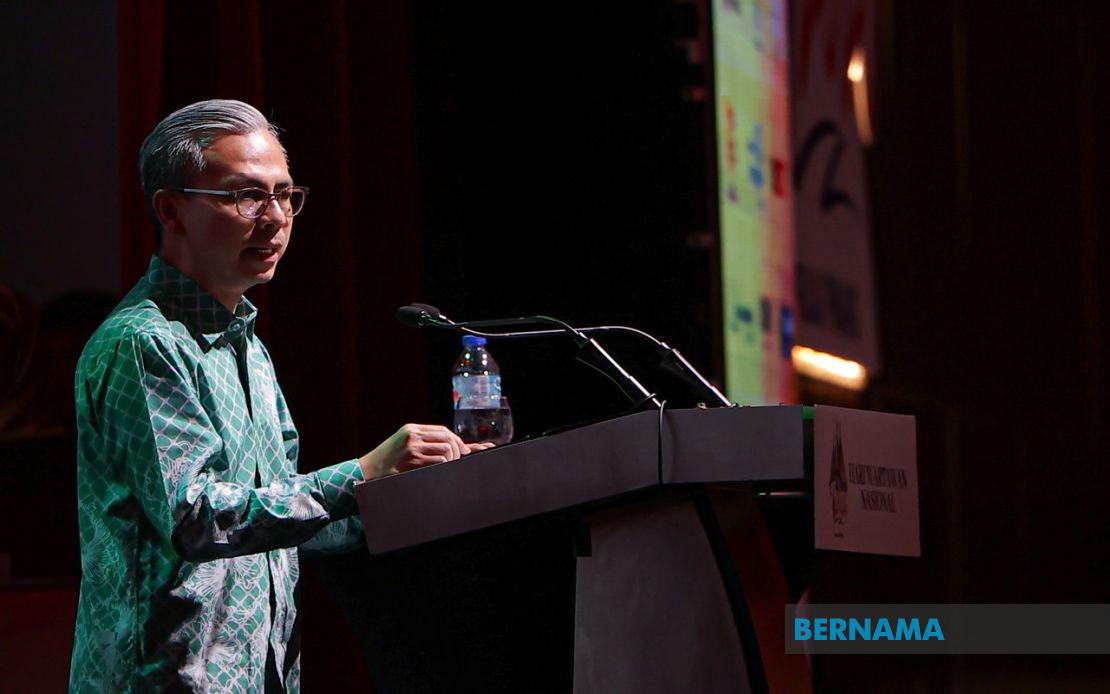
Telekom Malaysia has pledged RM500,000 as the new strategic partner of Tabung Kasih@HAWANA, marking a significant show of corporate support for the country's journalism community. The contribution, announced during the National Journalists' Day Grand Finale in Butterworth, will help sustain welfare assistance programmes for both active and retired media practitioners across Malaysia. Communications Minister Datuk Fahmi Fadzil unveiled the partnership at the event, which carried the theme "Media Integrity Strengthens Credibility" and was officiated by Prime Minister Datuk Seri Anwar Ibrahim.
The Tabung Kasih@HAWANA initiative has evolved into a crucial lifeline for media workers since its establishment in April 2023. In just over two years of operation, the fund has distributed RM2.26 million in financial aid to 773 media practitioners facing hardship nationwide. This growing assistance base underscores the pressing economic challenges faced by individuals working in journalism and related media fields, where stable employment and competitive compensation remain elusive for many. Telekom Malaysia's corporate social responsibility initiative through this partnership demonstrates how large corporations can address sector-specific welfare needs through strategic giving.
The timing of this announcement reflects mounting pressures on Malaysia's media landscape. Minister Fahmi highlighted that advertising expenditure, which traditionally underpins media company revenues, has contracted dramatically in recent years. Annual advertising spending has fallen from RM4.5 billion to approximately RM2 billion, representing a reduction of more than half. This revenue collapse has cascading effects throughout the industry, forcing media organisations to reduce staff, cut wages, and scale back operations. The funding gap created by shrinking ad budgets directly translates into financial insecurity for individual media workers, making initiatives like Tabung Kasih@HAWANA increasingly vital.
Datuk Fahmi used the platform to appeal directly to the broader business community, particularly government-linked companies and private enterprises, to redirect their marketing budgets toward local media channels. His message was unambiguous: companies have both a financial incentive and a social responsibility to support domestic media through advertising placements and media buys. Beyond direct advertising support, he called for corporate partnerships modelled on Telekom Malaysia's approach, including sponsorships and participation in industry development initiatives. This multifaceted appeal signals that government recognises the media sector cannot recover solely through internal restructuring or reader revenue models.
The event brought together Malaysia's media leadership, including Bernama chairman Datuk Seri Wong Chun Wai and chief executive officer Datin Paduka Nur-ul Afida Kamaludin, alongside Penang Chief Minister Chow Kon Yeow. This high-level attendance underscored the importance placed on the day's announcements and reflected broad recognition that media sustainability is now a matter of public policy concern. The presence of the Prime Minister himself signalled executive-level commitment to supporting the sector during a period of transformation and financial stress.
Beyond immediate welfare funding, Minister Fahmi announced government support for Project Sigma 2.0, a Google Malaysia-led initiative developed in partnership with the Malaysian Media Council and the Malaysian Press Institute. This programme focuses on equipping media personnel with skills in technology and artificial intelligence, recognising that the industry's future depends on workforce capability in emerging fields. Rather than merely alleviating current hardship, this investment aims to enhance the long-term resilience and relevance of Malaysian journalism in a digital age, allowing practitioners to adapt to changing media consumption patterns and technological disruption.
A significant development announced at the event was the signing of a Memorandum of Understanding between Bernama and TATOLI, the national news agency of Timor-Leste. This regional collaboration carries strategic importance beyond routine news exchange arrangements. It represents Malaysia's effort to strengthen media cooperation across Southeast Asia at a moment when Timor-Leste has formally joined ASEAN as the bloc's eleventh member. Minister Fahmi positioned the agreement within the context of ASEAN's broader agenda of inclusivity and regional unity, framing media cooperation as an essential component of deepening institutional ties among member states.
The partnership between Malaysia's premier news agency and its Timorese counterpart also signals recognition that credible, cooperative journalism serves regional stability and informed public discourse. In an era of information fragmentation and competing narratives, formal cooperation frameworks help ensure that ASEAN member states can exchange verified information, combat disinformation, and present coordinated messages on matters of mutual concern. For Malaysian media organisations, the arrangement provides access to insights from a newly integrated member state, potentially opening commercial opportunities and enriching reporting on Southeast Asian affairs.
Telekom Malaysia's strategic positioning as Tabung Kasih@HAWANA's lead partner reflects the telecommunications sector's stake in media sustainability. As a major advertiser and communications infrastructure provider, TM benefits from a healthy, functioning media ecosystem that can effectively communicate with mass audiences. The company's contribution of RM500,000, while substantial, also represents a strategic investment in maintaining the visibility and reach that media organisations provide to corporate Malaysia. This alignment of corporate interests with public benefit illustrates how CSR initiatives can address genuine community needs while serving corporate strategic objectives.
The broader context for these announcements is Malaysia's ongoing digital transformation and the concurrent disruption of traditional media business models. Globally, journalism has struggled to adapt to the shift from advertising-supported models to digital-first consumption, where audiences expect free or low-cost content. Malaysia's media sector confronts these international headwinds while managing local factors including regional competition, audience fragmentation, and the rise of social media platforms that capture advertising spending. Government initiatives, corporate partnerships, and direct welfare support all represent components of a multifaceted response to sustaining professional journalism in this environment.
Minister Fahmi's calls for intensified corporate engagement with local media also carry an implicit policy message: media sustainability is not solely a market-driven outcome but requires deliberate intervention by government and business. This represents a shift from purely commercial media models toward public-private partnerships that acknowledge media's importance for democratic discourse, information reliability, and social cohesion. The success of this approach will depend on whether other major corporations follow Telekom Malaysia's lead and whether advertising revenue stabilises at higher levels than current trends suggest.
Looking forward, the visibility given to these initiatives at a national event officiated by the Prime Minister indicates that media sector support will remain on the government's agenda. The combination of direct welfare assistance through Tabung Kasih@HAWANA, skills development through Project Sigma 2.0, and regional cooperation frameworks through TATOLI suggests a comprehensive strategy to shore up Malaysian journalism. However, these measures address symptoms of a deeper structural challenge: the fundamental need for media organisations to develop sustainable revenue models beyond advertising. The success of these interventions will ultimately be measured by whether they buy time for meaningful industry transformation or merely postpone inevitable contraction.