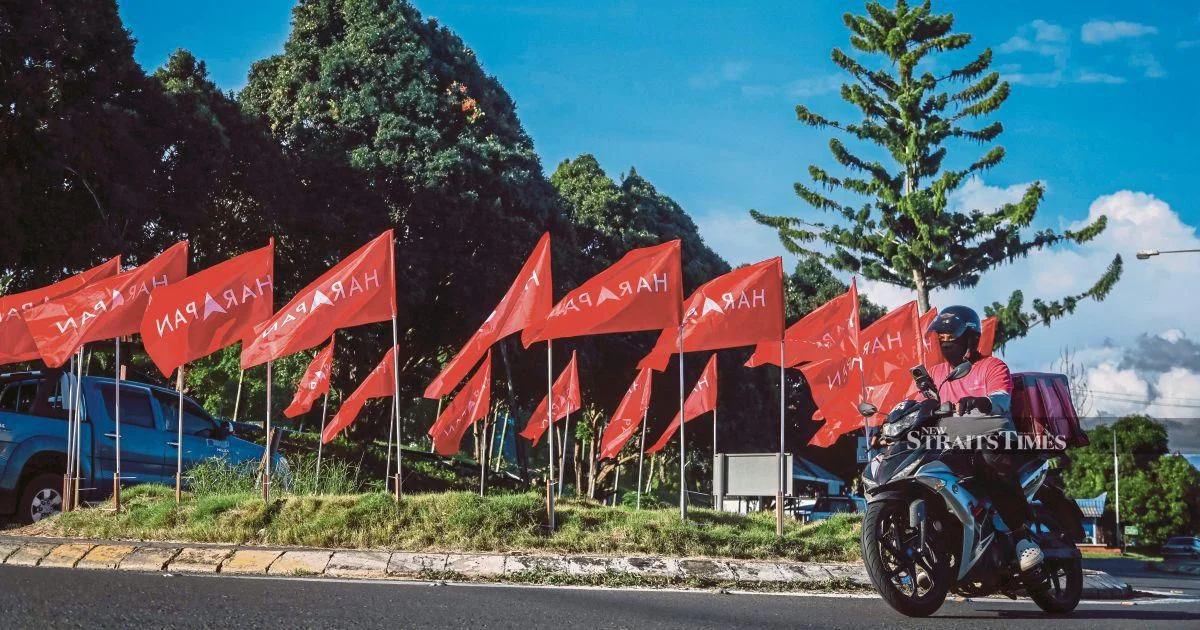
Pakatan Harapan has firmly signalled it will not be stampeded into prematurely announcing its chief ministerial candidate for the 16th Johor state election, despite mounting pressure from opposing political coalitions attempting to force the coalition's hand ahead of the polls.
The opposition coalition's measured approach reflects a carefully calibrated political strategy, as party leaders prioritise internal consensus-building and grassroots momentum over capitulating to rival tactics designed to destabilise their campaign narrative. Coalition strategists maintain that the timing of such a critical announcement should serve their organisational interests rather than those of competitors seeking to dictate the electoral timetable.
Johor represents one of Malaysia's most politically significant battlegrounds, holding symbolic weight beyond its parliamentary seats. The state has long been considered a bellwether for national political trends, and control of Johor's administration carries substantial leverage within federal politics. This context explains why opposition parties are keen to force Pakatan Harapan into early declarations that might restrict their flexibility or generate unintended controversies during an extended campaign period.
Political analysts suggest that delaying the menteri besar announcement allows Pakatan Harapan to maintain candidate optionality, assess ground sentiment in various constituencies, and avoid committing prematurely to personalities who might face unexpected obstacles during the campaign. The coalition can also protect selected candidates from prolonged personal attacks and media scrutiny that typically intensify once official nominations occur.
The coalition's calculation reflects lessons from previous Malaysian electoral contests, where early candidate announcements have occasionally backfired when chosen individuals faced unexpected scandals, health issues, or defections. By maintaining uncertainty, Pakatan Harapan preserves strategic flexibility and can adjust its roster based on evolving circumstances and internal party dynamics across its constituent organisations.
Opposition rivals appear to believe that extracting an early commitment would create opportunities to orchestrate coordinated attacks against the designated candidate, potentially damaging the coalition's electoral prospects before campaigning formally begins. Their pressure tactics thus underscore how candidate selection has become a focal point of pre-election jockeying, with each coalition attempting to force opponents into disadvantageous positions.
Within Pakatan Harapan, multiple factions and parties maintain different interests regarding the menteri besar position. Balancing these internal considerations while presenting unified public messaging requires careful choreography that cannot be rushed without risking factional tensions or public perception of imposed compromises. This consolidation period allows the coalition to forge genuine agreement rather than rubber-stamping a choice that might subsequently generate grumbling within rank-and-file membership.
For Malaysian voters in Johor, the delayed announcement means campaigning will likely focus initially on policy platforms and performance records rather than personalised contests between chief ministerial contenders. This shift could potentially elevate substantive political discourse, though it may also frustrate constituents seeking early clarity about alternative leadership options available to them.
The broader political context in Peninsular Malaysia adds further dimensionality to Johor's electoral significance. With national politics remaining fragmented and coalition mathematics remaining precarious, any swing in Johor's power dynamics reverberates through federal calculations about stability and governmental formation. This stakes-raising dynamic explains the intensity with which multiple coalitions monitor developments affecting the state.
Pakatan Harapan's resistance to external pressure also sends signals about coalition cohesion and decision-making authority. By refusing to be dictated to by rivals, the coalition demonstrates its internal confidence and capacity for autonomous political judgment, reassuring party members and supporters that decisions will be made according to internal deliberative processes rather than reactive responses to opposition manoeuvring.
The timing of the menteri besar announcement will ultimately reflect when Pakatan Harapan calculates maximum electoral advantage, whether that emerges weeks before polling, during early campaign phases, or through other strategic timing. This autonomy remains among the coalition's most valuable prerogatives heading into Johor's election cycle.