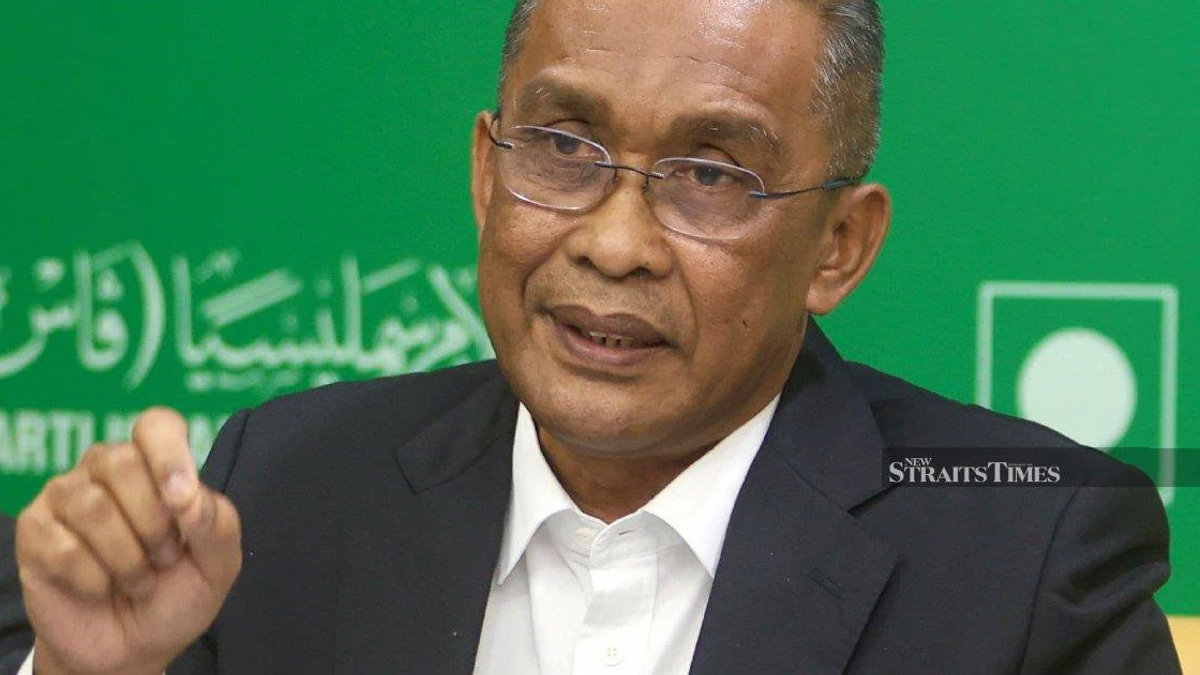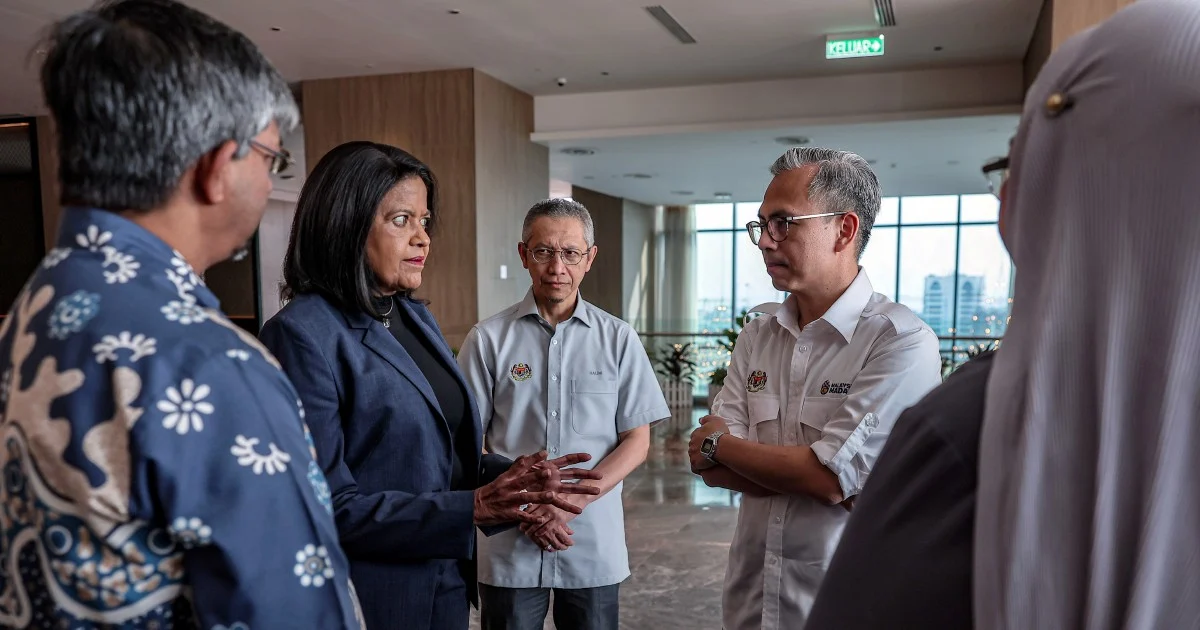
The Malaysian Media Council has identified the forthcoming elections in Johor and Negri Sembilan as crucial opportunities to trial and refine an innovative framework designed to counter disinformation and bolster confidence in news reporting during electoral campaigns. This initiative marks a significant institutional effort to address the growing menace of fabricated content that has increasingly complicated public discourse across Malaysia's political landscape.
Electoral periods have historically witnessed a surge in misleading narratives and unverified claims, particularly as competing political camps seek to influence voter behaviour through alternative information channels. The scale of this challenge has prompted the Malaysian Media Council to move beyond traditional oversight mechanisms towards a more proactive and systematic approach to identifying and correcting false or distorted information before it gains traction among the electorate.
The mechanism being piloted represents a departure from passive editorial standards towards an intervention-based system intended to serve as a real-time verification resource during the campaign period. By deploying this framework during state-level contests in Johor and Negri Sembilan, the council aims to gather empirical data on the initiative's effectiveness whilst the electoral stakes remain confined to a regional rather than national scope. This graduated testing approach reflects a pragmatic methodology that allows for refinement and adjustment before potential implementation during larger-scale elections.
Within Malaysia's media ecosystem, the credibility of information sources has come under considerable strain in recent years. The proliferation of social media platforms and encrypted messaging applications has created parallel information networks that operate beyond traditional journalistic gatekeeping. During election campaigns, these alternative channels become vectors for rapid dissemination of unverified claims, often presented with the visual trappings of legitimate news reports. The Malaysian Media Council's new initiative seeks to bridge the gap between professional journalism standards and the speed at which misinformation travels through digital platforms.
The council's approach involves establishing mechanisms for rapid fact-checking and verification that can operate in near-real-time as false claims emerge during campaign activities. Rather than allowing fabricated narratives to achieve widespread circulation before correction, the framework aims to intercept and address misleading content at earlier stages of its distribution. This preventive strategy recognises that corrections, once false information has taken root in public consciousness, often prove less effective than preventing the initial widespread dissemination.
For Malaysian voters, particularly those who rely on social media and non-traditional news sources for electoral information, the initiative offers potential protection against manipulation designed to distort their electoral choices. The protection of information integrity during elections is essential to democratic legitimacy, as electoral outcomes should reflect genuine voter preferences rather than decisions influenced by systematic campaigns of misinformation. When voters cannot distinguish between reliable and fabricated information, their capacity to make informed choices becomes fundamentally compromised.
The Johor and Negri Sembilan contests provide suitable venues for testing this mechanism because both states maintain active and competitive political environments with multiple parties competing for electoral support. The regional nature of these elections means that false narratives will likely circulate at scales manageable for empirical analysis, whilst still reflecting the authentic complexity of Malaysian electoral conditions. Data collected during these contests will provide insights into the frequency and patterns of misinformation, the effectiveness of various counter-messaging approaches, and the demographics of information vulnerability.
From a broader Southeast Asian perspective, Malaysia's efforts to systematically combat electoral misinformation align with regional and global trends towards greater media accountability. Several neighbouring countries have similarly grappled with challenges of false information during critical electoral moments, making the Malaysian Media Council's pilot initiative relevant not only domestically but as a model for other democracies in the region confronting similar institutional challenges.
The success of this initiative will likely depend on multiple factors beyond the council's direct control. Cooperation from media organisations, technology platforms, and political parties will be necessary for the framework to achieve meaningful impact. The challenge of securing voluntary compliance and participation from all relevant stakeholders requires building consensus around the importance of information integrity as a shared value transcending partisan advantage.
Looking beyond these state-level tests, the Malaysian Media Council must develop scalable mechanisms that can function effectively during national electoral cycles, when the volume of campaign activity and competing narratives expands dramatically. The insights gained from Johor and Negri Sembilan will be essential for designing systems that remain operationally feasible whilst maintaining rigorous standards of verification and fairness in adjudicating competing claims.
Political parties and candidates will likely face pressure to accept the council's fact-checking determinations as legitimate, particularly if public perception establishes these mechanisms as authoritative and non-partisan. Building this trust represents a long-term institutional project rather than a single initiative, requiring consistent application of transparent standards and demonstrated commitment to factual accuracy independent of political consequences.