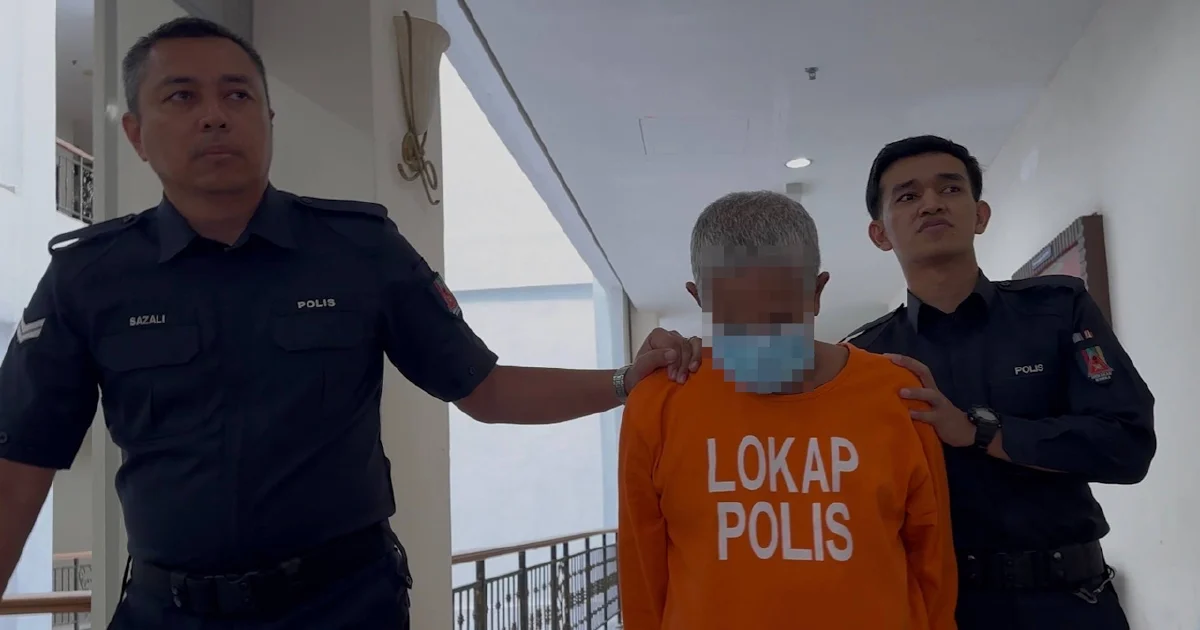
A 67-year-old pensioner has been convicted and sentenced to 33 years imprisonment alongside 14 strokes of the cane by the Sessions Court in Muar following his guilty plea to five counts of rape and sexual assault involving his two granddaughters. The severe sentence reflects both the gravity of the offences and the vulnerable position of the victims, who were members of his own household.
The case exposes a troubling pattern of abuse that occurred within the family unit, where trust was fundamentally violated. The perpetrator exploited his position as a family elder and caregiver to target young family members, representing a particularly heinous betrayal of the responsibilities that come with guardianship. Such crimes underscore how abuse can fester in settings where victims may feel unable to report due to family ties and power imbalances.
In Malaysian law, sexual assault and rape are treated as serious offences under the Penal Code, with sentences typically ranging from years to decades depending on aggravating factors. The stacking of multiple counts in this case resulted in the substantial 33-year term, signalling the court's intention to impose meaningful punishment proportional to the extent and nature of the violations committed. The addition of caning reflects the judiciary's view that additional corporal punishment was warranted given the severity of the crimes.
The willingness of the perpetrator to enter a guilty plea likely expedited proceedings and spared the victims the additional trauma of a contested trial and cross-examination. However, plea agreements in sexual assault cases remain contentious, as they can sometimes result in reduced sentences compared to convictions after trial. In this instance, the court maintained a stringent approach despite the guilty plea.
Family-based sexual abuse remains a significant problem across Southeast Asia, often underreported due to shame, cultural factors, and fear of family disintegration. Malaysian authorities have increasingly sought to address this through public awareness campaigns and improved victim support mechanisms, though barriers to reporting persist. The prosecution of high-profile cases like this one serves both as a deterrent and as validation for victims who come forward.
The role of authorities in identifying and intervening in such cases depends heavily on reports from mandated reporters—teachers, healthcare workers, and social services personnel—as well as from family members and the victims themselves. Child protection systems in Malaysia have evolved to create safer reporting channels and to ensure rapid response to allegations. This case demonstrates that when allegations do reach the courts, the judicial system is prepared to impose substantial penalties.
Psychological and social support for the survivors of such abuse is critical to their recovery and reintegration. Organisations across Malaysia, including government agencies and NGOs, provide counselling, legal aid, and rehabilitation services for sexual assault victims. The long-term impacts of intrafamilial abuse can be severe, affecting mental health, relationships, and overall quality of life for decades after the crimes occur.
The sentencing also carries implications for detention policy and rehabilitation efforts within Malaysian prisons. Offenders convicted of sexual crimes against children and family members are typically segregated from the general prison population for security reasons, as they often face significant risk of violence from other inmates. The question of whether imprisonment alone can effectively address the psychological factors underlying such behaviour remains a subject of ongoing debate within criminology and penology.
For the broader Malaysian community, cases of this nature reinforce the importance of vigilance and open communication within families and neighbourhoods. Creating environments where children feel safe disclosing abuse is essential, as is educating young people about bodily autonomy and appropriate versus inappropriate contact. Community awareness programmes and school-based education initiatives have gained momentum in recent years.
The conviction and sentencing in Muar sends a clear message that Malaysia's courts will pursue justice in sexual abuse cases with vigour, regardless of the relationship between perpetrator and victim. The 33-year sentence ensures that this particular offender will spend the majority of his remaining life in prison, effectively removing him from any position where he could harm others. This serves both punitive and preventative functions within the criminal justice framework.
Moving forward, this case underscores the need for continued investment in victim support services, training for law enforcement and judicial personnel in handling sensitive cases, and community education about the signs of abuse. While no sentence can undo the harm inflicted on the victims, the court's action demonstrates institutional commitment to protecting Malaysia's most vulnerable members from predatory behaviour within their own homes.
%22%2F%3E%3C%2Fpattern%3E%3C%2Fdefs%3E%3Crect%20width%3D%22100%25%22%20height%3D%22100%25%22%20fill%3D%22url(%23ph504jeg)%22%2F%3E%3Crect%20width%3D%22100%25%22%20height%3D%22100%25%22%20fill%3D%22url(%23ph504jep)%22%2F%3E%3Ctext%20x%3D%2250%25%22%20y%3D%2250%25%22%20text-anchor%3D%22middle%22%20dominant-baseline%3D%22central%22%20fill%3D%22rgba(255%2C255%2C255%2C0.95)%22%20font-family%3D%22Georgia%2C%20'Times%20New%20Roman'%2C%20serif%22%20font-weight%3D%22700%22%20font-size%3D%22320%22%20letter-spacing%3D%22-0.02em%22%3EMOH%3C%2Ftext%3E%3C%2Fsvg%3E)
%22%2F%3E%3C%2Fpattern%3E%3C%2Fdefs%3E%3Crect%20width%3D%22100%25%22%20height%3D%22100%25%22%20fill%3D%22url(%23ph51k2vg)%22%2F%3E%3Crect%20width%3D%22100%25%22%20height%3D%22100%25%22%20fill%3D%22url(%23ph51k2vp)%22%2F%3E%3Ctext%20x%3D%2250%25%22%20y%3D%2250%25%22%20text-anchor%3D%22middle%22%20dominant-baseline%3D%22central%22%20fill%3D%22rgba(255%2C255%2C255%2C0.95)%22%20font-family%3D%22Georgia%2C%20'Times%20New%20Roman'%2C%20serif%22%20font-weight%3D%22700%22%20font-size%3D%22320%22%20letter-spacing%3D%22-0.02em%22%3EIJN%3C%2Ftext%3E%3C%2Fsvg%3E)
%22%2F%3E%3C%2Fpattern%3E%3C%2Fdefs%3E%3Crect%20width%3D%22100%25%22%20height%3D%22100%25%22%20fill%3D%22url(%23ph3oqxzg)%22%2F%3E%3Crect%20width%3D%22100%25%22%20height%3D%22100%25%22%20fill%3D%22url(%23ph3oqxzp)%22%2F%3E%3Ctext%20x%3D%2250%25%22%20y%3D%2250%25%22%20text-anchor%3D%22middle%22%20dominant-baseline%3D%22central%22%20fill%3D%22rgba(255%2C255%2C255%2C0.95)%22%20font-family%3D%22Georgia%2C%20'Times%20New%20Roman'%2C%20serif%22%20font-weight%3D%22700%22%20font-size%3D%22226%22%20letter-spacing%3D%22-0.02em%22%3EMarcos%3C%2Ftext%3E%3C%2Fsvg%3E)