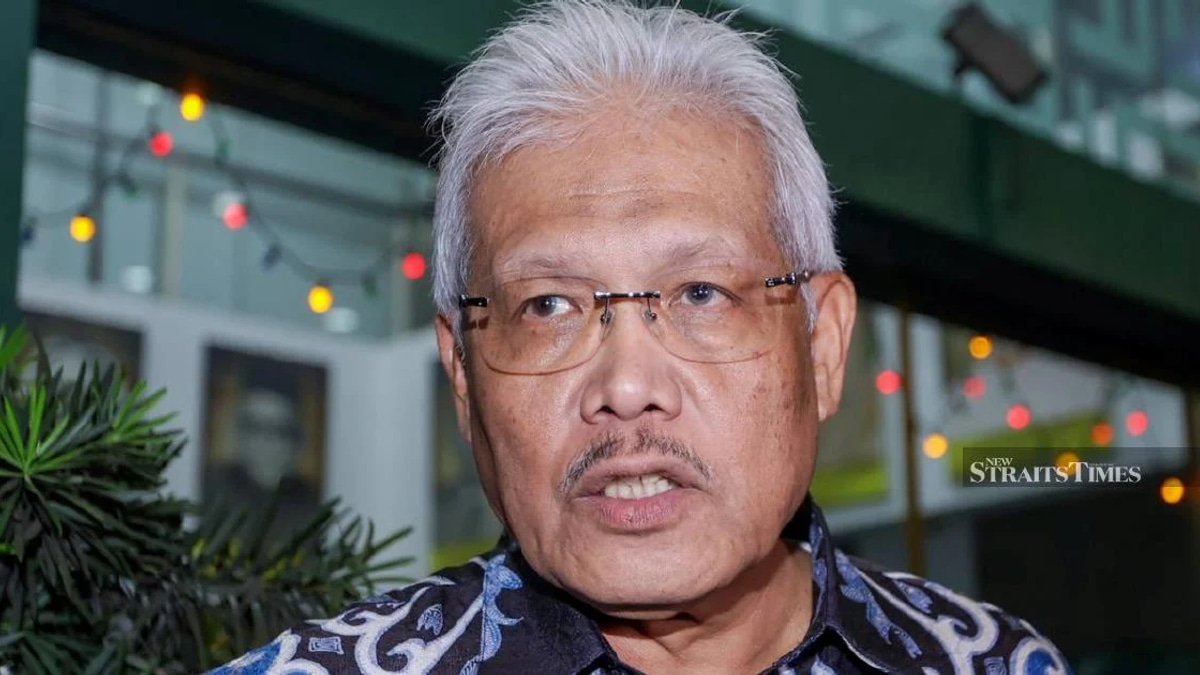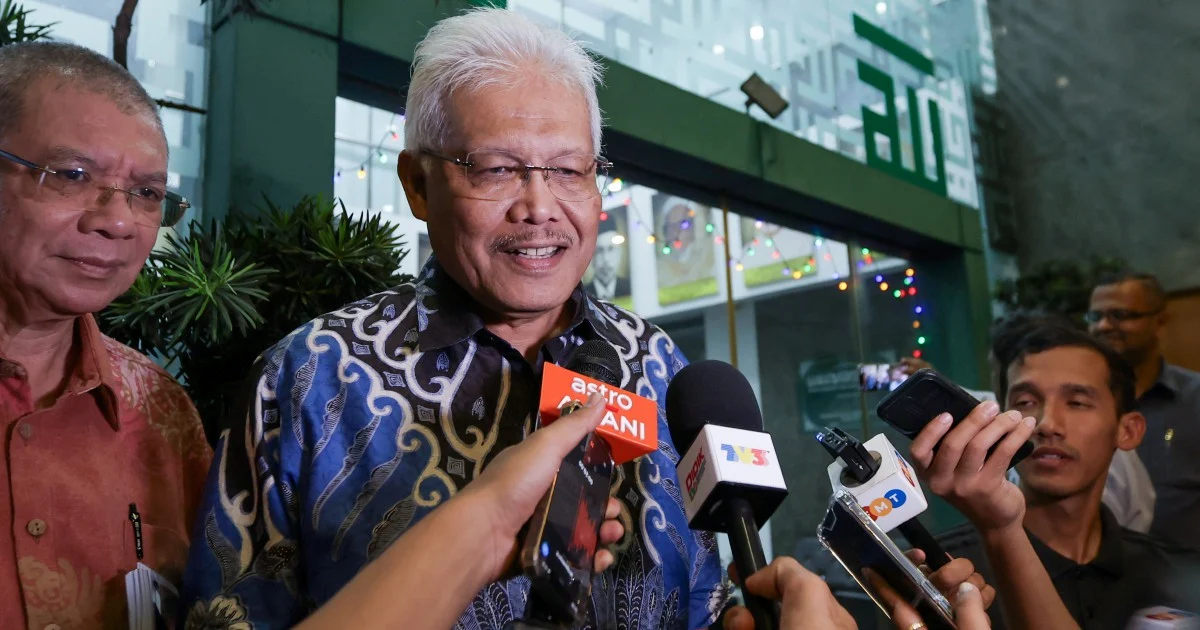
Perikatan Nasional's chief whip, Datuk Seri Takiyuddin Hassan, has formally submitted documentation to the Dewan Rakyat Speaker's office confirming the reappointment of Datuk Seri Hamzah Zainudin to the position of opposition leader. The procedural filing marks an important moment in Parliament's leadership structure, reflecting how Malaysia's political landscape continues to shift following recent developments within coalition arrangements.
The reappointment carries substantial implications for parliamentary dynamics and the broader opposition framework. As opposition leader, Hamzah Zainudin will assume responsibility for coordinating opposition activities in the Dewan Rakyat, managing parliamentary strategy, and serving as the primary spokesperson for the opposition bloc during legislative proceedings. This role traditionally involves significant visibility during parliamentary sittings, particularly during question time and key debates where the opposition challenges government positions.
Takiyuddin's submission of the formal notification represents the completion of internal party procedures within Perikatan Nasional. Before such documentation reaches the Speaker's office, political coalitions typically conduct internal deliberations to confirm leadership appointments. The timing and manner of this announcement suggest that PN has concluded its internal consultations and reached consensus on reinstating Hamzah to this prominent parliamentary position.
The restoration of Hamzah to the opposition leader role underscores ongoing recalibrations within Malaysia's political alliances. Perikatan Nasional, comprising PAS, Bersatu, and other component parties, has navigated significant challenges in maintaining coalition cohesion over recent years. The reappointment decision reflects the bloc's determination to maintain unified parliamentary representation and assert its presence as a substantial opposition force.
Hamzah Zainudin brings considerable parliamentary experience to the position. His background in various ministerial roles and extensive tenure in the Dewan Rakyat positions him to manage the complex responsibilities inherent in opposition leadership. The opposition leader must balance the sometimes competing demands of holding the government accountable while maintaining parliamentary decorum and working effectively with other opposition members whose parties may have divergent interests.
The formal notification process itself, while procedural, carries constitutional significance. Parliament's Speaker maintains official records of all parliamentary leadership positions, and these designations affect committee assignments, speaking rights hierarchy, and formal parliamentary correspondence. The Speaker's office acknowledgement of Hamzah's reappointment provides official recognition of his status and the authority associated with the opposition leader designation.
For Malaysian readers, understanding opposition leadership remains important because these figures shape parliamentary accountability. The opposition leader traditionally leads questioning of government policies, raises citizen grievances in Parliament, and articulates alternative perspectives on legislation. The quality and effectiveness of opposition leadership thus directly affects how thoroughly government actions face scrutiny and debate within Parliament's chambers.
Peikatan Nasional's assertiveness in formally reappointing Hamzah also signals the coalition's intent to strengthen its parliamentary profile. With a substantial number of parliamentarians, PN possesses considerable capacity to influence legislative proceedings, amendment discussions, and the parliamentary agenda more broadly. A clearly designated, experienced opposition leader enhances the bloc's organisational effectiveness and public communication regarding its positions.
The reappointment arrives amid a broader context of Malaysia's multi-coalition political system. Unlike Westminster democracies with typically two major opposing blocs, Malaysia's Parliament accommodates multiple political groupings, each pursuing distinct agendas while sometimes coordinating on shared interests. Within this complex landscape, opposition leaders must navigate relationships with various other groups, including government backbenchers and non-aligned legislators who may occasionally ally with opposition positions on particular issues.
Regionally, Malaysia's opposition leadership arrangements interest observers monitoring Southeast Asian democracy. How opposition leaders operate in Westminster-derived systems like Malaysia's Parliament reflects broader patterns of institutional function and democratic checks across the region. Effective opposition leadership contributes to institutional resilience and public confidence in legislative processes, factors that observers increasingly scrutinise across Southeast Asia.
Looking forward, Hamzah's reappointment will be tested by upcoming parliamentary sessions and legislative challenges. Opposition leaders face the perpetual tension between pressuring the government and maintaining sufficient parliamentary relationships to accomplish legislative business. His record in navigating these dynamics will likely shape assessments of this new term in the position and influence subsequent PN strategic decisions regarding parliamentary engagement.