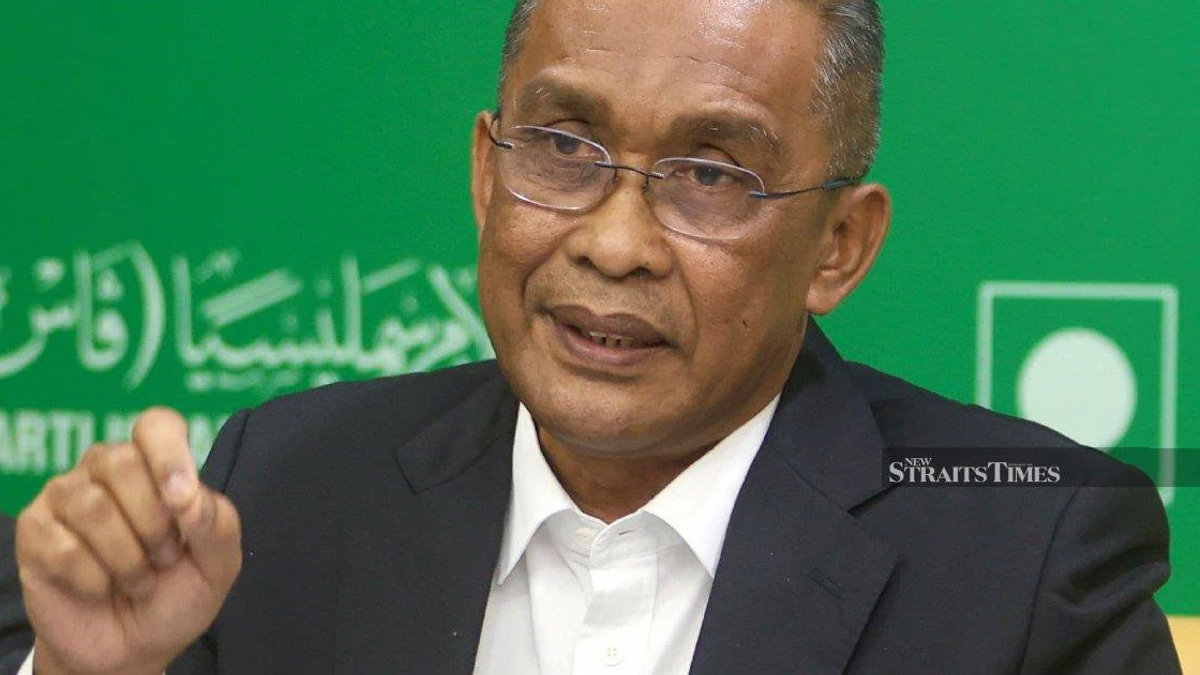
Dewan Rakyat Speaker Tan Sri Johari Abdul has received official notification of Datuk Seri Hamzah Zainudin's reappointment as opposition leader, according to a communication from Perikatan Nasional chief whip Datuk Seri Takiyuddin Hassan. The formal letter confirms the opposition coalition's continued recognition of Hamzah in this key parliamentary role.
The reappointment underscores the stability of Perikatan Nasional's leadership structure during a period of significant political realignment in Malaysian parliament. As opposition leader, Hamzah holds one of parliament's most significant positions outside the government, tasked with coordinating opposition activities and serving as the primary voice challenging the ruling coalition's policies and legislative proposals.
Hamzah's role carries constitutional weight beyond ceremonial duties. The opposition leader sits in parliament's leadership hierarchy, participating in the Conference of Rulers protocols and maintaining direct engagement with parliamentary procedures. The position demands coordination across opposition bloc members, requiring diplomatic skill to maintain coalition cohesion when parties hold divergent interests or policy positions.
Peikatan Nasional's formal notification process reflects constitutional propriety. By officially communicating the appointment through its chief whip to the Dewan Rakyat Speaker, the opposition coalition ensures parliamentary records accurately reflect its leadership configuration. This transparency in procedural matters establishes clarity about the opposition's organizational structure for legislative purposes.
The timing of this reappointment announcement holds significance for parliamentary dynamics. Malaysia's government has faced considerable scrutiny over its policy direction and budget allocations, with the opposition expected to intensify scrutiny. A confirmed opposition leadership provides clarity to backbenchers and the public about which figures will frontally challenge government initiatives in parliamentary sessions.
Hamzah's reappointment consolidates Perikatan Nasional's positioning as the primary opposition force. The coalition brings together parties with distinct regional bases and voter demographics, yet this formal leadership confirmation demonstrates their capacity to maintain organizational discipline. This structural clarity becomes increasingly important as parliament approaches budget deliberations and key policy debates.
For Malaysian voters, the opposition leader's appointment crystallizes accountability lines in parliament. Hamzah becomes the focal point for opposition policy articulation and serves as the primary figure responsible for coordinating scrutiny of government spending and legislative proposals. This centralization of opposition leadership enables the electorate to better track opposition performance against government initiatives.
The Speaker's receipt of this notification initiates formal parliamentary procedures recognizing Hamzah's authority. Parliamentary protocols require such official notifications to establish legitimacy of leadership positions and ensure the Speaker correctly allocates parliamentary time and privileges to recognized opposition leadership. Without this formal notification, parliamentary procedures become ambiguous regarding which figure legitimately represents the opposition during parliamentary sessions.
Peikatan Nasional's decision to maintain Hamzah in this position reflects confidence in his parliamentary acumen and coalition management abilities. Opposition leadership demands negotiating between distinct party interests while maintaining public credibility as an alternative government. The coalition's continued support suggests satisfaction with his performance in managing these competing demands.
This development carries implications for Malaysia's opposition trajectory heading toward the next electoral cycle. Clear, stable opposition leadership facilitates coalition building and strategy formulation across the opposition landscape. When opposition figures maintain positions of recognized authority, they command greater influence in negotiations with potential coalition partners and can more effectively mobilize voter interest in opposing incumbents.
The parliamentary opposition's effectiveness ultimately depends on leadership clarity and legislative competence. Hamzah's reappointment confirms Perikatan Nasional's commitment to maintaining institutional opposition presence. This formal confirmation provides opposition lawmakers and supporters with assurance about the coalition's operational stability and forward-looking capacity.
As Malaysia's political landscape continues evolving with shifting alliances and demographic changes, established opposition leadership becomes increasingly valuable. The presence of a recognized, formally-appointed opposition leader demonstrates parliamentary maturity and institutional respect for constitutional checks on executive authority. The Speaker's acknowledgment of Hamzah's reappointment reinforces democratic norms requiring strong, accountable opposition presence across parliament.