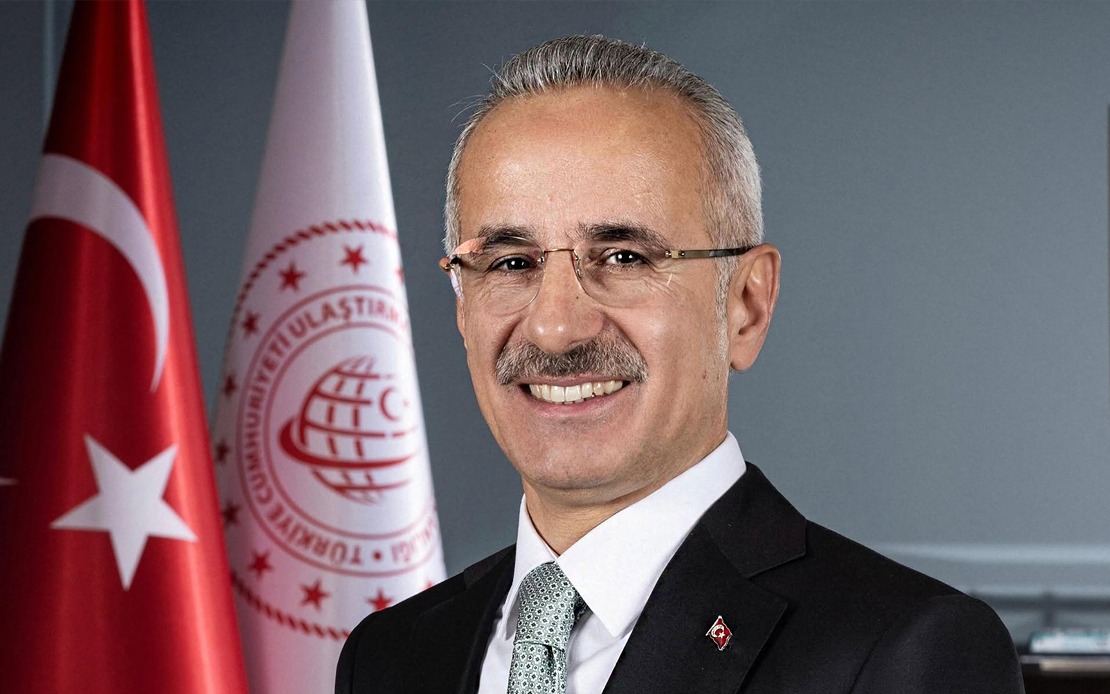
Istanbul International Airport has achieved a significant milestone by setting a new European record for passenger throughput in a single day, handling 289,260 travellers on August 1 according to Turkish Transport and Infrastructure Minister Abdulkadir Uraloglu. The announcement, made via social media platform X, reflects the airport's rapid expansion and its increasingly critical role within both Turkey's transportation infrastructure and Europe's broader aviation network.
The record-breaking daily performance demonstrates the operational capacity that modern airport infrastructure can achieve when properly managed and invested in. For context, processing nearly 300,000 passengers through a single facility within twenty-four hours requires seamless coordination across check-in facilities, security screening, gate management, baggage handling, and ground transportation systems. Istanbul Airport's ability to sustain such volumes speaks to significant investments in terminal capacity, automation, and personnel training undertaken over the past decade.
Turkey's strategic geographic position between Europe and Asia has made Istanbul a natural crossroads for international travel. The airport serves as a crucial connecting point for passengers transitioning between European destinations and flights heading to the Middle East, Central Asia, and beyond. This function has only intensified following geopolitical shifts that have elevated Turkey's importance as a neutral transit hub during periods of regional tension.
The 2025 performance data reveals that Istanbul Airport has already handled more than 84.4 million passengers across the year to date, placing it consistently among Europe's busiest aviation facilities. This volume positions Istanbul alongside or above major European hubs like London's Heathrow, Paris Charles de Gaulle, and Frankfurt in terms of annual traffic. The distinction is particularly noteworthy given that many of these competing airports have operated for decades longer and benefit from mature, established route networks.
For Malaysian and Southeast Asian travellers, Istanbul Airport's rising prominence carries practical implications. The facility serves as a key gateway for Middle Eastern and European connections, with Turkish Airlines and other carriers using the airport as a hub for routing passengers throughout their networks. As the airport expands capacity and improves facilities, it becomes an increasingly viable alternative routing option for Southeast Asian passengers seeking competitive fares and convenient connections to European destinations.
The record achievement also reflects broader trends in global aviation recovery and growth following the pandemic. International travel volumes have surged beyond pre-pandemic levels in many markets, with emerging economies experiencing particularly robust growth. Turkey, as a destination itself and as a transit country, has benefited from this expansion. The spike in Istanbul Airport traffic suggests that airlines have responded to strong demand by increasing frequency and deploying larger aircraft on competitive routes.
Infrastructure planners across the region should note how Istanbul's success demonstrates the commercial and strategic value of investing in aviation capacity. The airport's performance creates employment, generates government revenue, and strengthens Turkey's position within global supply chains and tourism networks. For countries throughout Southeast Asia and beyond, the lesson is clear: modern airports function as economic engines and geopolitical tools, not merely transportation facilities.
The daily record also highlights the increasing concentration of traffic at major hub airports. Rather than spreading passengers evenly across multiple facilities, modern airline networks funnel traffic through key metropolitan hubs where connections are efficient and economies of scale apply. This concentration strategy benefits carriers and can reduce fares for consumers, though it places enormous operational pressure on hub airports to maintain service quality during peak periods.
Minister Uraloglu's public announcement of the record reflects the political significance placed on aviation infrastructure achievements in Turkey. Transportation milestones often receive prominent government attention because they serve as visible demonstrations of national progress and competent administration. The announcement also functions as implicit marketing for Istanbul as a destination and connection point, supporting Turkey's broader economic and tourism objectives.
Looking forward, Istanbul Airport faces the challenge of sustaining or exceeding this performance while maintaining safety, service quality, and operational reliability. Record-breaking days, while celebrated, also reveal the maximum stress points within airport systems. Understanding these thresholds allows managers to identify bottlenecks and plan targeted improvements. Whether August 1's performance represents a new routine level or an exceptional peak will determine necessary future investments.
The airport's expansion trajectory carries significance for regional aviation competition as well. Southeast Asian airports, particularly those in rapidly growing markets like Vietnam and the Philippines, increasingly compete with Middle Eastern and Turkish hubs for international traffic. Istanbul Airport's success illustrates how strategic location, proper investment, and neutral positioning during regional disputes can attract significant passenger volumes and establish a facility as indispensable within global aviation networks.

