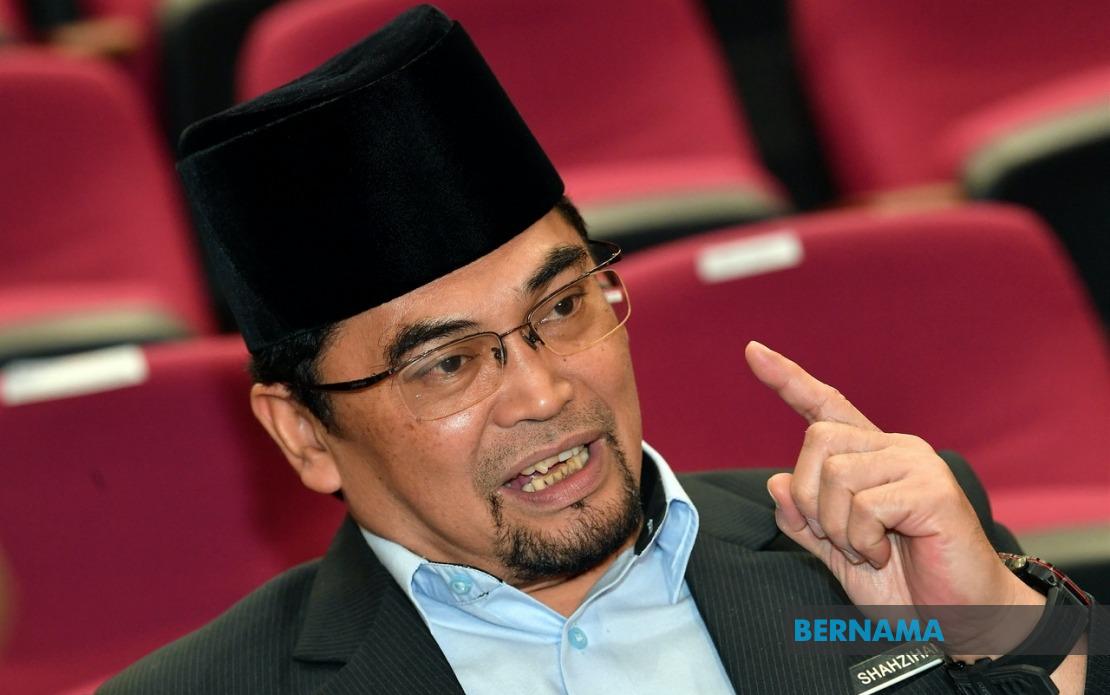
The Selangor Islamic Religious Department (JAIS) is moving to substantially overhaul its approach to teacher oversight at religious schools, responding to rising concerns about student safety and institutional accountability. The initiative emerged following a recent allegation of sexual assault involving a teacher at one of the state's religious institutions, which authorities escalated to police investigation. Datuk Mohd Shahzihan Ahmad, JAIS director, disclosed the department's multi-pronged response during remarks at a state preparatory course ceremony in Shah Alam, signalling the organisation's commitment to addressing systemic vulnerabilities that may have allowed misconduct to occur.
Central to JAIS's preventive strategy is a proposal to mandate police clearance certificates for all teachers working in religious schools under its purview. This represents a significant hardening of employment standards, effectively introducing criminal background verification as a baseline requirement for those entering the profession. The proposal reflects international best practice in child safeguarding, where vetting procedures have become standard across schools in developed economies. By importing this framework into Malaysia's religious education sector, JAIS acknowledges that traditional hiring methods may have proven insufficient to filter out individuals with histories of violent or sexual misconduct. The implementation mechanics remain under discussion with law enforcement agencies, suggesting the department recognises that police cooperation will be essential to operationalise the system effectively.
Beyond recruitment, JAIS is simultaneously developing comprehensive behavioural guidelines designed to regulate the everyday interactions between staff and pupils. These protocols specifically target scenarios identified as high-risk, including unsupervised meetings between individual teachers and students, private memorisation sessions held outside normal operating hours, and the provision of preferential treatment that might normalise inappropriate relationships. The emphasis on eliminating opportunities for isolation underscores a recognition that institutional safeguarding requires not merely the screening out of potential offenders at the hiring stage, but the creation of structural barriers that render misconduct logistically difficult. Such environment-based interventions have proven effective in other jurisdictions where schools have restructured physical spaces, modified scheduling, and imposed visibility requirements to reduce isolation.
The proposed segregation measures mentioned by Datuk Mohd Shahzihan suggest JAIS may be considering gender-separated zones or mandatory witness policies for sensitive interactions. This approach, while reflecting certain Islamic educational principles, also serves a parallel protective function by eliminating the possibility of unauthorised private contact. Religious schools operating within Malaysia's Islamic framework already incorporate gender considerations into their curriculum and facilities; extending these principles into staff-student protocols represents a logical extension of existing institutional norms rather than an entirely novel imposition. The integration of safeguarding into established cultural practices may facilitate smoother adoption than would occur if protective measures were presented as externally imposed requirements.
The involvement of the School Registration Committee in formulating these standards indicates JAIS's recognition that effective policy implementation requires buy-in from regulatory bodies and institutional stakeholders. Religious schools operate within a distinct regulatory environment in Malaysia, with authority distributed between state Islamic departments, the Ministry of Education, and local registration authorities. Coordinating across these bodies ensures that new standards do not conflict with existing frameworks and that enforcement mechanisms are available to penalise non-compliance. This collaborative approach also signals that JAIS views the problem as systemic rather than attributable to isolated bad actors, implying that institutional culture and structure require reorientation.
The timing of these initiatives reflects growing public attention to safeguarding failures within institutional settings across Malaysia. Religious schools occupy a particularly sensitive position within this discourse, given their mandate to provide moral formation alongside academic instruction and their historically significant autonomy in operational matters. Parents entrusting their children to these institutions operate under heightened assumptions of trustworthiness, making any breach of that trust particularly destabilising to community confidence. The case prompting JAIS's response, though not detailed in official statements, likely generated significant concern among stakeholders and may have prompted questioning about whether existing protocols were adequate.
The proposal for police clearance requirements carries implications beyond individual schools, potentially establishing new norms across Malaysia's broader Islamic education ecosystem. Other state Islamic departments and federally regulated institutions may look to Selangor's model as they evaluate their own safeguarding frameworks. This horizontal policy diffusion could eventually lead to a de facto national standard, even absent formal directive from federal authorities. However, implementation challenges may emerge, particularly regarding the timeliness of police vetting processes and the handling of records relating to offences that do not result in conviction but generate concerns about suitability.
The focus on institutional procedures and environmental modification reflects a preventive philosophy rather than purely reactive enforcement. By creating structures that deter misconduct and constrain opportunity, JAIS adopts the logic that potential offenders respond to situational factors as well as individual moral restraint. This represents a mature understanding of institutional risk management, moving beyond assumptions that careful hiring alone can guarantee safe environments. The recognition that guidelines governing professional interactions require articulation and reinforcement suggests acknowledgment that cultural norms and informal expectations may prove insufficient guardrails without explicit codification.
Implementing these measures will require sustained commitment and resources. Training programmes must educate teachers about new protocols and the rationales underlying them. Monitoring systems must track compliance without becoming invasive or disproportionately burdening staff. The definitions of prohibited conduct must remain clear while remaining sensitive to cultural and pedagogical contexts where certain forms of interaction may carry legitimate pedagogical purpose. These operational challenges will test whether JAIS possesses the institutional capacity to move from policy formulation to consistent implementation across its network of affiliated schools.
The initiative also raises questions about accountability mechanisms should violations occur. Existing disciplinary frameworks may require revision to address safeguarding breaches appropriately. The involvement of police in the screening process creates the possibility that criminal charges could complement or supersede institutional disciplinary measures, potentially creating prosecution outcomes that reshape professional standards within the sector. Religious school teachers may face higher legal jeopardy under reinvigorated safeguarding regimes, a development that could affect recruitment and retention unless accompanied by clear guidance about the boundaries between legitimate pastoral care and prohibited conduct.
For Malaysian parents and the broader Islamic education community, these developments signal that regulatory oversight of religious schools is intensifying and that institutional autonomy in personnel and operational matters can no longer be assumed immune from state scrutiny. This shifting relationship between religious institutions and regulatory authority reflects evolving social expectations regarding child protection that transcend particular educational sectors. The question of whether JAIS's initiatives will substantially reduce misconduct or primarily create procedural compliance remains to be determined, but the initiative demonstrates commitment to moving beyond acknowledging safeguarding as an abstract value toward institutionalising it as operational practice.

