Japan is ramping up its humanitarian response to Venezuela's earthquake crisis by pledging US$3.5 million in emergency grant assistance, according to Foreign Minister Toshimitsu Motegi on Friday. The Japanese government's latest intervention signals a deepening commitment to supporting the Latin American nation through one of its most severe natural disasters in recent years, demonstrating Tokyo's willingness to engage in sustained international relief operations across distant regions.
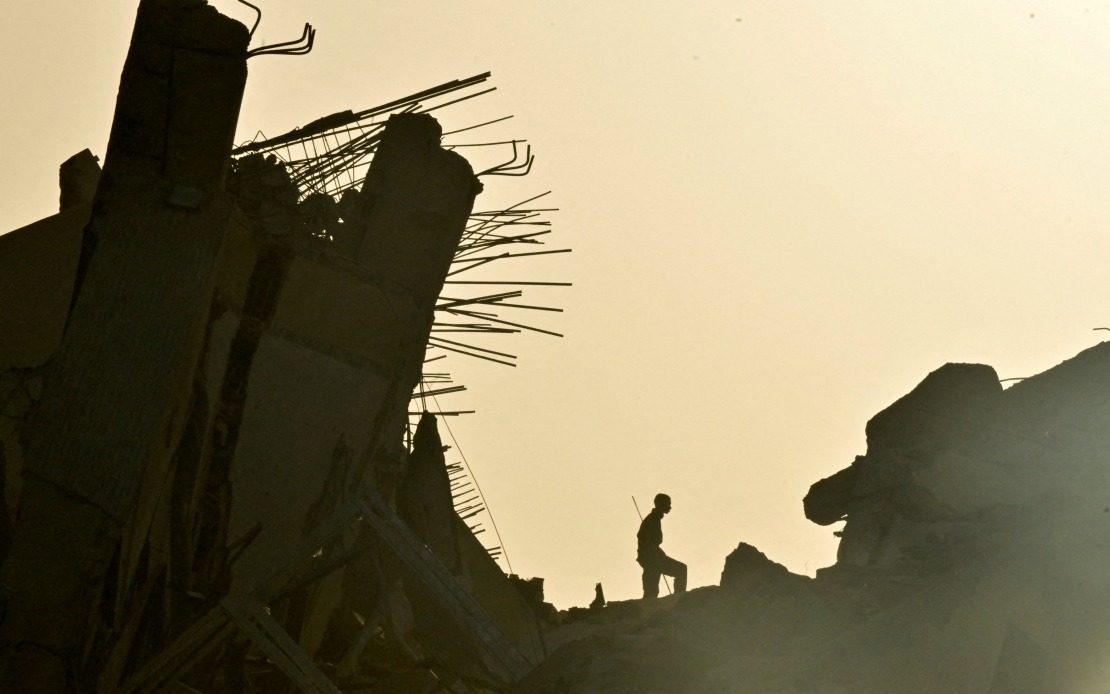
The twin earthquakes that struck Venezuela on June 24 have resulted in a catastrophic humanitarian situation, with confirmed death tolls exceeding 3,000 people and widespread destruction across multiple communities. The scale of the disaster has prompted urgent calls for international assistance, and Japan's response underscores the global nature of earthquake relief efforts and the role developed nations play in coordinating immediate aid.
Toshimitsu Motegi outlined how the US$3.5 million allocation will be distributed through established international organisations rather than bilateral channels, ensuring transparent and efficient delivery of critical resources. This approach allows Japan to leverage existing humanitarian infrastructure and coordination mechanisms that specialise in rapid deployment of aid in disaster zones. The funding will address fundamental survival needs including food supplies, healthcare services, emergency shelter construction, and other essential materials required for displaced populations facing immediate hardship.
Beyond the financial commitment, Japan has now announced the deployment of a second dedicated medical team to Venezuela, expanding its on-the-ground presence. This decision reflects recognition that the earthquake's aftermath will require sustained medical intervention far beyond the initial emergency response period. Disaster-affected regions typically experience secondary health crises including disease outbreaks, complications from untreated injuries, and psychological trauma that demand continuous medical support over weeks and months following major seismic events.
The Japanese government's assistance builds on earlier interventions initiated in the immediate aftermath of the June 24 disaster. On June 30, Tokyo approved emergency relief supplies for dispatch to affected Venezuelan communities, and one day later on July 1, it authorised deployment of its first medical relief team. This staged response reflects a measured escalation as initial damage assessments became available, allowing decision-makers to calibrate subsequent aid packages based on evolving ground conditions and identified priorities.
Foreign Minister Motegi reaffirmed Japan's commitment to sustained engagement with Venezuela's recovery, pledging that Tokyo would maintain assistance for as long as affected populations require support. This statement carries particular weight given that earthquake reconstruction efforts typically extend across years rather than months, requiring donor nations to maintain political and financial commitment despite competing domestic pressures and other international crises. Japan's public declaration of long-term intention helps establish expectations within Venezuelan communities and among partner organisations coordinating the response.
The emphasis on working with international organisations and humanitarian partners reflects modern disaster response doctrine, which prioritises coordination among multiple stakeholders rather than unilateral action by individual donor nations. Japan's strategy enables it to amplify the impact of its US$3.5 million contribution by integrating Japanese resources within broader international relief architectures. This collaborative framework also reduces redundancy, prevents competition for limited local resources, and ensures that aid reaches intended beneficiaries through established accountability structures.
For Malaysia and other Southeast Asian nations, Japan's response to the Venezuelan earthquake serves as a reminder of the interconnected nature of the global humanitarian system. When major disasters strike distant regions, wealthy and technologically advanced nations like Japan mobilise resources that demonstrate capabilities all countries should aspire toward developing. The experience and institutional knowledge Japan accumulates from international relief operations also informs its preparedness for regional disasters within Asia, where similar seismic and climatic risks threaten communities throughout the Indo-Pacific.
Japan's earthquake expertise derives from decades of experience managing its own seismic hazards and developing world-leading disaster response systems. By deploying this expertise internationally, Tokyo simultaneously builds diplomatic relationships, enhances its global standing as a responsible stakeholder, and generates practical experience that strengthens its own domestic emergency management capabilities. The deployment of medical teams and provision of relief supplies allows Japanese personnel to develop field experience that becomes invaluable when similar disasters strike Japanese territory.
The Venezuelan relief effort also illustrates how middle powers and developed economies contribute to global stability beyond military or economic dominance. Japan's humanitarian interventions project soft power that builds goodwill across the Global South, creating reservoirs of diplomatic capital that translate into support for Japanese positions on international issues ranging from trade negotiations to United Nations voting. This dimension of foreign aid often receives insufficient attention despite its significant strategic implications.
Looking forward, the effectiveness of Japan's Venezuelan assistance will depend partly on whether international coordination mechanisms function smoothly and whether Venezuelan authorities successfully integrate Japanese resources into their broader reconstruction strategies. Earthquake recovery in developing nations frequently encounters institutional challenges, corruption, and coordination failures that undermine aid effectiveness regardless of donor nation intentions. Japan's experience navigating these complexities in previous disaster relief operations positions it to contribute constructively despite these inherent challenges.
As Venezuela confronts the enormous task of rebuilding following the June 24 earthquakes, the combination of Japanese financial assistance, medical expertise, and sustained international attention provides crucial support during the critical early recovery period. The US$3.5 million commitment and second medical team deployment demonstrate that major industrialised nations recognise obligations to provide humanitarian assistance wherever catastrophic natural disasters strike, regardless of geopolitical considerations or diplomatic tensions.

