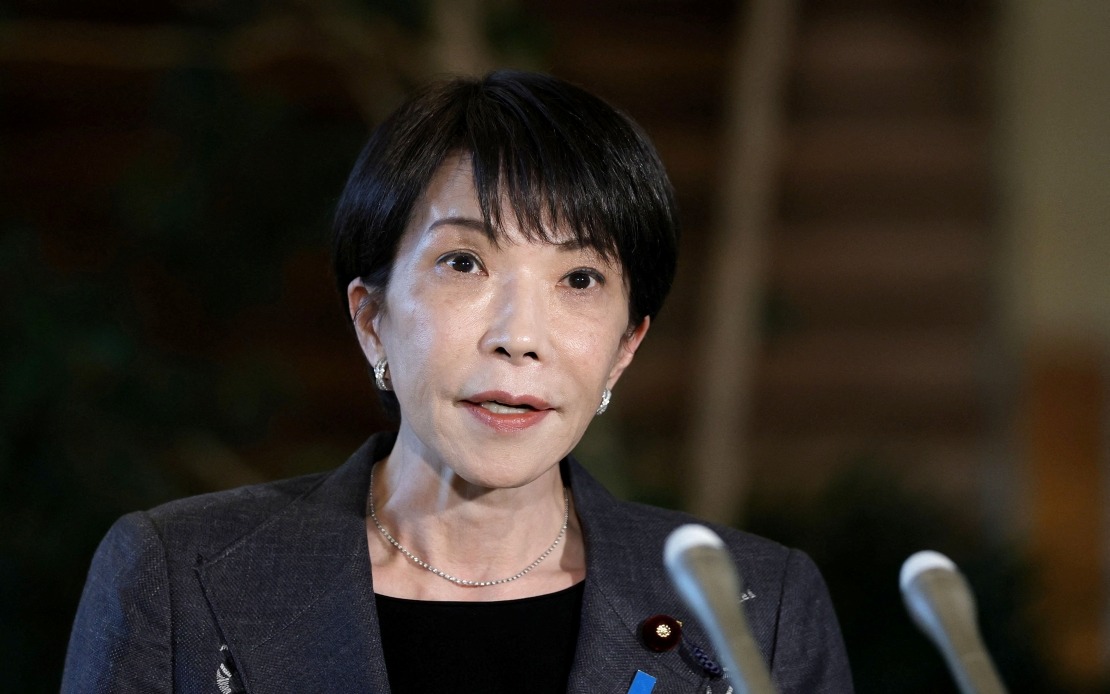
Japanese Prime Minister Sanae Takaichi has made a ritual financial offering to the Yasukuni shrine in Tokyo on Saturday, marking the nation's 81st commemoration of World War II's conclusion. The gesture, made from Takaichi's personal funds in her capacity as president of the ruling Liberal Democratic Party, demonstrates her continued reverence for the site despite deliberately refraining from an in-person visit since assuming the premiership last October. Her approach exemplifies the delicate political balance required when navigating the shrine's deeply contentious legacy in contemporary Japanese politics.
Defence Minister Shinjiro Koizumi proceeded to the shrine in person, becoming the first sitting defence chief to visit on the war anniversary since Minoru Kihara made the pilgrimage on August 15, 2024. Kihara currently serves as chief Cabinet secretary within Takaichi's administration, illustrating how senior government figures continue to engage with the shrine despite international sensitivities. Cabinet member Hitoshi Kikawada, who oversees matters concerning the Northern Territories—the Russian-occupied islands east of Hokkaido that remain a source of territorial dispute between Tokyo and Moscow—similarly visited the site. Meanwhile, several prominent Liberal Democratic Party officials including Secretary General Shunichi Suzuki, General Council head Haruko Arimura, and Election Strategy Committee chairman Yasutoshi Nishimura also paid their respects.
The Yasukuni shrine stands as one of Asia's most diplomatically explosive religious sites. In 1978, the institution formally enshrined 14 wartime leaders as deities, fundamentally transforming it from a memorial for ordinary soldiers into a repository honouring Japan's highest-ranking military and political figures. Among these are General Hideki Tojo, who served as wartime prime minister and faced execution in 1948 after conviction for crimes against peace. Fourteen individuals in total were convicted as Class-A war criminals under the International Military Tribunal for the Far East, yet they now occupy sanctified positions within the shrine's spiritual framework.
Visits by Japanese political leaders to Yasukuni regularly ignite diplomatic fury from across East Asia. China and South Korea, both nations that endured Japan's wartime aggression and occupation, have repeatedly condemned such pilgrimages as revisionist attempts to sanitise Japan's historical record. China suffered through extensive occupation of its territory, while the Korean Peninsula experienced 35 years of Japanese colonial rule from 1910 until 1945. Diplomatic notes and official protests customarily follow high-level visits, creating predictable cycles of regional tension that complicate bilateral relationships and regional stability.
Takaichi's decision to send an offering rather than visit personally reflects a calculated political strategy. Before her elevation to prime minister, she had maintained a consistent practice of visiting the shrine during its seasonal festivals and on the August 15 anniversary. Since taking office, however, she has adopted a more circumspect approach, presumably recognising that direct visits by sitting prime ministers generate considerably sharper international backlash than remote financial gestures. This distinction may appear subtle but carries significant diplomatic weight—a pattern visible in how various Japanese administrations have attempted to reconcile domestic conservative constituencies with regional relationships.
Japan's post-war identity has fundamentally rested upon its Constitution's renunciation of war and its commitment to pacifism. This constitutional framework emerged from occupation-era reforms and represented Japan's deliberate repudiation of imperial militarism that had devastated the region. Yet contemporary Japan navigates an apparent paradox: while maintaining constitutional pacifism, successive governments have progressively expanded defence capabilities in response to what Tokyo characterises as an increasingly threatening regional security environment. Defence spending has climbed substantially, military integration has deepened, and strategic doctrines have shifted toward greater assertiveness.
This security evolution holds particular relevance for Malaysia and other Southeast Asian nations. Japan's expanding military footprint, its closer alignment with Western security frameworks, and its emphasis on regional partnerships all carry implications for the broader Indo-Pacific balance. Malaysian policymakers must assess how Japan's strategic trajectory, combined with persistent tensions with China and Russia, shapes the environment for smaller nations attempting to maintain balanced relationships across major powers. The Northern Territories dispute that concerns Kikawada's portfolio exemplifies how historical grievances continue generating contemporary strategic complications.
The shrine controversy also illustrates how historical narratives remain weaponised in regional politics. Japan's official position maintains that the enshrinement occurred without government involvement and that visits represent personal spiritual observance rather than state endorsement of wartime actions. Critics—particularly in China and South Korea—reject this distinction, arguing that senior officials' visits inherently carry official sanction and implicitly legitimise the shrine's conflation of convicted war criminals with ordinary soldiers. This interpretative divide shows no signs of narrowing, suggesting that Yasukuni will continue generating predictable diplomatic friction.
For Southeast Asian observers, Japan's handling of historical memory offers instructive parallels and contrasts with how other regional powers navigate their own contested pasts. While Japan has produced substantial scholarship acknowledging wartime atrocities and has offered formal apologies through various prime ministerial statements, specific symbolic gestures like Yasukuni visits create perception problems that undermine such efforts. The disconnect between institutional acknowledgement and political symbolism generates precisely the mistrust that complicates regional cooperation on contemporary security challenges.
Takaichi's position as Japan's first female prime minister adds another dimension to these dynamics. Her leadership style and policy priorities remain subjects of intense domestic and international scrutiny. Her choices regarding historical sites and commemoration practices will likely influence how her administration is perceived internationally and domestically. The balance she has attempted to strike—acknowledging conservative constituencies through financial offerings while avoiding the diplomatic costs of personal visits—represents a pragmatic approach that may establish a template for future administrations managing similar pressures.
The broader implication for the region centres on Japan's ability to simultaneously maintain strong defence modernisation, deepen security partnerships, and manage historical sensitivities that continue affecting relations with major Asian powers. As regional competition intensifies, Japan's capacity to build consensus around security cooperation may depend partly on how effectively it navigates symbolism alongside substantive policy. Malaysian and other Southeast Asian nations, meanwhile, must carefully calibrate their own positions as Japan pursues greater strategic prominence while managing the diplomatic complications inherent in being a major power with a contested historical legacy.
Moving forward, the August 15 anniversary cycle will likely continue producing similar scenes: conservative politicians affirming their positions through shrine offerings or visits, neighbouring governments issuing protest notes, and analysts debating whether such gestures represent meaningful historical revisionism or merely ceremonial politics. For regional stability, the crucial question remains whether Japan can successfully separate its legitimate security modernisation from symbols that fundamentally alienate potential partners in addressing shared challenges across Asia.

