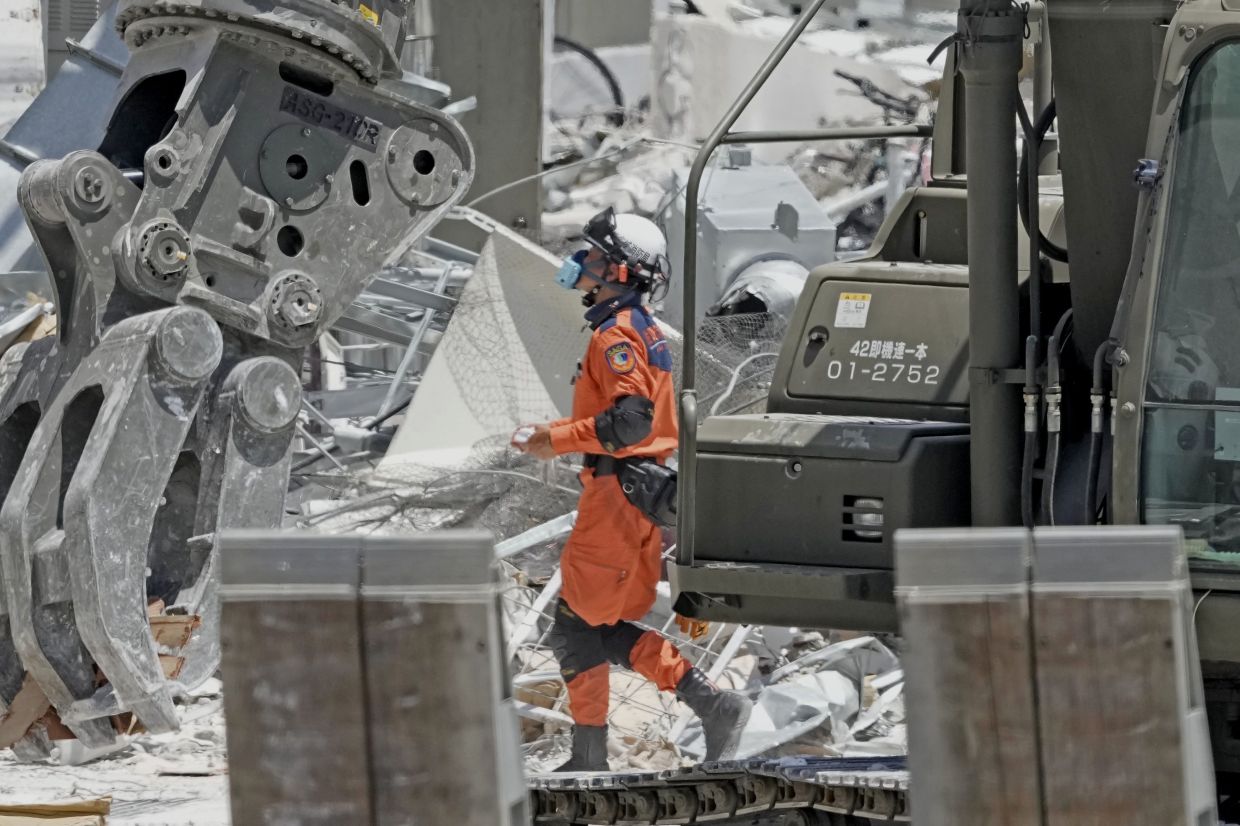
Japan's central government has identified a liquefied petroleum gas leak as the probable cause of a catastrophic explosion at a major shopping mall in Kumamoto Prefecture, according to findings released by the Economy, Trade and Industry Ministry on August 5. The blast at Aeon Mall Kumamoto occurred approximately 80 minutes after a significant earthquake struck the region on July 28, claiming the lives of three store employees and causing extensive structural damage to the central section of the mall's second floor on its south side. The timing and sequence of events have prompted investigators to focus on how seismic activity may have compromised the facility's gas distribution infrastructure.
Liquefied petroleum gas served multiple functions within the shopping complex, powering cooking operations at numerous restaurants positioned along the north side of the first floor and sustaining the food court situated on the east side of the second level. Beyond culinary applications, the facility relied on LPG for air conditioning systems throughout the building, underscoring how deeply integrated this fuel source had become to the mall's daily operations. The utility company responsible for gas supply maintains a substantial storage tank holding 9,367 kilograms of LPG on the property, with gas delivered underground through a primary supply pipe before distributing through an intricate network of secondary conduits embedded within the building's floors and walls.
Investigators from the Kumamoto prefectural police and fire authorities discovered evidence consistent with gas accumulation during their initial search of the blast scene. Personnel conducting the investigation reported detecting a distinct gaseous odor throughout various sections of the building, suggesting that vapors had permeated the interior spaces before ignition occurred. These olfactory findings proved instrumental in directing official attention toward the LPG system as the most probable source of the explosion, though the specific trigger mechanism that initiated combustion remains under active examination.
The mechanism behind the disaster appears to have involved the escape of gas from the complex distribution system rather than a catastrophic failure of the main storage tank itself. According to sources with knowledge of the investigation, the quantity of liquefied petroleum gas remaining in the primary storage vessel was consistent with normal operational levels, effectively ruling out a tank rupture as the initiating cause. Instead, officials theorize that residual gas trapped within the secondary piping network—the extensive web of conduits running through walls and floor cavities throughout the structure—became dislodged and began leaking into enclosed spaces following the seismic event.
The earthquake's violent motion would have been sufficient to stress pipe joints, seals, and connections throughout this distribution network, potentially opening microscopic fractures or dislodging existing weak points in the system. Once released into the enclosed environment of a modern shopping mall with numerous interior spaces, the accumulating gas would create an increasingly explosive atmosphere. The timeframe between the earthquake and the blast—approximately eighty minutes—allowed sufficient gas to build up to dangerous concentrations before some form of ignition source, whether electrical equipment, machinery sparks, or another origin, triggered the violent explosion.
For Malaysia and other Southeast Asian nations, this incident carries significant implications for building safety standards in earthquake-prone regions. Many major shopping centers and commercial complexes throughout the region rely on similar liquefied petroleum gas distribution systems for restaurant operations and climate control, yet may lack comparable safeguards against seismic-induced failures. The Kumamoto disaster demonstrates that comprehensive safety audits of industrial gas infrastructure in high-rise commercial buildings warrant urgent attention, particularly in countries situated along the Pacific Ring of Fire or other seismically active zones.
The investigation into the precise cause of the gas leak remains ongoing, with authorities examining whether specific design flaws, inadequate maintenance, or deficient safety protocols contributed to the system's vulnerability to earthquake damage. Understanding these factors will prove essential for developing enhanced building codes and retrofit requirements that can better protect future occupants of commercial facilities. Manufacturers of gas distribution equipment and building engineers throughout the region should scrutinize their safety designs against similar seismic scenarios.
Aeon, the Japanese retail conglomerate that operates the mall, faces considerable pressure to explain how its facility's safety systems failed to prevent this tragedy. The company will likely face lawsuits from victims' families and must conduct thorough reviews of its gas infrastructure across all properties in seismically active areas. The incident has already prompted increased scrutiny from Japanese regulatory authorities regarding whether existing safety standards adequately address gas system integrity during and after major earthquakes.
This tragedy underscores the complex interaction between natural disasters and industrial infrastructure in densely populated urban areas. Even facilities that comply with existing safety regulations can prove vulnerable to unexpected failure modes when natural forces exceed design parameters or interact with systems in unforeseen ways. The investigation's conclusions will likely reshape safety expectations for similar facilities across Japan and potentially influence regional building standards throughout Asia.

