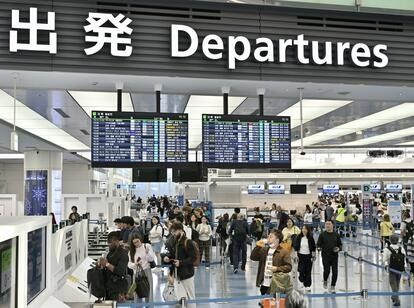
Japan has implemented a significant fiscal restructuring of its travel and tourism framework, tripling the departure tax to 3,000 yen (US$18) per person and dramatically increasing visa application costs for foreign visitors, marking the government's most aggressive intervention yet to address the mounting pressures of record inbound tourism. The changes, which took effect on Wednesday, July 1, represent a comprehensive policy shift designed to balance the economic benefits of international visitors with the infrastructure and environmental costs their concentration in major cities has created.
The departure tax increase from 1,000 yen to 3,000 yen applies uniformly to all passengers leaving Japan regardless of nationality, collected seamlessly at the point of ticket purchase through airlines, cruise operators, and travel agencies. This mechanism ensures broad-based revenue collection while minimising disruption to travellers. The government projects the tax will generate approximately 130 billion yen in fiscal year 2026, more than double the 49 billion yen collected in the previous fiscal year ending March. This substantial revenue stream provides Tokyo with substantial funding to tackle overtourism's visible consequences, particularly the chaotic crowding at Instagram-famous locations that has frustrated both locals and visitors seeking authentic experiences.
Foreign visa fees have undergone their most significant overhaul in nearly half a century. Single-entry visas now cost 15,000 yen—a fivefold jump—while multiple-entry visas increased to 30,000 yen. Foreign Minister Toshimitsu Motegi justified the increase by citing inflation and yen depreciation, emphasising that Japanese visa charges had remained substantially lower than those imposed by other Group of Seven nations, creating an imbalance that Tokyo has now addressed. The government expects these higher fees will not immediately deter international tourism given that visa costs represent only a minor portion of total travel expenditure, though they may influence long-term booking patterns among budget-conscious segments.
The government simultaneously reduced passport fees for Japanese citizens, offsetting the burden of the new departure tax on domestic residents. Standard 10-year passport applications at counters dropped dramatically to 9,300 yen from 16,300 yen for adults, while five-year passports for applicants under 18 were standardised at 4,800 yen. Online applicants receive further discounts—8,900 yen and 4,400 yen respectively—creating incentives for digital processing. This strategic reduction addresses a policy concern that has preoccupied Japanese planners: the nation's passport ownership rate lags significantly behind other major developed economies, a metric Japanese officials view as problematic for both economic competitiveness and cultural exchange.
The revenue from elevated departure and visa fees will finance a multifaceted strategy extending far beyond simple congestion management in Tokyo and Kyoto. The government has allocated substantial portions toward establishing designated viewing zones at overcrowded tourist attractions, reducing the anarchic scrambling that has characterised popular photography spots. These managed areas represent a pragmatic acknowledgment that visitor numbers cannot be meaningfully reduced, but their distribution and behaviour can be shaped through infrastructure investment. Simultaneously, revenue will support regional tourism infrastructure initiatives designed to disperse visitors away from saturated metropolitan corridors.
Central to this dispersal strategy are investments in local railway systems, transforming regional rail networks into tourist attractions rather than mere transport infrastructure. Station renovation projects receive dedicated funding, positioning smaller cities and prefectures as compelling alternatives to the Tokyo-Kyoto-Osaka triangle that currently absorbs the majority of international visitor spending. This approach recognises that Japan's interior regions possess exceptional cultural, culinary, and natural assets that remain underutilised by international travellers, partly due to insufficient marketing and accessibility improvements. By channelling overtourism tax revenue into these areas, Tokyo aims to create more balanced geographic distribution of tourism benefits.
Certain traveller categories receive exemptions reflecting government policy priorities. Children under two years old are entirely exempt, acknowledging the impracticality of taxing infants and the government's desire to support family travel. Transit passengers spending fewer than 24 hours in Japan also escape the tax, recognising that connecting passengers consume minimal local resources and generate limited economic impact. These careful exemptions suggest policy-makers understand the distinction between tourism categories, tailoring levies to those who generate genuine infrastructure demands.
The timing of implementation includes a transitional grace period. Passengers who purchased their travel tickets before the July 1 deadline remained subject to the original 1,000 yen rate, preventing the retroactive imposition of higher costs on those who had already finalised travel arrangements. This pragmatic approach demonstrates consideration for consumer fairness while ensuring clarity around the effective date.
For Malaysian and Southeast Asian travellers, these changes warrant consideration in travel budgeting and planning. The combination of higher visa fees and departure taxes will incrementally increase journey costs, though neither change fundamentally reshapes the economics of Japan travel for most visitors. Malaysians, who enjoy relatively favourable visa arrangements in Japan, will experience modest fee increases but maintain straightforward entry procedures. The policy nonetheless signals Japan's positioning of tourism as a revenue source to be actively managed rather than passively encouraged, reflecting broader global trends toward tourism taxation in destination countries facing capacity challenges.
The fiscal restructuring also reflects Japan's maturing relationship with mass tourism. Rather than pursuing unfettered visitor growth, policymakers have begun recognising quality-over-quantity principles, using financial mechanisms to moderate demand while simultaneously enhancing experiences for those who do visit. This balancing act will define Japanese tourism policy in coming years, with implications for regional competitors managing their own overtourism crises.

