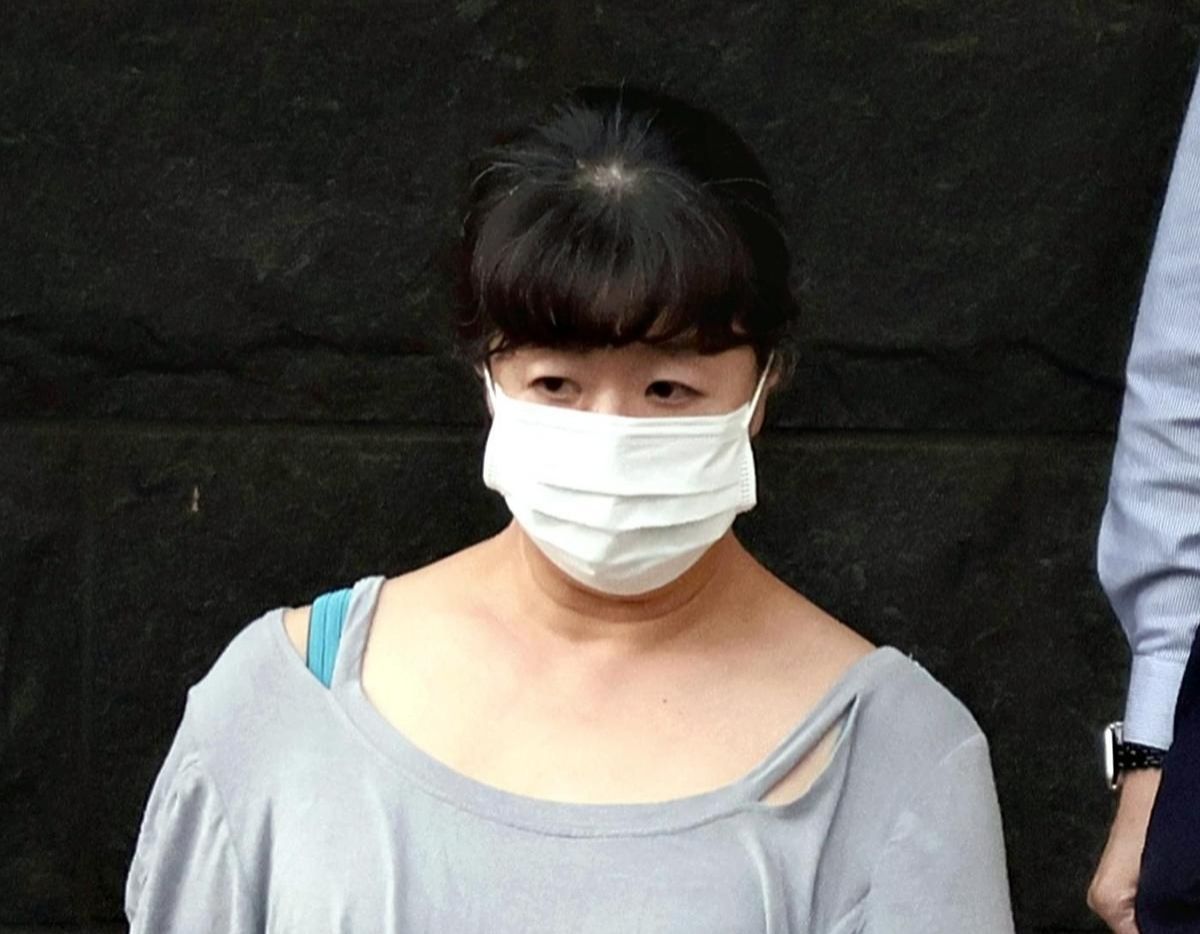
A 51-year-old midwife in Kashiwa, Chiba Prefecture, has been taken into police custody on murder charges following an investigation into the death of a 75-year-old patient at a local hospital. Miyuki Furukawa was arrested on Wednesday, July 15, on suspicion of deliberately contaminating the victim's medical equipment in what authorities describe as a deliberate act causing fatal harm. The incident occurred at Kashiwa Tanaka Hospital on January 30, when the victim, a resident of Toride in neighbouring Ibaraki Prefecture, was undergoing treatment.
According to police records, Furukawa allegedly introduced faecal matter into the extension tube of an intravenous drip at approximately 3:55 in the morning on January 30. The contamination is believed to have directly caused or significantly contributed to the patient's subsequent decline. The man died approximately 19 hours later at 10:30 in the evening on January 31, following a rapid deterioration in his condition. The timeline between the alleged contamination and death proved crucial in establishing a causal link for the charges filed against the accused.
The discovery of this incident raises serious questions about hospital safety protocols and the mechanisms by which healthcare staff gain access to vulnerable patients' medical apparatus. Intravenous lines represent critical lifelines for hospitalised patients, delivering necessary medications and fluids directly into the bloodstream. The deliberate introduction of biological contaminants into such systems represents one of the most dangerous forms of medical tampering, as pathogens introduced directly into the circulatory system can cause rapid systemic infection and organ failure. This case underscores the potential vulnerability of hospitalised patients to malicious acts by individuals with medical credentials and access to treatment areas.
The Chiba prefectural police have commenced a comprehensive investigation into Furukawa's background, employment history, and potential motives for the alleged crime. Investigators are examining whether this incident was an isolated occurrence or part of a broader pattern of behaviour. Questions remain about how a midwife—a healthcare professional whose typical role involves assisting with childbirth and maternal care—came to have access to IV equipment in what may have been a different hospital department. The circumstances surrounding her presence near the patient's bed at such an early hour are also under scrutiny.
This case resonates particularly in Japan, where trust in healthcare institutions has historically remained high. Healthcare-related crimes involving deliberately harmed patients are exceptionally rare in the Japanese medical system, making this alleged incident particularly shocking to the public and the medical community. The case draws comparisons to historical criminal cases in Japan involving healthcare workers, including nurses and doctors who have been prosecuted for similar acts of patient harm, though such cases remain statistically uncommon compared to other developed nations.
The implications extend beyond Japan's borders. Southeast Asia, including Malaysia, operates within similar healthcare frameworks where medical professionals maintain extensive access to patients and sensitive equipment. The incident serves as a cautionary reminder that healthcare institutions across the region must continually evaluate and strengthen their oversight mechanisms, particularly regarding who can access patients' medical devices and under what circumstances. Many hospitals in Malaysia and the broader ASEAN region have implemented additional safeguards following high-profile cases of healthcare worker misconduct elsewhere, yet this Japanese case demonstrates that even seemingly secure environments may harbour vulnerabilities.
Patient safety committees and hospital administrations throughout Asia are likely to review their protocols in light of this case. The deliberate contamination of medical equipment represents a sophisticated form of harm that requires not only physical security measures but also behavioural monitoring and psychological assessments of staff members with access to vulnerable patients. Many healthcare facilities have begun implementing systems that create witness accounts for high-risk interventions and enhance documentation of who accesses critical equipment and when.
For Malaysian healthcare stakeholders, this case reinforces the importance of maintaining robust criminal background checks for all medical personnel, regular refresher training on ethical standards, and psychological evaluation programmes for healthcare workers. The case also highlights the need for open reporting channels through which colleagues or family members can raise concerns about suspicious behaviour without fear of retaliation. Hospital management systems that create transparency around staff movement in critical care areas, including intensive care units and patient wards, have proven effective in deterring and detecting such misconduct.
The investigation by Chiba prefectural police will likely reveal important details about how the contamination occurred and whether any systemic failures enabled the alleged act. Forensic examination of the IV equipment, medical records, and witness statements from hospital staff present that morning will be essential to establishing the precise sequence of events. The prosecution will need to demonstrate not only that the contamination occurred but also that Furukawa specifically caused it and that she acted with intent to cause serious harm or death, establishing the mens rea required for a murder conviction under Japanese law.
As the legal proceedings unfold, this case will almost certainly prompt comprehensive reviews within Japanese healthcare institutions and potentially across Southeast Asian medical systems regarding staff conduct, patient protection, and the safeguarding of medical equipment. The alleged actions represent a profound breach of the trust that patients place in healthcare professionals and the sacred responsibility that medical workers assume when they enter the profession.

