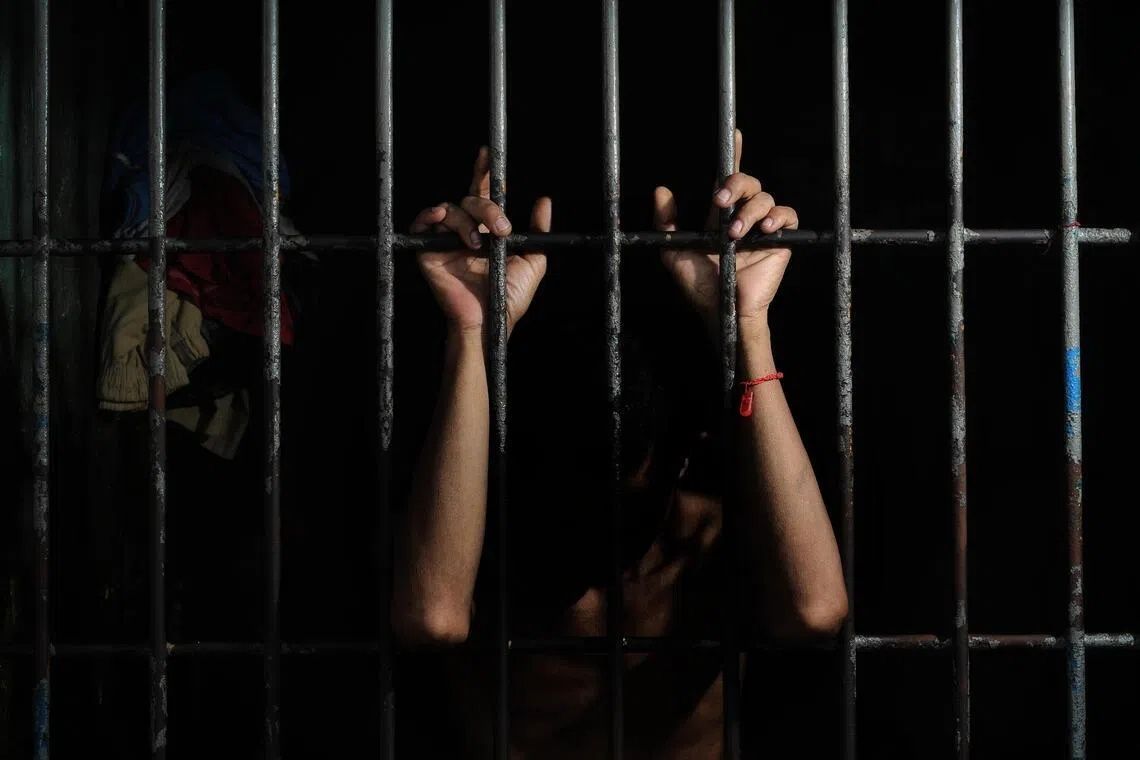
A devastating lawsuit filed in Kobe district court this week brings fresh attention to Japan's controversial approach to criminal detention, particularly in cases involving young suspects. The mother of a 16-year-old girl identified as Runa in court documents is seeking 100 million yen (approximately US$623,000) in compensation after her daughter's death from severe malnutrition five months following her release from custody. The case represents one of the most tragic outcomes yet of what critics call "hostage justice" — a systemic practice where authorities leverage prolonged detention and intensive interrogation to pressure suspects into confessing, regardless of guilt or innocence.
Runa's ordeal began in June of the previous year when she was arrested at her workplace, a care facility for people with disabilities in Hyogo region, following an alleged incident during a Valentine's Day celebration. The accusation was extraordinarily minor: authorities claimed she had assaulted a patient by pressing her hand against the resident's chin to prevent biting behaviour. Runa consistently maintained her innocence, explaining that her action was a protective measure to stop the patient from injuring another person. Despite this straightforward explanation and the trivial nature of the alleged offence, authorities kept her in custody for a gruelling 18 days before finally deciding to abandon all charges entirely. The decision to drop the case altogether rather than proceed suggests authorities had insufficient evidence from the outset, raising serious questions about the justification for her arrest and detention.
During those three weeks in jail, Runa endured conditions that systematically eroded her mental and physical health. She was isolated from her family, permitted contact only with her legal representatives, and subjected to repeated interrogation sessions designed to extract a confession. Investigators employed psychological pressure tactics, including threatening her with placement in a reformatory and warning that she would be denied access to her mother unless she admitted guilt. As documented in a journal Runa kept during detention, officers repeatedly told her variations of "You did it, didn't you? Just tell the truth," tactics that Masahiro Sasaki, her mother's lawyer, characterises as quintessentially coercive. The relentless pressure and isolation took an immediate toll, resulting in diagnoses of acute stress disorder, eating disorders, and post-traumatic stress disorder before her release.
The decision to release Runa came only after a medical crisis forced the authorities' hand. Following a collapse and vomiting episode that required hospitalization, Runa was finally released on the basis of non-prosecution — meaning authorities formally acknowledged they would not pursue charges. By then, the damage was profound. When her mother saw her again, she was unrecognisable, having lost extreme amounts of weight. The young woman's health continued deteriorating over the following months, and she died in December, just five months after her release. Medical evidence suggests that the stress-induced eating disorders and psychological trauma sustained during her detention directly contributed to her fatal emaciation. Her mother's anguish is evident in her statement at a press conference: "I want to know what happened to her, and why she was arrested, detained and had to die."
Runa's case illuminates deeper structural problems embedded within Japan's criminal justice system. The nation's approach to criminal investigation places heavy reliance on confessions, with interrogation techniques often designed to overwhelm suspects psychologically rather than establish guilt through evidence. The system operates under an assumption of guilt that contradicts formal legal principles of innocent-until-proven-guilty, with the burden effectively placed on suspects to prove their innocence rather than on prosecutors to demonstrate culpability. Young suspects like Runa receive limited protection despite their vulnerability; authorities justified her detention as necessary for investigation purposes, though she had no previous delinquency record, lived under parental supervision, and presented no flight risk or likelihood of destroying evidence. Prosecutors twice requested detention extensions while simultaneously blocking her lawyer's legal petitions to the judge for her release — a procedural asymmetry that heavily favours the state.
The term "hostage justice" has become widely used by human rights advocates and legal scholars to describe this system where detention functions as leverage to secure confessions. Suspects facing indefinite detention often face an impossible choice: remain silent and imprisoned indefinitely, or confess to crimes they may not have committed in hopes of securing release. This dynamic fundamentally undermines the reliability of confessions as evidence and creates perverse incentives that can lead to wrongful convictions. The system disproportionately affects vulnerable populations, including young people, those with limited legal knowledge, and individuals without access to experienced defence counsel who understand how to navigate these pressures.
International human rights organisations have repeatedly condemned Japan's interrogation and detention practices. The case of Iwao Hakamada, who spent decades on death row before his convictions were quashed in 2024, demonstrates the catastrophic consequences of over-reliance on coerced confessions. The Supreme Court ruled that Hakamada's confessions had been extracted through "inhumane" interrogation methods, yet these confessions had been sufficient to convict him of murder and sentence him to death. Only decades later, after substantial evidence emerged of his innocence, was he exonerated. Such cases demonstrate that Japan's "hostage justice" system not only causes immediate harm through traumatic detention experiences but can result in grave miscarriages of justice with irreversible consequences.
The Kobe District Public Prosecutors Office declined to provide substantive comment when contacted by media, stating only that they had not yet formally received the complaint — a procedurally accurate but evasive response that sidesteps the larger questions about interrogation practices and detention standards. Yet the case demands accountability and systemic change. Runa's arrest itself appears questionable; the alleged assault was described by her lawyer as "extremely trifling," and the therapeutic intervention she attempted was entirely consistent with standard care facility protocols. The decision to detain her, the aggressive pursuit of detention extensions, and the coercive interrogation tactics all occurred within legal parameters as currently defined — which itself indicates the problem.
For Malaysian and Southeast Asian observers, Runa's case serves as a cautionary example of how even wealthy, developed democracies can maintain criminal justice systems that fail vulnerable populations. Japan's sophisticated legal infrastructure and international reputation for rule of law mask systemic practices that would draw immediate criticism if implemented elsewhere. The case also highlights the particular vulnerability of young people in custody and the importance of robust independent oversight of detention conditions and interrogation practices. As Malaysia and other regional nations continue developing their own criminal justice frameworks and training law enforcement, Japan's experiences offer important lessons about the dangers of allowing interrogation-driven investigation systems to operate without adequate safeguards for the rights of suspects, particularly minors.