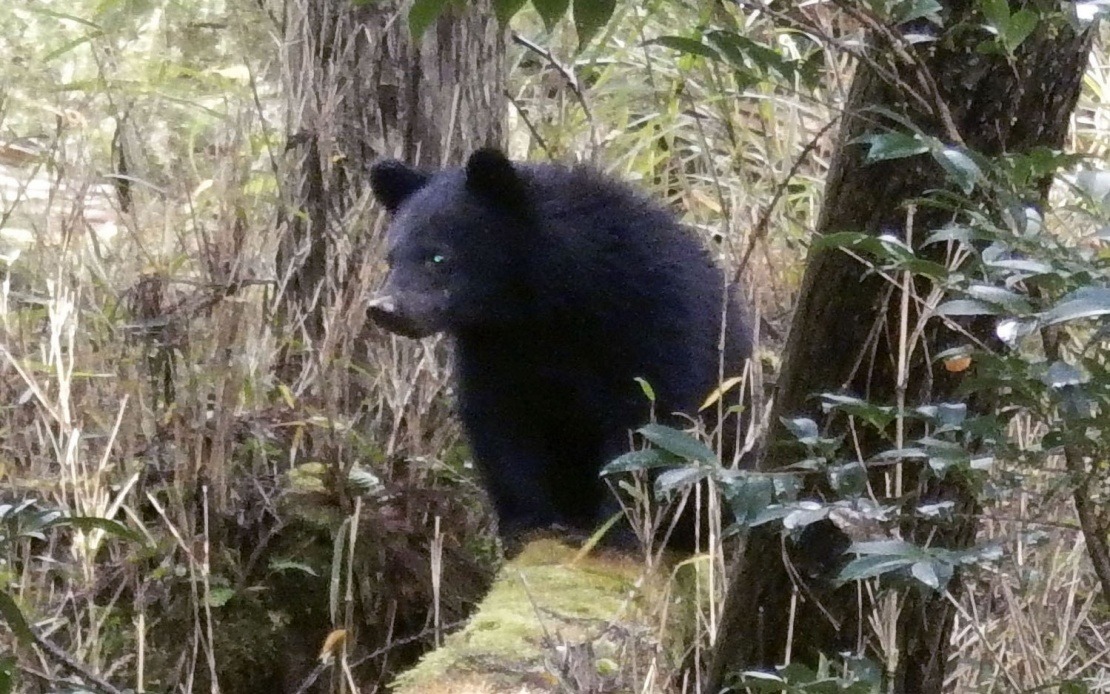
Japan's wildlife crisis has taken an unexpected turn into a public administration nightmare, as frontline government workers face intense harassment while managing an unprecedented surge in bear sightings across the country. According to findings released by the Ministry of Internal Affairs and Communications from a year-long survey, more than 40 per cent of the local governments responding have endured abusive complaints and exhausting phone calls as citizens vent their frustrations over how authorities handle encounters with the animals. The situation has become so severe that it is now significantly hampering the ability of municipal staff to perform their core functions.
The ministry surveyed 40 prefectural and municipal governments to understand the impact of escalating bear-related incidents on local administration. Out of these 17 local authorities reported that managing bear-related grievances had materially disrupted their regular operations. This is not merely an inconvenience but a genuine operational crisis, with several municipalities calling for the national government to establish clear guidelines on how to respond to public complaints about wildlife management policies. The burden has shifted from field management to office management, creating an unexpected administrative bottleneck across affected regions.
The nature of complaints reveals deep ideological divisions among Japan's citizens over wildlife protection. Within the 17 most-affected municipalities, 10 reported being subjected to marathon phone calls exceeding one hour in duration from angry callers. Five authorities indicated they had been overwhelmed by digital complaints flooding their email systems and web forms. These are not isolated incidents but systematic campaigns of contact designed to pressure officials into changing their approach.
Specific examples illustrate the intensity of public hostility. Some callers have made emotionally charged demands such as "Don't you ever kill bears!" while others have engaged in repetitive harassment, calling repeatedly with demands to speak directly with governors. The pattern suggests coordinated activism rather than organic public concern. Conversely, other complaints take the opposite stance entirely, with citizens demanding more aggressive culling after captures. Following one instance where authorities released a captured bear, the responsible municipality was inundated with messages asking "Why didn't you kill it?" This ideological polarisation has left officials caught between irreconcilable public demands.
Perhaps most troublingly, the survey documented a case of personal harassment targeting an individual employee. An animal rights advocate photographed the staff member handling bear-related matters without consent and subsequently published the images online, a tactic that crosses the line from complaint into intimidation. Such behaviour raises serious concerns about the safety and wellbeing of public servants attempting to execute their duties.
The underlying driver of this crisis is Japan's unprecedented wildlife emergency. The nation recorded more than 50,000 bear encounters in the year through March, roughly double the figure from the previous year and representing an all-time high. This explosive increase in human-wildlife conflict has strained response capacity across every level of government. The animals, driven into populated areas by habitat loss and food scarcity, have created a genuine public safety emergency that local authorities have struggled to manage effectively.
For Malaysian and Southeast Asian observers, Japan's experience offers important cautionary lessons about managing wildlife conflicts in densely populated regions. As urbanisation and climate change push animal populations into human settlements across Asia, governments will increasingly face similar situations. The Japanese case demonstrates that the technical challenge of managing wildlife is often far simpler than the social and political management of public expectations and opinions.
The Ministry of Internal Affairs and Communications has acknowledged the problem, with officials stating that "measures are needed to reduce the burden on frontline staff." However, such statements remain vague about actual solutions. Potential approaches might include establishing dedicated complaint hotlines separate from operational departments, training specialist staff to handle hostile calls, implementing transparent decision-making frameworks to reduce perceived arbitrariness, and perhaps most importantly, building public consensus around wildlife management principles before crises occur.
The broader implication is that modern governance increasingly requires managing not just physical crises but information environments and polarised public opinion. As environmental issues become more visible and emotional, governments must develop capacity not only to respond to actual problems but to communicate effectively with deeply divided constituencies. Japan's bear crisis has exposed a gap in administrative capacity that extends beyond wildlife biology into public communication and stakeholder management.
The situation also raises questions about how Asia's rapid urban expansion will create similar flashpoints. Malaysia, Indonesia, Thailand, and other regional nations with significant wildlife populations face the prospect of increasing human-animal conflicts as forests shrink and populations grow. Whether those governments can establish better frameworks for managing both the wildlife encounters and the attendant social tensions remains an open question. Japan's current struggle suggests that reactive, crisis-driven approaches inevitably lead to administrative breakdown and public frustration.

