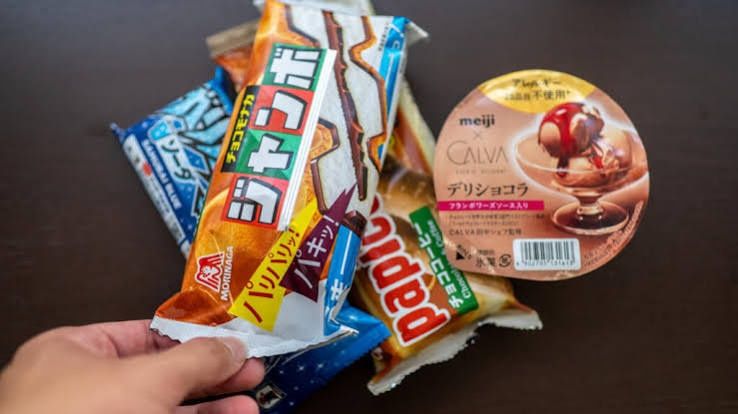
Japan's antitrust regulator has intensified scrutiny of the country's ice cream industry, raiding the headquarters of six leading manufacturers on suspicion of orchestrating coordinated price increases. The action underscores growing concern that dominant players in the sector have been collaborating to maintain higher retail prices, a practice that would constitute a serious breach of competition law. The targeted companies represent a substantial portion of Japan's ice cream market, and the investigation carries significant implications for consumers heading into the peak summer selling season.
The Japan Fair Trade Commission (JFTC) conducted searches at the head offices of Meiji Co., Morinaga Milk Industry Co., Lotte Co., Ezaki Glico Co., Morinaga & Co., and Akagi Nyugyo Co. on Tuesday, according to confirmations from company officials and sources with knowledge of the operation. The sweeping nature of the raids, targeting multiple market leaders simultaneously, suggests investigators possess substantial evidence of potential wrongdoing. Such coordinated action by the competition authority is relatively uncommon in Japan and signals the seriousness with which regulators are treating the alleged violations.
According to sources familiar with the investigation, company officials are believed to have maintained communication over an extended period to synchronise the timing and magnitude of price increases. The mechanism for coordination reportedly included email exchanges and in-person meetings, leaving a paper trail that would assist investigators in establishing the conspiracy. This pattern of behavior is precisely what antitrust authorities identify as cartel activity, wherein competitors abandon independent pricing decisions in favor of joint strategy. The alleged collusion reportedly began around 2022 and has continued through subsequent years.
Observations by Japanese media indicate that since approximately 2022, the six firms have implemented retail price increases on roughly the same schedule each year. Such synchronized pricing moves across competing firms would be highly unusual in a genuinely competitive market, where independent cost pressures and strategic decisions would typically result in staggered or varied price adjustments. The clustering of price hikes around similar timeframes, repeated annually, provides circumstantial evidence supporting the JFTC's suspicions of deliberate coordination rather than coincidental market movements.
Beyond the coordination itself, the JFTC is examining whether the companies exploited inflationary conditions to impose price increases that substantially exceeded what legitimate cost pressures would justify. This dimension of the investigation focuses on whether raw material expense increases—a common justification for price hikes—were used as cover for aggressive margin expansion. The regulator's concern reflects a pattern observed in various industries globally during inflationary periods, where some firms cite genuine cost pressures while simultaneously improving profitability at rates inconsistent with actual input cost growth.
The six targeted companies have adopted a largely cooperative stance with authorities. Five of the firms issued statements on Tuesday or Wednesday confirming that JFTC officials had conducted on-site inspections at their facilities and pledging to assist the investigation fully. Natsuyo Suzuki of Akagi Nyugyo similarly confirmed the firm's commitment to cooperating with investigators following the inspection. This apparent willingness to engage with the regulatory process may reflect the companies' understanding that non-cooperation would invite additional scrutiny and potentially harsher treatment from the JFTC.
Should the JFTC determine that a cartel arrangement existed among the defendants, the regulatory consequences would be substantial. The competition authority possesses the power to issue cease-and-desist orders requiring the firms to modify their business practices and terminate any ongoing coordination. Additionally, the JFTC can impose financial penalties on companies found to have violated antitrust law. In cases involving major corporations and significant market impact, these fines can reach substantial sums, providing a meaningful deterrent effect.
The timing of this investigation coincides with peak demand season for ice cream in Japan. During summer months, ice cream sales accelerate sharply as consumers seek relief from heat and humidity. The industry experienced a particularly strong fiscal year ending in March, with total ice cream sales reaching a record level exceeding 660 billion yen, driven partly by Japan's notably hot summer conditions. The nation endured its hottest summer since reliable record-keeping began in 1989, creating ideal conditions for surging ice cream consumption.
For Malaysian and Southeast Asian observers, this case illustrates the increasingly assertive stance that regional competition authorities are adopting toward potential cartel activity. Japan's JFTC action demonstrates that even mature, established firms operating in seemingly stable markets face heightened regulatory scrutiny. The investigation also highlights how pricing patterns and communication records can serve as evidence in competition cases, a lesson relevant for businesses operating across the region. As consumer goods prices remain a sensitive political and economic issue throughout Southeast Asia, authorities in countries including Malaysia are likely to monitor the Japanese case closely and may apply similar investigative approaches to their own markets where coordinated pricing is suspected.