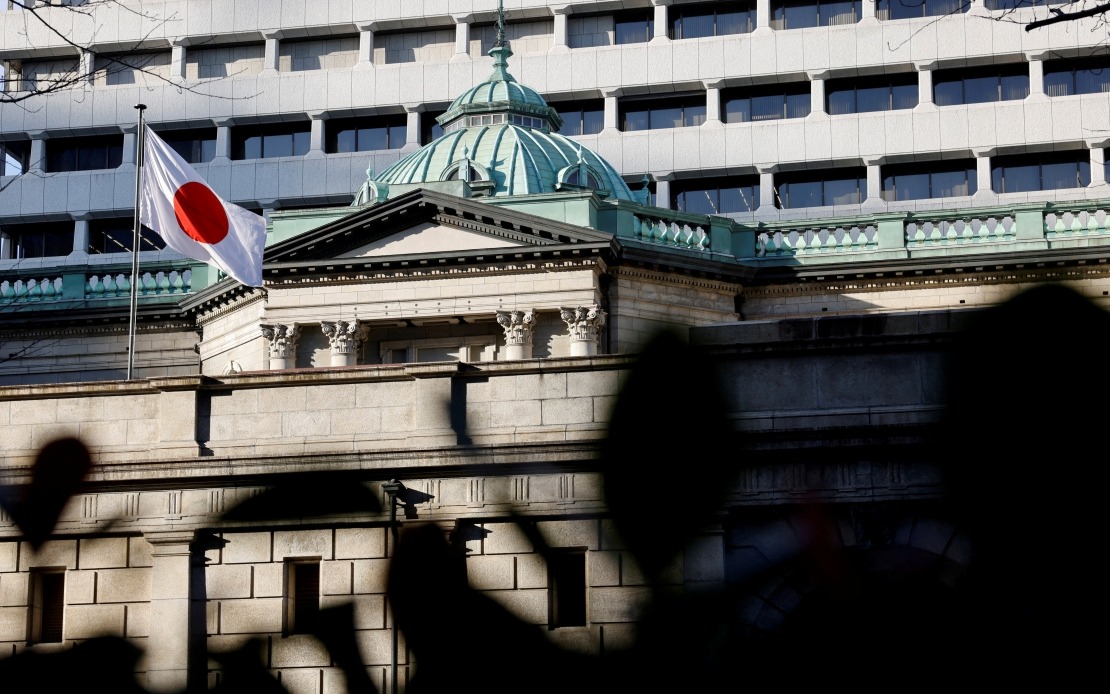
Japan has taken a significant step by enacting a law that prohibits the desecration of its national flag, a move that has intensified the longstanding tension between safeguarding national symbols and upholding freedom of expression. The legislation comes amid growing anxiety among observers who worry that the regulatory framework could embolden right-wing movements within Japanese society. Critics have voiced concern that Prime Minister Sanae Takaichi's administration is deliberately cultivating an environment of nationalist fervor and supremacist ideology, raising questions about the direction of Japanese politics and its implications for civil liberties in the region.
The Japanese situation reflects a broader global pattern of how nations approach the protection of their symbols, with dramatically different legislative responses depending on constitutional traditions, historical experiences, and political values. Examining international approaches reveals that there is no universal consensus on where the line between patriotism and freedom should be drawn, and each country's stance reflects its unique historical journey and contemporary political dynamics.
Germany presents a particularly stringent example, having embedded protection for its national flag within a comprehensive framework that also guards the national anthem and other state symbols. The German legal system imposes penalties ranging from imprisonment of up to three years to substantial fines for violations, with sentences potentially doubling to five years if the offense was calculated to undermine the constitutional order. This severe approach carries particular historical weight in Germany, where the flag itself became a fraught symbol following the nation's division in the post-World War II era, particularly within West Germany where its public display was approached with considerable caution.
The trajectory of German flag usage illustrates how national symbols can shift in meaning and social acceptance over time. The 2006 FIFA World Cup hosted in Germany represented a turning point, loosening public restraint around flag display and fostering broader national celebration through the symbol. However, recent years have witnessed a troubling association between the flag and anti-immigration political movements, with critics contending that contemporary flag display carries connotations of exclusivity and hostility toward outsiders. This dynamic demonstrates how the same symbol can be reclaimed and reinterpreted by different political movements, complicating the relationship between flag protection and xenophobia.
France similarly privileges its tricolor flag through legal protections, viewing it as an emblem of national unity and the foundational ideals of liberty, equality, and fraternity. French law criminalizes public destruction or degradation of the flag, positioning it within a conception of the national symbol as inextricably linked to civic values rather than ethnic or exclusive nationalism. This framing offers a contrasting perspective to that which emerged in Germany, emphasizing universalist rather than particularist nationalism.
Asia's largest democracy, China, operates a regime of stringent flag protection involving penalties of up to three years imprisonment for flag-related offenses. The authorities supplement legal restrictions through systematic patriotic education initiatives and daily ceremonial practices, including the sunrise flag-raising at Beijing's Tiananmen Square. Enforcement has been notably unforgiving, with documented cases including a two-year prison sentence for a resident in Tianjin who slashed 66 flags at a residential compound, and administrative detention in Qinghai Province for someone who converted a national flag into a domestic curtain. These cases underscore how strictly flag protection can be applied.
Iran presents a more complex picture, particularly given its Islamic constitution. While no explicit statute addresses flag desecration alone, the flag's incorporation of the word "Allah" means that damage is widely understood as blasphemy against Islam. Recent political turbulence, specifically anti-government demonstrations in the latter part of last year, prompted discussions about strengthening penalties. However, the leadership has pursued a measured course, prioritizing national unity rhetoric in the context of heightened tensions with the United States over establishing deterrence against harsh enforcement actions that might further destabilize society.
South Korea similarly restricts flag desecration, with laws permitting up to five years imprisonment for intentional damage undertaken to insult the state. Legal scholars and human rights advocates have mounted substantive criticism, arguing that these provisions excessively constrain legitimate freedom of expression and protest, particularly for those seeking to voice dissent through symbolic action. The proposed establishment of a national "flag day" suggests efforts to deepen patriotic observation and emotional investment in the symbol.
The United States occupies a distinctive position within global jurisprudence, having developed constitutional doctrine that shields flag desecration as protected political speech. The landmark 1989 Supreme Court decision in Texas v. Johnson determined that burning the flag during anti-Vietnam War protests constituted expression safeguarded by the First Amendment. This ruling reflected the American historical experience as an immigrant nation with competing constituencies and deep-rooted traditions of dissent. Despite this precedent, the political landscape has remained contentious, with former President Donald Trump issuing an executive order last August directing the Justice Department to prosecute flag desecration and related offenses, demonstrating that even in America's permissive constitutional environment, flag protection remains politically charged.
Japan's new legislation must be understood within this broader international context of competing values and different democratic choices. As a developed democracy with strong free press traditions and vibrant civil society, Japan's decision to criminalize flag desecration represents a notable departure from the permissiveness established in cases like the United States and suggests alignment with more restrictive approaches. The question facing Japanese society, policymakers, and regional observers is whether such measures represent a calibrated balance between reasonable patriotic expression and legitimate state interests, or whether they signal the beginning of a concerning trajectory toward suppressed dissent and narrowed civic space. For Malaysia and other Southeast Asian democracies grappling with their own questions about patriotic symbols, national identity, and permissible speech, Japan's experience offers cautionary lessons about unintended consequences when national symbols become flashpoints in broader ideological struggles.

