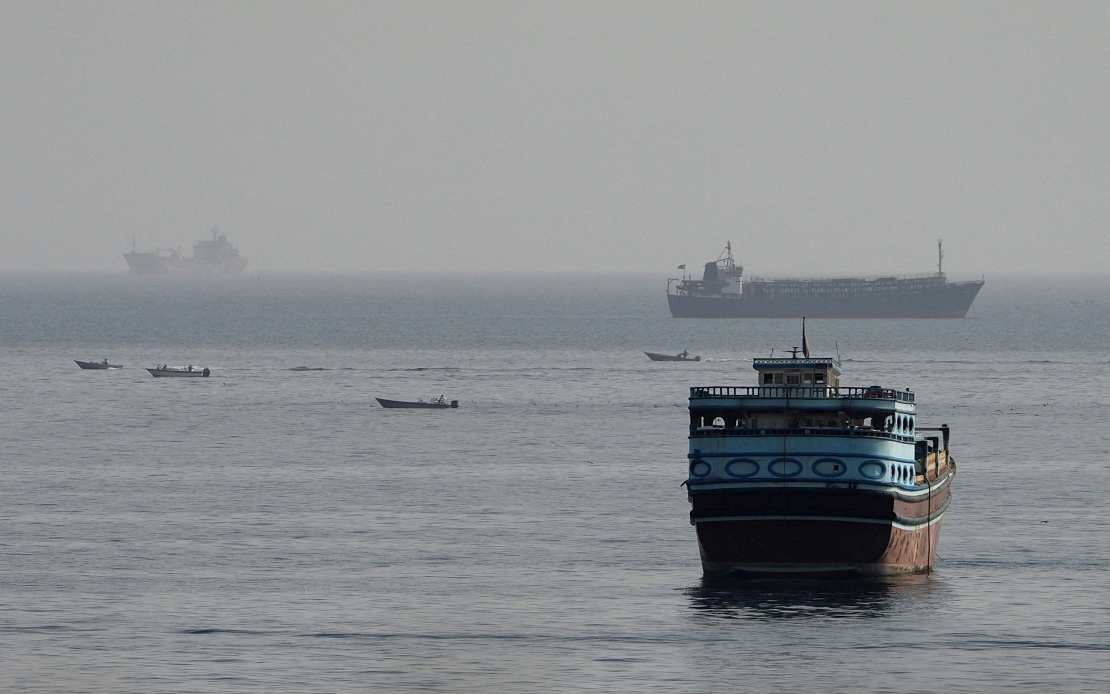
Japanese Prime Minister Sanae Takaichi has publicly urged Iran to refrain from imposing any supplementary levies on maritime traffic through the Strait of Hormuz, underscoring Tokyo's concern about maintaining open and stable passage through one of the world's most strategically vital waterways. During a telephone conversation with Iranian President Masoud Pezeshkian on Wednesday, Takaichi emphasised that the critical chokepoint between Iran and Oman must remain accessible without additional financial burdens on vessels, a position she reiterated to journalists at her Tokyo office.
The timing of these remarks reflects escalating anxieties within Japan's government over regional maritime security and the effective closure of the Strait of Hormuz, a passage through which roughly one-third of globally traded petroleum flows. With US-Iran diplomatic negotiations stalled and broader Middle Eastern tensions mounting, the prospect of further restrictions or financial barriers at this key transit zone carries profound implications for Japan's energy security and economic stability. Tokyo, which depends heavily on imported crude oil and liquefied natural gas, stands particularly vulnerable to any disruption of established shipping corridors.
Takaichi simultaneously conveyed what her office characterised as "deep concern" regarding deteriorating security conditions in the Bab el-Mandeb Strait, located on the opposite side of the Arabian Peninsula. She specifically requested that the Iranian government exert diplomatic pressure on the Tehran-aligned Houthi movement in Yemen, appealing for greater restraint from the militant faction as it maintains a self-declared maritime blockade targeting vessels with ties to Saudi Arabia. This dual messaging demonstrates Japan's delicate balancing act: maintaining functional relations with Iran while clearly identifying the Houthis as a destabilising force threatening international shipping.
The Houthis, who announced their blockade in July, have systematically attacked commercial shipping in the Bab el-Mandeb Strait, including a recent lethal assault on a cargo vessel operating through the waterway. These attacks have prompted shipping companies and maritime operators to seek alternative routes, with the Bab el-Mandeb increasingly serving as a substitute passage for crude oil transport as confidence in the Strait of Hormuz continues to erode. For maritime traders and energy markets, the emergence of competing chokepoints introduces unpredictable costs and delays, complicating global supply chains already strained by geopolitical fragmentation.
This conversation between Takaichi and Pezeshkian represents their first direct exchange since June and their fourth interaction since the conflict between the United States, Israel, and Iran intensified following military escalations in late February. The frequency of communication underscores Japan's determination to preserve open channels with Tehran despite Tokyo's close security alliance with Washington. Japan has historically cultivated pragmatic relations with Iran independent of its broader Western partnerships, recognising that complete isolation of Tehran serves neither stability nor Japanese economic interests across the Middle East.
Japan's position on maritime fees and Hormuz passage reflects broader regional anxieties about trade protectionism masquerading as security measures. Any imposition of levies by Iran on Hormuz transit would likely trigger international backlash and potentially invite retaliatory actions from other naval powers invested in maintaining freedom of navigation. For Southeast Asian nations including Malaysia, which depend on these same shipping corridors for energy supplies and commercial exports, the precedent of charging additional fees could establish a dangerous template for other states controlling strategic waterways.
The substance of Takaichi's appeal to Pezeshkian operates on multiple levels. On the surface, it requests Iranian forbearance on a specific commercial issue. More fundamentally, however, it signals Japan's commitment to preserving the existing international maritime order and avoiding the fragmentation of global trade into competing spheres of influence and controlled access. Tokyo recognises that unilateral restrictions or fees imposed on the Strait of Hormuz would destabilise energy markets, elevate shipping costs globally, and reinforce perceptions of Iran as a revisionist power unwilling to participate in established international norms.
The backdrop of stalled US-Iran negotiations adds weight to Japan's diplomatic initiative. With Washington and Tehran unable to resolve their disputes through diplomatic channels, third-party actors like Japan assume heightened importance as potential bridges or voices of moderation. Tokyo's willingness to engage directly with Iranian leadership on specific maritime concerns demonstrates that Tokyo views itself as a stakeholder in regional stability rather than merely an observer aligned with Western positions.
For Malaysia and other Southeast Asian economies, Japan's advocacy for barrier-free Hormuz passage carries direct relevance. Disruptions to Middle Eastern energy supplies or escalating transportation costs would immediately raise fuel prices and shipping expenses throughout the region, affecting everything from manufacturing competitiveness to household energy bills. Malaysian shipping companies and energy importers depend on predictable transit costs and reliable passage through these critical corridors, making Japan's diplomatic efforts partly aligned with broader Southeast Asian interests in maintaining stable maritime commerce.
The pressure Takaichi brought to bear on Iran regarding Houthi restraint similarly reflects shared regional concerns about non-state actors disrupting international commerce. The Houthi maritime campaign, while ostensibly targeting Saudi vessels, has already affected neutral shipping and civilian cargo operations, establishing a precedent for how militant movements can weaponise geographic advantage to impose economic costs across multiple nations simultaneously.
Japan's diplomatic engagement with Iran on these maritime issues also reflects Tokyo's calculation that dialogue remains preferable to allowing the Middle Eastern situation to deteriorate further. As a nation without direct military presence in the Gulf region, Japan must rely on diplomatic persuasion and the leverage of economic relationships to influence outcomes. Takaichi's public articulation of Japan's position signals to both Iran and the international community that Tokyo will advocate for maintaining open trade channels regardless of geopolitical alignments, a stance that distinguishes Japan's approach from more confrontational Western policies.

