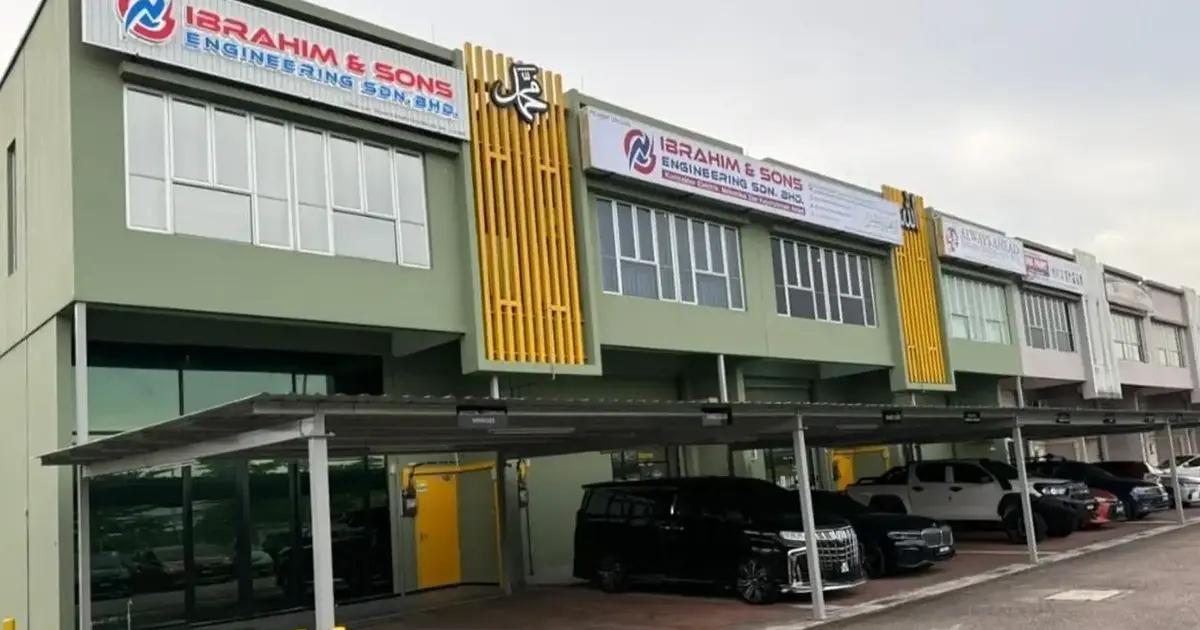
A dispute between two engineering firms has escalated into a legal battle centred on corporate reputation and the use of public platforms to settle business grievances. Ibrahim & Sons Engineering Sdn Bhd, based in Johor Bahru, has filed a counter-suit against the Steel Hawk group, asserting that the rival company orchestrated what it characterises as a calculated media campaign intended to damage the firm's standing and suggest fraudulent conduct by its directors.
The allegation raises questions about how corporate conflicts are conducted in Malaysia's business sphere, particularly when disputes move beyond boardrooms and into public discourse. When companies resort to media strategies to press their claims, the boundary between legitimate public interest communication and potentially defamatory statements becomes contested terrain. Ibrahim & Sons contends that Steel Hawk's approach crossed this threshold, employing communications tactics designed specifically to harm rather than to inform.
The characterisation of the campaign as "pre-planned" carries weight in defamation law, as it suggests intent and calculation rather than reactive or defensive statements. Courts examining such cases often scrutinise whether challenged statements serve a legitimate communicative purpose or function primarily as tools for reputation damage. The company's assertion that a coordinated strategy existed points to allegations of systematically amplifying negative narratives about its operations and leadership integrity.
For Malaysia's business community, cases of this nature carry significance beyond the immediate parties involved. They establish precedents around acceptable conduct when firms find themselves in contractual disputes or partnership breakdowns. The engineering sector, in particular, operates within an ecosystem where reputation and client confidence are fundamental to securing projects and maintaining relationships with government agencies and large-scale clients. Any damage to perceived reliability or honesty can have cascading commercial consequences.
The steel and engineering industries are vital to Malaysia's manufacturing and infrastructure sectors, contributing substantially to economic output and employment. When established firms find themselves embroiled in public disputes involving allegations of dishonesty, the reputational ripples extend beyond individual companies to affect client confidence in the sector more broadly. This underscores why corporations view such attacks with particular seriousness and pursue legal remedies aggressively.
Ibrahim & Sons' decision to pursue a counter-claim rather than simply defending itself suggests confidence in its legal position and a strategic calculation that attacking the other party's conduct offers the stronger path forward. In Malaysian civil litigation, counter-suits of this nature force the court to evaluate the conduct and credibility of both parties rather than hearing a one-sided narrative. This approach can be particularly effective when the defendant believes its opponent initiated the harmful conduct.
The allegation of media strategy orchestration introduces questions about corporate communications practices in Malaysia. Companies have legitimate interests in communicating with stakeholders, journalists, and the public when business disputes arise. However, when such communications cross into deliberate misrepresentation or coordinated campaigns designed purely for reputation damage without factual foundation, they enter territory that courts may find problematic. The distinction between robust corporate advocacy and defamatory conduct remains one of the most litigated questions in Malaysian business law.
The engineering sector's reliance on government contracts and large-scale projects adds a particular dimension to reputation disputes. Public perception shapes whether clients and authorities view firms as reliable partners worthy of trust. In this context, statements suggesting fraudulent conduct strike at the heart of a company's ability to operate effectively. Even when such statements are later proven false or overstated, the damage done to client relationships and market position can be substantial and difficult to quantify for remedial purposes.
For Malaysian business practitioners and corporate counsel, this dispute illustrates the risks inherent in aggressive public positioning during corporate conflicts. While companies naturally seek to protect their interests and correct what they view as false narratives, the methods employed must stand up to legal scrutiny. Courts distinguish between statements of opinion, legitimate criticism, and factual assertions that prove damaging and defamatory. Communications that blur these lines invite counter-litigation and can transform an underlying business dispute into a protracted and costly legal engagement.
The case also reflects broader conversations about accountability in corporate disputes. When firms deploy media strategies, they ostensibly operate within the public sphere where scrutiny can theoretically be applied. However, when such strategies involve coordinated misrepresentation or selective presentation of facts designed to create false impressions, they effectively privatise damage in public channels. Ibrahim & Sons' counter-claim forces examination of whether Steel Hawk's communications crossed from legitimate advocacy into actionable defamation.
Legal outcomes in such cases establish important boundaries for how Malaysian companies can conduct disputes. Courts will need to examine the specific communications employed, their accuracy, the intent behind them, and the harm caused. This careful examination of corporate speech and its consequences helps shape business culture around how disputes should be conducted. The resolution will likely influence how similar disagreements are handled across Malaysia's engineering and manufacturing sectors in coming years.

