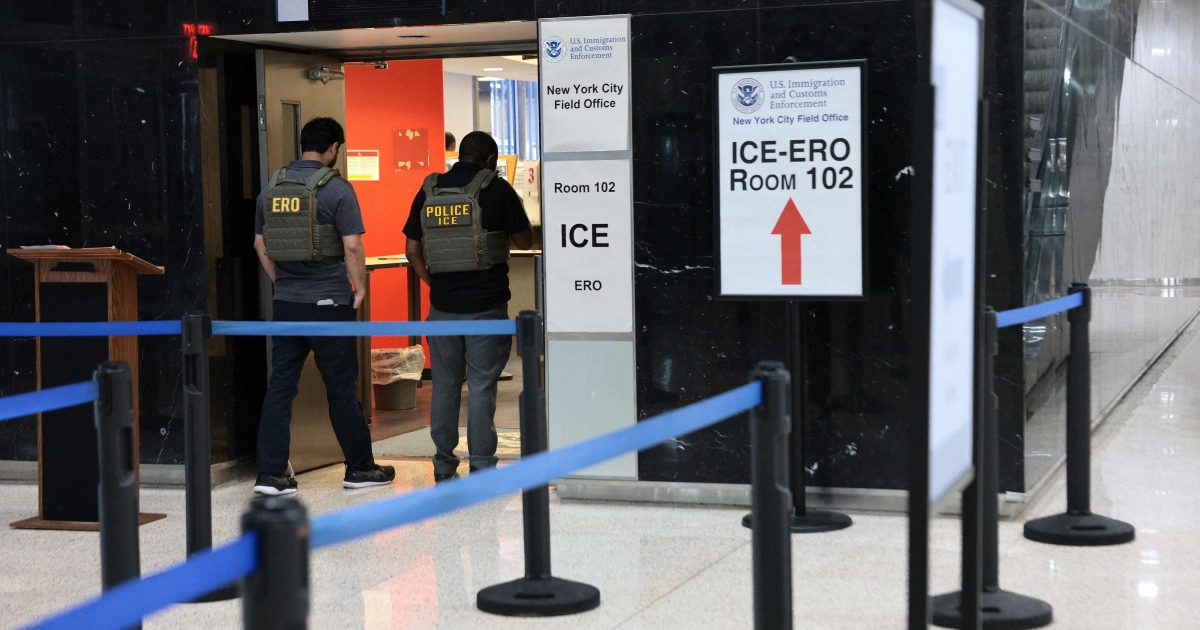
Immigration and Customs Enforcement agents apprehended a Johns Hopkins University researcher at an American airport as she prepared to board a domestic flight, marking another significant incident in an accelerating wave of immigration enforcement actions at transportation terminals across the United States under the Trump administration.
The arrest underscores the expanding scope of immigration enforcement operations that have intensified substantially in recent weeks. Airport detentions have become a focal point for US immigration authorities, with agents conducting checks at increasingly higher volumes as the administration prioritises immigration control measures at key transport nodes where travellers can be readily intercepted.
For Malaysian and Southeast Asian readers, this development carries particular significance. Many international students, researchers, and professionals from the region study or work at prestigious American universities and institutions like Johns Hopkins. The unpredictability of airport enforcement actions creates uncertainty for academics and professionals with pending immigration matters, even those engaged in legitimate research and educational activities.
The Johns Hopkins University case reflects a broader pattern observed at American airports, where enforcement activities have become more visible and frequent. The university, one of the world's leading research institutions based in Baltimore, Maryland, attracts significant numbers of international scholars and graduate students, particularly from Asia. The arrest of one of their researchers raises questions about the circumstances that led to detention and the immigration status issues that may have prompted the enforcement action.
Airport arrests present particular challenges for international academics and professionals because detentions can occur during routine travel, sometimes without warning, potentially disrupting research projects, conference attendance, and academic responsibilities. The visible nature of airport enforcement—occurring in public spaces with numerous witnesses—also generates significant attention and concern within university communities and among international student populations.
The surge in airport arrests correlates with policy directives issued by the Trump administration emphasising immigration enforcement and border security. These priorities have translated into increased operational activity by ICE and related agencies at major transportation hubs, including airports serving domestic flights. The focus on airport enforcement represents a shift in enforcement strategy that makes ordinary travel within the United States a potential point of immigration intervention.
For international researchers and academics, the implications are substantial. Those with any outstanding immigration-related issues, visa complications, or documentation concerns now face heightened risk when travelling domestically within the United States. Even routine movements between cities for academic conferences, collaborations, or institutional business can trigger enforcement encounters. This creates a chilling effect on professional mobility and academic freedom for international scholars.
The situation also reflects tension between the enforcement priorities of the federal government and the interests of American research institutions. Universities depend heavily on international talent, particularly at the graduate level and in research positions. Johns Hopkins, like many leading research universities, benefits significantly from the contributions of international scholars. Mass enforcement actions that target researchers and academics undermine institutional research capabilities and international recruitment efforts.
Southeast Asian governments and institutions have taken note of enhanced enforcement activities affecting their nationals abroad. Increasing reports of detention and arrest have prompted some countries to issue travel advisories or guidance to citizens planning to visit or work in the United States. The Johns Hopkins case, given the university's prominence, will likely receive attention from education officials and student services organisations across the region.
The broader context of rising airport arrests also reflects political and policy priorities within the Trump administration. Immigration enforcement represents a signature policy initiative, and visible enforcement actions at airports demonstrate operational commitment to these priorities. However, such enforcement also generates controversy regarding due process, appropriate oversight, and the distinction between enforcement of serious immigration violations versus routine compliance issues.
International students and researchers contemplating opportunities at American institutions must now factor in the heightened enforcement environment when considering their options. While the United States remains an attractive destination for advanced study and research, the enhanced immigration enforcement activity introduces new uncertainties and risks previously less prominent in the calculation of international students evaluating their educational choices.
The Johns Hopkins arrest and the broader pattern of airport enforcement also highlight the vulnerability of international populations in the immigration system. Unlike citizens, non-citizens lack certain protections and face more limited recourse when detained by immigration authorities. The arrest at an airport, a public space where normal expectations of privacy are already reduced, exemplifies how enforcement activities can occur with limited warning and significant disruption to an individual's plans and freedom of movement.
Moving forward, international academic institutions and student services organisations will likely intensify guidance to international scholars about their rights and responsibilities during travel. Universities may also consider advocating for clearer policies and procedures governing enforcement operations on campus and at transportation terminals, seeking to balance legitimate government enforcement concerns with institutional interests in protecting research productivity and international academic exchange.

