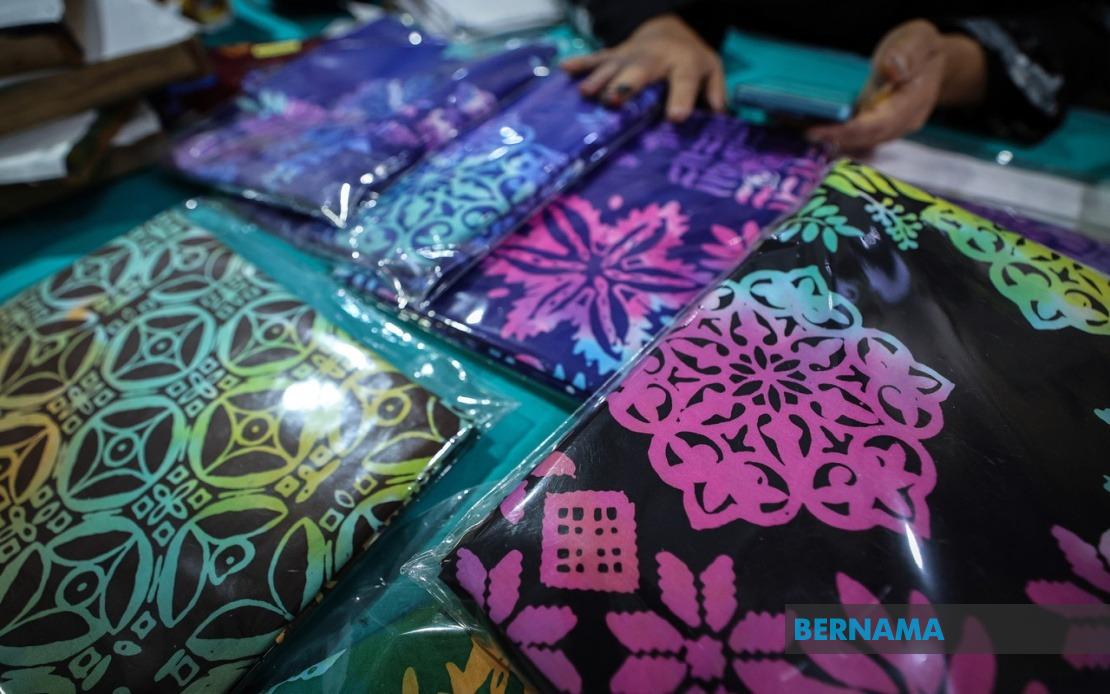
Batik production has traditionally been the domain of Malaysia's East Coast states, but Johor is rapidly establishing itself as an emerging centre for the textile art, with local artisans developing distinctive designs rooted in the state's unique heritage and natural landscape. Rather than competing directly with established batik regions, Johor's artisans are carving a specialised niche by translating the state's environmental features and historical symbols into wearable art, creating a coherent regional identity through fabric.
The designs that characterise Johor Batik draw heavily from the state's ecological and cultural distinctiveness. Motifs inspired by black pepper and gambir—historically significant crops in Johor's economy—feature prominently alongside natural elements such as mangrove forests and coral reefs that define the coastal geography. Tiger-stripe patterns, echoing Johor's wildlife heritage, have also been incorporated into the collection. This approach ensures that each piece of Johor Batik tells a story about the state itself, making the textiles not merely decorative but also carriers of local identity and pride.
At the forefront of this movement is Maimunah Yaacob, 58, a pioneering figure who has dedicated over three decades to developing and promoting batik production within Johor. Her journey into the craft began in 1993 when she received foundational training in hand-drawn canting techniques in Terengganu, followed by two additional years of intensive study at Jalan Conlay in Kuala Lumpur. This combination of exposure to established batik traditions and formal training equipped her with both technical mastery and the creative vision needed to innovate within the medium.
Maimunah's entrepreneurial venture began modestly in 1993 with just RM2,000 in capital and her kitchen as a workshop. At that time, batik remained a niche product with limited market appreciation beyond specialist circles. Her strategy was to differentiate rather than imitate, deliberately designing patterns that stood apart from the saturated market offerings in other regions. This philosophy of distinctiveness became the foundation for what would eventually become Ranorm Batik Creation, her enterprise now based in Kampung Singapura, Tanjung Sedili in Kota Tinggi.
The geographic diversity of Johor has informed a sophisticated system of regional representation through batik design. The districts of Muar and Pontian are symbolised through motifs of the berembang tree and pineapple, plants integral to those areas' agricultural and cultural landscapes. Kota Tinggi and Sedili, being maritime-oriented communities, are rendered through imagery of mangroves and coral reefs. This geographical specificity creates a product line that celebrates Johor's internal diversity while maintaining visual coherence as a unified batik tradition—a remarkable achievement given the state's varied topography and economic bases.
Maimunah's commitment to authenticity has remained unwavering despite the commercial pressures posed by machine-printed textiles and synthetic alternatives. She continues to employ traditional batik-making techniques involving hot wax and hand-drawn canting tools, a labour-intensive process that distinguishes genuine batik from mass-produced imitations. A key indicator of authentic hand-drawn batik is the even penetration of dyes through both sides of the fabric, creating a visual and tactile consistency impossible to replicate through industrial printing methods. This technical distinction becomes a selling point for consumers who value craftsmanship and heritage.
Market reception for Johor Batik has been encouraging across several channels. The products have gained visibility through major cultural platforms including the National Craft Day celebration in Kuala Lumpur and the Johor Craft Festival, events that serve as showcase opportunities for regional artisans. Notably, the products have also attracted international attention, with buyers from neighbouring Singapore adding to the customer base. Pricing reflects the range of products and materials: simple pieces such as headscarves begin at RM35, while premium offerings including silk attire sets command several hundred ringgit, indicating a tiered market strategy that accommodates various consumer segments and budgets.
Recognising demographic shifts in consumption patterns, Maimunah has deliberately expanded the design portfolio to include more contemporary and casual styles alongside traditional pieces. This strategic diversification acknowledges that younger consumers may require batik products that align with modern fashion sensibilities while still maintaining connection to heritage. The ability to bridge traditional craftsmanship with contemporary aesthetics represents a crucial adaptation for ensuring batik's relevance across generational cohorts rather than relegating it to heritage-conscious or older demographics.
The broader preservation challenge facing Johor Batik centres on skill transmission and generational continuity. Maimunah has publicly advocated for expanded government support through dedicated training programmes and courses specifically focused on Johor Batik production methods. Without systematic institutional backing for skill development, the craft risks remaining concentrated among ageing practitioners like Maimunah herself, with insufficient pipeline of younger artisans to sustain production and innovation. The decline of traditional crafts across Southeast Asia demonstrates how quickly heritage techniques can disappear once knowledge transfer mechanisms collapse.
The emergence of Johor Batik reflects a broader pattern across Malaysia where regional identity and artisanal production can converge to create distinctive products with commercial viability. Rather than merely replicating established traditions from other states, Johor's approach demonstrates how careful observation of local natural resources, history, and cultural symbols can generate authentic design differentiation. This model offers lessons for other Malaysian states seeking to develop or revitalise craft traditions—success appears to depend on creating genuine regional character rather than pursuing generic appeals to tradition.
Looking forward, Johor Batik's trajectory will likely depend on policy support, market expansion beyond domestic and immediate regional boundaries, and sustained effort to cultivate the next generation of practitioners. The combination of Maimunah's proven expertise and the state's distinctive geographic and cultural assets provides a foundation, but institutionalisation through training programmes and formal recognition remains essential. As Malaysian consumers and international buyers increasingly seek products that reflect authentic cultural narratives and support local artisanship, Johor Batik is positioned to capture growing demand for heritage textiles with genuine provenance and local distinctiveness.

